
Scientists discover key reason GLP-1s don't work for some people

Scientists think they may have cracked the case on GPL-1 drugs don't work for some people.
GPL-1 drugs included Ozempic, Mounjaro and WeGovy are intended to be used by people with type two diabetes to help lower their blood sugar levels, although many have adopted it to aid weight loss.
Now, scientists have found a number of genetic variants which could make people less responsive for the drug, used to treat diabetes. In this study, researchers focused on blood sugar control.
They found that 10% of people could be carrying genetic variants, linked to glucagon-like peptide-1 resistance. This means they produce higher levels of the hormone, but it doesn't seem to work as effectively.
Advert
As per Cleveland Clinic, the GPL-1 hormone triggers insulin release from your pancreas. Those who do not have enough insulin will see an increase in blood sugar, which is what leads to diabetes. As well as this, it also prevents more glucose going into your blood stream, and 'affects areas of your brain that processes hunger and satiety.'

The study, by Stanford Medicine which was published Genome Medicine "saw that individuals who had those variants were unable to lower their blood glucose levels as effectively after six months of treatment,” one of the study’s senior authors and professor of pediatrics and of genetics at Stanford Medicine, Anna Gloyn, DPhil.
Here, doctors would consider changing a patient's treatment plan - and identifying this in advance would help patients get the right treatments faster.
Lead author Mahesh Umapathysivam, MBBS, DPhil, an endocrinologist and clinical researcher at Adelaide University in Australia added: "When I treat patients in the diabetes clinic, I see a huge variation in response to these GLP-1-based medications and it is difficult to predict this response clinically. This is the first step in being able to use someone's genetic make-up to help us improve that decision-making process."
However, scientists are yet to know exactly what causes a patient to have this GPL-1 resistance.
They focused on two genetic variants that reduce the activity of an enyzme called PAM, which activates a number of hormones in the body, including GPL-1. They expected those the PAM variant would have lower levels of GPL-1 in their blood, but found the complete opposite.
“Despite people with the PAM variant having higher circulating levels of GLP-1, we saw no evidence of higher biological activity. They were not reducing their blood sugar levels more quickly. More GLP-1 was needed to have the same biological effect, meaning they were resistant to GLP-1" Goyn said.
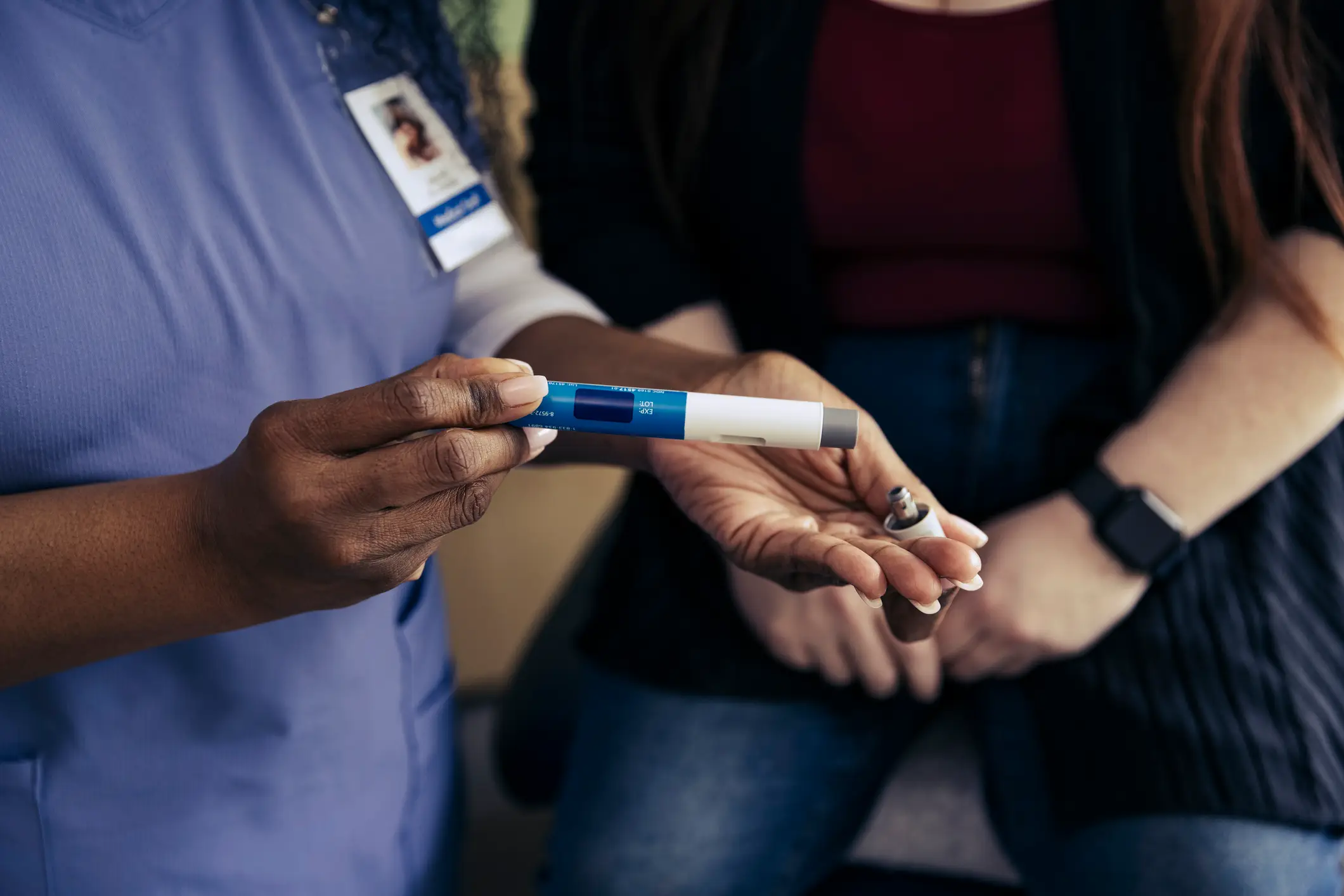
Does this affect those using GPL-1 for intended weight loss?
On whether these affect those intending to use the drug for losing weight - scientists aren't yet sure, as there hasn't been enough research done.
The study states that researchers focused specifically on blood sugar control, and therefore did not reach firm conclusions on this.
This is because for weight loss treatments, the drugs are typically prescribed at a higher dose - and so more research is needed on whether these are affected.
“It’s very common for pharmaceutical companies to collect genetic data on their participants,” Goyn added later on. “For the newer GLP-1 medications, it would be useful to look at whether there are genetic variants, like the variants in PAM, that explain poor responders to their medications.”
Topics: Weight loss, Health
 Kiesha Dosanjh