
What to expect after first dose of GLP-1 injection as Big Bang Theory star Mayim Bialik details 'nightmare' ordeal

Actor Mayim Bialik recently opened up about her ‘GLP-1 nightmare’, detailing side effects she suffered for weeks after just one dose. But is this common?
Bialik, best known for playing Amy Fowler in The Big Bang Theory, started the medication after doctors advised her it may help with her autoimmune disease, as the drugs ‘had shown promise in reducing systemic inflammation’.
However, in an essay published by The Free Press, she said she had to swiftly stop taking the medication, after experience severe side effects including ‘explosive, uncontrollable diarrhea, violent sulfur burps and sneezing attacks every time she tried to eat or drink’. Bialik also experienced severe bloating and flu-like symptoms, and revealed that couldn’t even keep down small sips of water.

Advert
GLP-1 drugs, such as Ozempic and Mounjaro, are intended to be used by people with type two diabetes to help lower their blood sugar levels, although many have adopted them to aid weight loss.
According to a 2025 RAND report, around 12 percent of Americans have used GLP-1s for weight loss, including almost one-fifth of women aged 50 to 64.
Dr Suzanne Wylie, GP and medical adviser for IQdoctor, tells UNILAD: "It is important to stress that while stories such as Mayim Bialik’s understandably attract attention, her experience appears to represent a particularly severe reaction rather than what most people should expect after their first GLP-1 injection."
What can you expect after your first dose of GLP-1?
Dr Suzanne Wylie says that the first dose of GLP-1, such as semaglutide or tirzepatide, is more likely to cause ‘mild to moderate digestive symptoms rather than the extreme reaction described by Bialik’. Treatments are usually started on a low dose to reduce the likelihood of bothersome side effects.
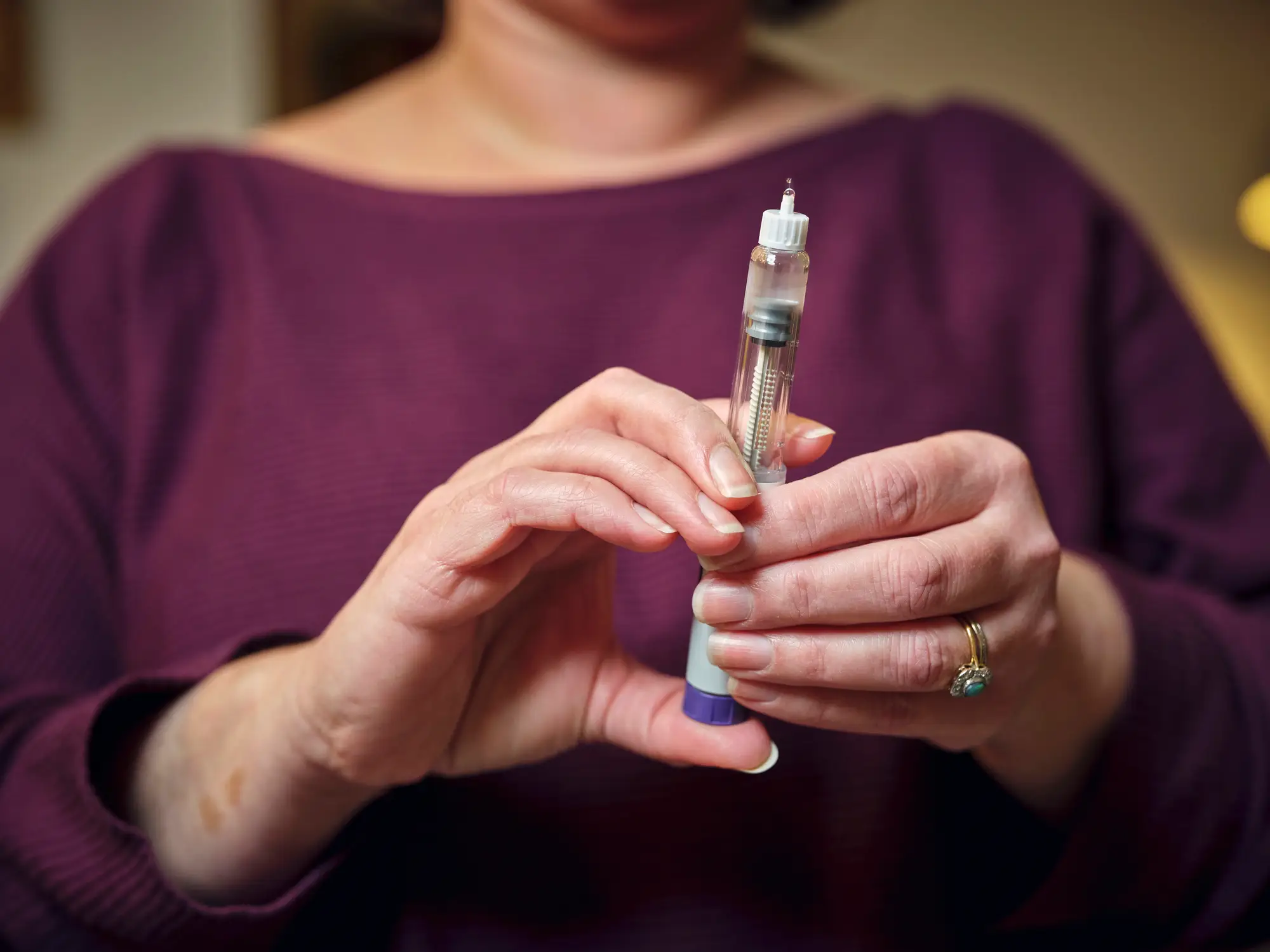
“The most common effects during the first few days are nausea, a feeling of fullness after eating small amounts, reduced appetite, occasional acid reflux, bloating, constipation or diarrhoea,” she states.
Those who experience nausea for the first 24 to 72 hours after the injection shouldn’t stress straight away, as it ‘often improves as the body becomes accustomed to the medication over the following weeks’.
Symptoms such as nausea, mild diarrhoea or constipation settled in patients during clinical practice without the need of medical intervention, as they ate smaller meals, kept hydrated and avoided heavy and greasy food.
Dr Wyle also stresses that many patients ‘notice very little’ after their first injection - although will most likely swiftly notice they’re not as hungry as they were before. Plus, some may also find that fatty or rich foods become harder to tolerate.
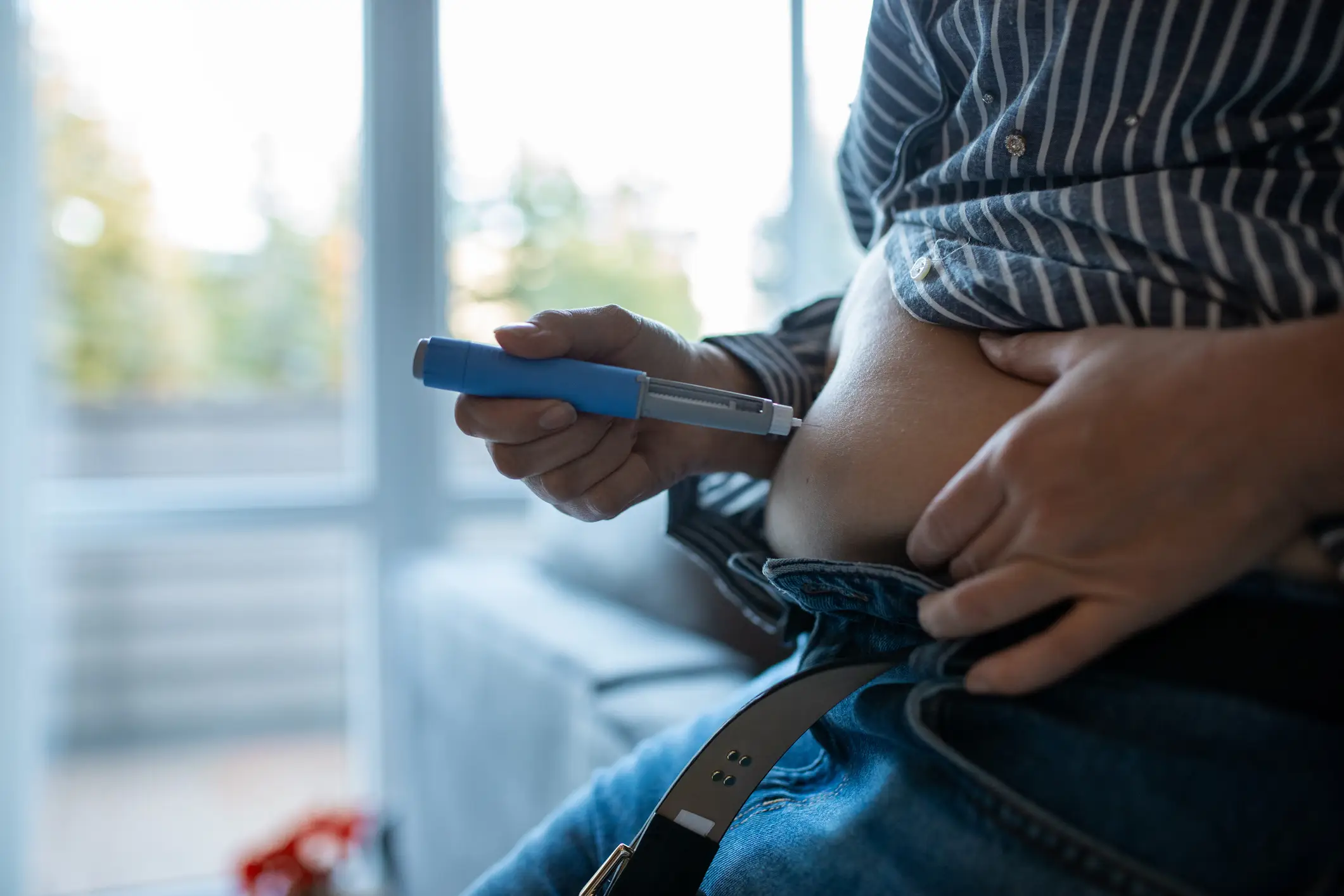
The key message the doctor stresses is that although the first dose can ‘be associated with digestive upset’ most people do not experience the reactions that The Big Big Theory star did.
“For the average patient, the first week is more likely to involve mild nausea, feeling fuller sooner than expected and a noticeable reduction in appetite, with symptoms gradually improving as treatment continues and doses are increased in a controlled manner,” she adds.
According to the doctor, those who do notice symptoms that are severe, persistent, or causing dehydration should seek assistance from a medical professional. These include ‘repeated vomiting, inability to keep fluids down, severe abdominal pain, signs of dehydration such as dizziness or reduced urination, or ongoing diarrhoea lasting several days’.
Topics: Health, Weight loss, Celebrity
 Kiesha Dosanjh