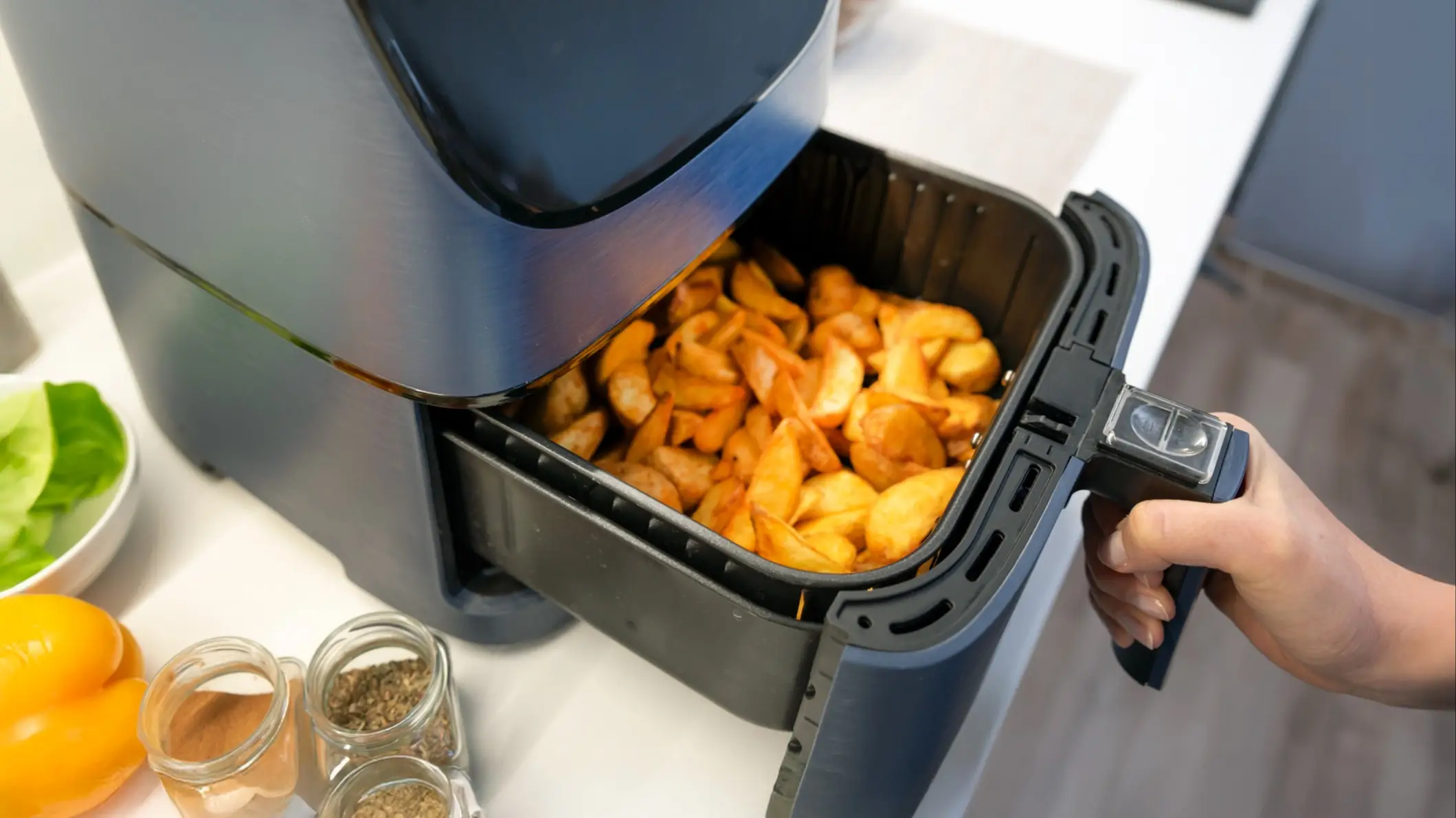
Nutritionist explains why air fryers aren’t always healthier than ovens

If you’ve been raving about adopting healthier eating habits after purchasing an air fryer, there is an expert who wants you to know it’s not always the better option.
Hailed as a revolution in kitchens all over the US, air fryers have been abuzz with compliments from regular folk who just want to eat faster, with less oil.
However, despite what you may have believed, a nutritionist has revealed that it’s not actually a ‘healthier version of an oven’ and that it’s not as healthy as you think.
Previously, there have been warnings about fire risks electronic devices – like air fryers – can pose in kitchens, as well as potential ‘forever chemicals’ that can seep into your food.
Advert
But what about the misconceptions about such devices? Expert Harman Bajwa, a registered nutritionist at Nutrificient, says there are a few reasons.
Best air fryer recommendations
Oh, so you want to know where you can get the best stuff?
There are plenty of air fryers on the market, but only a few can take the top spot and become the best of the best.
Here are our picks:
Ninja Foodi Air Fryer 10 Qt DualZone Smart XL, 6-in-1:
This was $249.99 and is now $179.99
Ninja Air Fryer Pro, 5 Qt, 5-in-1:
Formerly $139.99, and now is a low $89.99
Was $109.99, and is now $46.99
Cuisinart Air Fryer, Dual Basket, 4 Functions, Sync Finish:
This beauty was $139.95, and now it’s $104.95
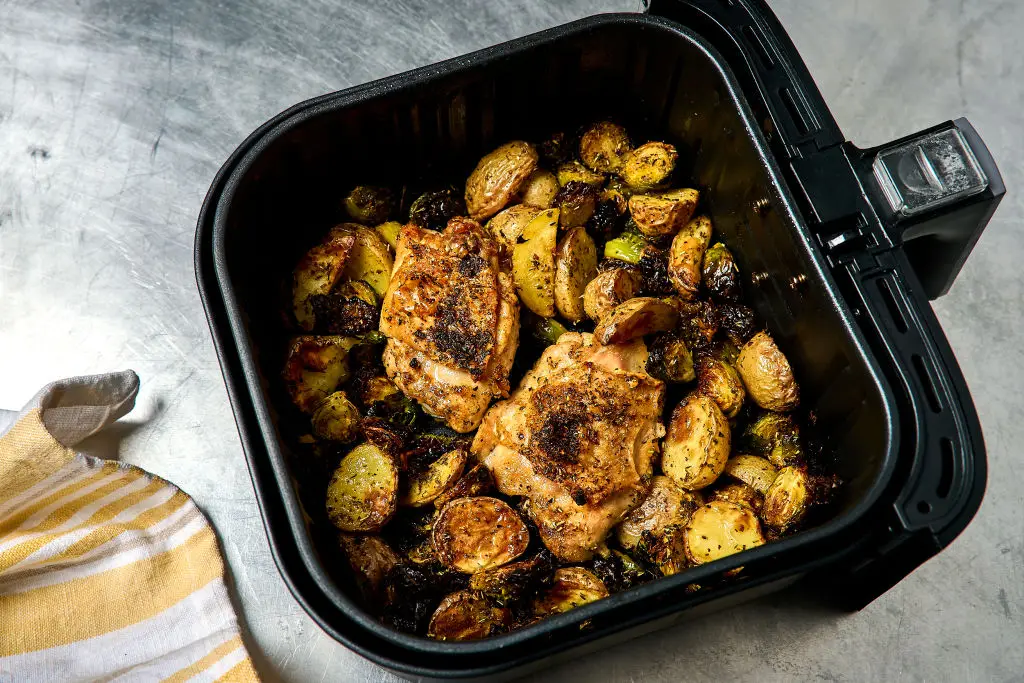
Why aren't air fryers always the healthier option compared with ovens?
According to Bajwa, who spoke to UNILAD, ‘an air fryer isn’t automatically a healthier version of an oven’ despite having a potential health benefit of giving ‘food a crisp texture using much less added oil particularly compared with deep frying.’
However, she says it all 'depends on what you are actually cooking.’
Bajwa said: “For example, putting sausages, processed chicken or heavily salted frozen chips into an air fryer doesn’t suddenly turn them into healthy foods. The air fryer may reduce the amount of additional oil used but it doesn’t remove the salt, saturated fat or calories already in the food.”
She added that the ‘biggest misconception is that the appliance itself makes a food healthy’.
“It doesn’t,” she said. “The food you put in it still matters.”
What are the most common misconceptions people have about the health benefits of air frying?
Bajwa says that it’s not just what and how you eat, it’s the portion size that causes its own set of issues for people’s health.
She said: “One of the biggest misconceptions is that air frying is the same thing as ‘healthy frying’. It is really a form of very rapid hot air cooking, closer to convection cooking than traditional deep frying.”
She added: “People also sometimes assume that because they don’t need much oil, they can eat unlimited amounts of whatever they cook in the air fryer. But calories still count, and portion size and the nutritional quality of the food still matter.”
According to animal studies, acrylamide (in burned food) in high doses may lead to cancer, which air fryers apparently cut down the chances of the compound forming during the cooking process, by 90 per cent, notes another study.
While this is great news to people who want to being mindful of what goes into their bodies, Bajwa said that ‘another misconception is that air frying automatically means fewer harmful compounds are produced.’
She said it ‘isn’t necessarily the case.’
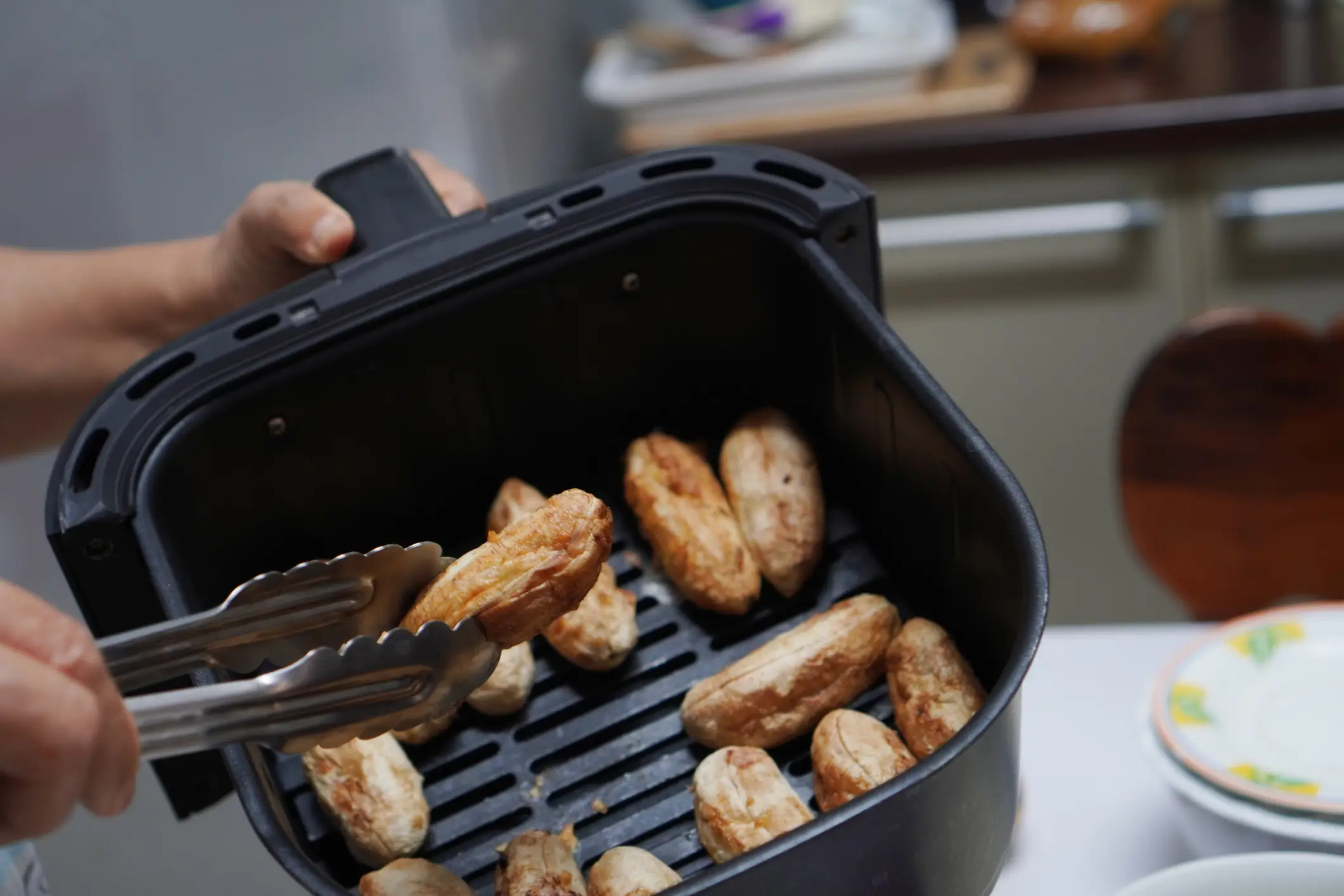
The expert explained: “Acrylamide can form when starchy foods such as potatoes and bread are cooked at high temperatures, whether they are baked, roasted or fried. The FSA recommends aiming for a golden yellow color rather than cooking these foods until they are very dark.”
In which situations, or with which foods, might cooking in an oven be the healthier choice?
This might shock you, but there are apparently times where an oven may be best, although, she says she 'wouldn’t say there is one cooking method that is always healthier’ as ‘it really depends on the food and how you prepare it.’
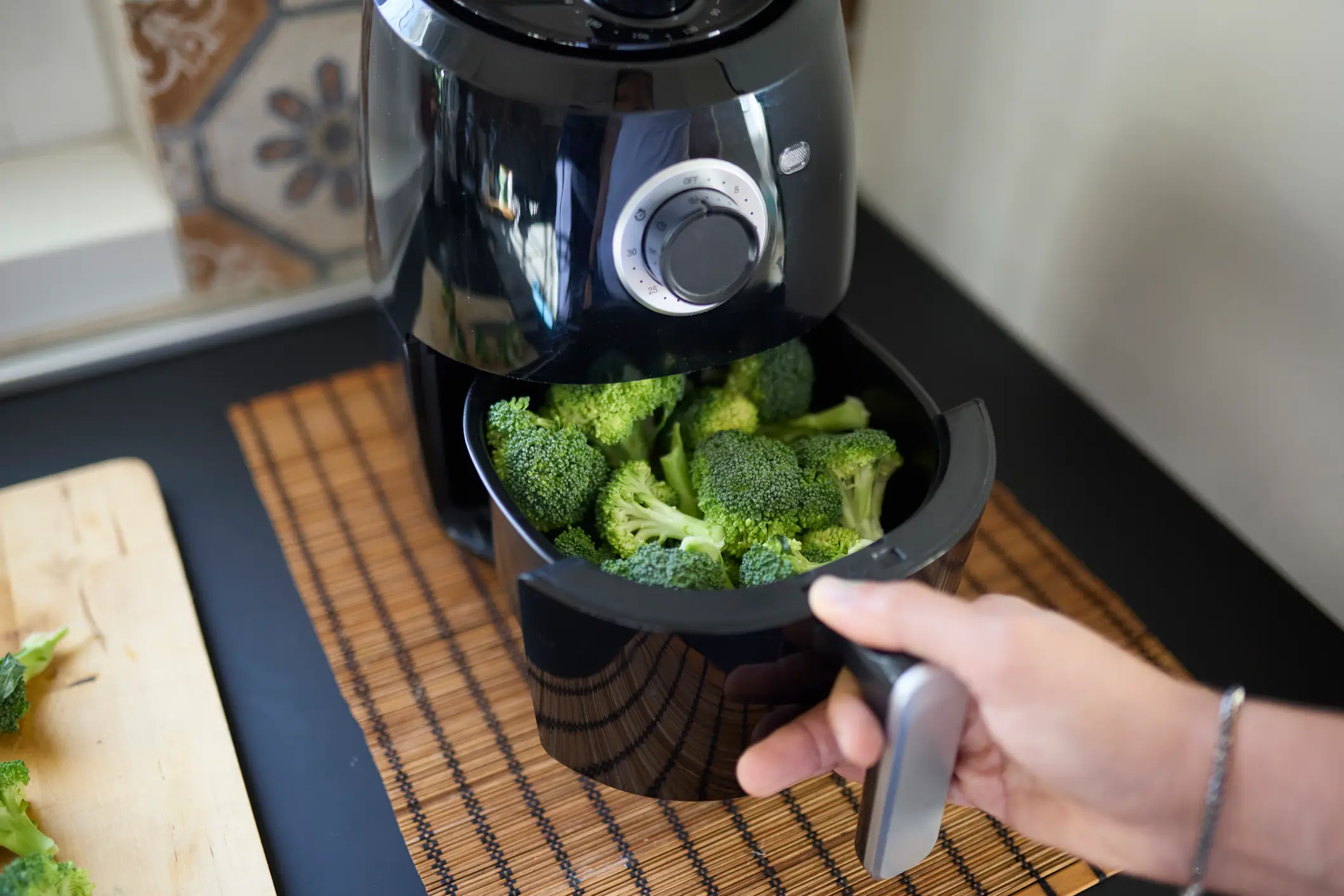
She explained: “For foods that don’t need much added fat in the first place, such as vegetables, fish or chicken, the nutritional difference between an air fryer and an oven may be quite small. In those cases, I’d choose the method that helps you cook the food well and makes it easier to include it regularly.”
Then, for ‘larger quantities of food’, the expert notes that ‘a conventional oven can also make more sense’, adding: “You can cook a whole tray of vegetables, a family-sized meal or several portions at once, rather than cooking in batches in a small air fryer.”
She said: “There is also some emerging research looking at how different cooking appliances affect compounds such as acrylamide. We shouldn’t conclude from this that air fryers are unsafe, but it does show that the idea of ‘air fried equals healthier’ is too simplistic.”
What tips would you give people who want to use their air fryer in the healthiest way possible?
According to Bajwa, an air fryer shouldn’t be relied on for health as she suggested people simply ‘use the air fryer as a tool, rather than thinking of it as a health food machine’.
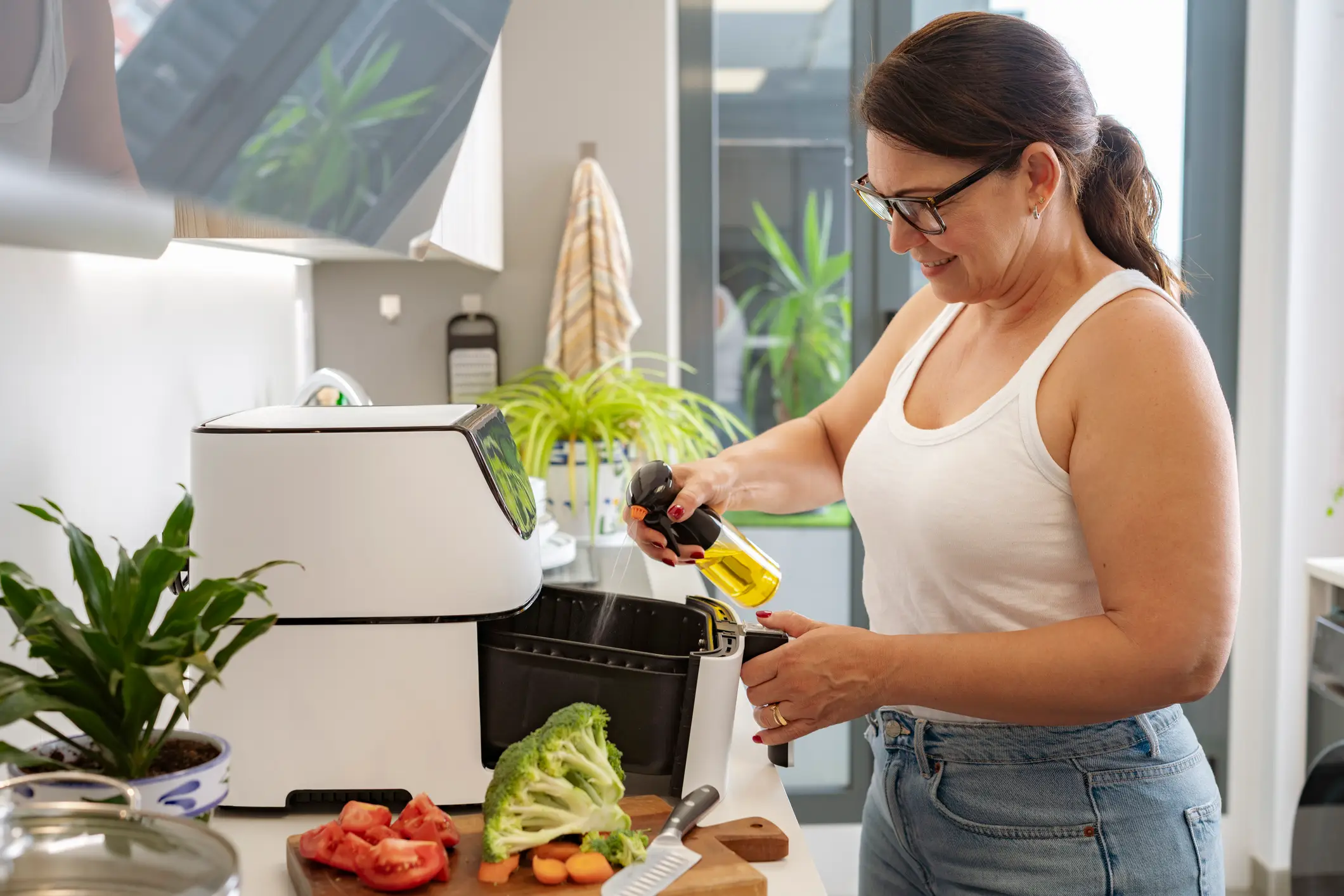
She said: “One of the easiest ways to make good use of it is to cook more foods from scratch, such as vegetables, potatoes, fish, chicken or homemade versions of foods you would otherwise deep fry.”
Citing the need for only a little oil, she suggests using ‘a small amount rather than assuming you need to coat everything.’
“For potatoes and other starchy foods, follow the FSA’s advice and aim for a golden yellow colour rather than very dark brown,” she urged, noting: “Higher temperatures and longer cooking times can increase acrylamide formation.”
Ultimately, she said not to think of it as a machine to increase your health.
Topics: Air Fryers, Health, Food and Drink
 Britt Jones