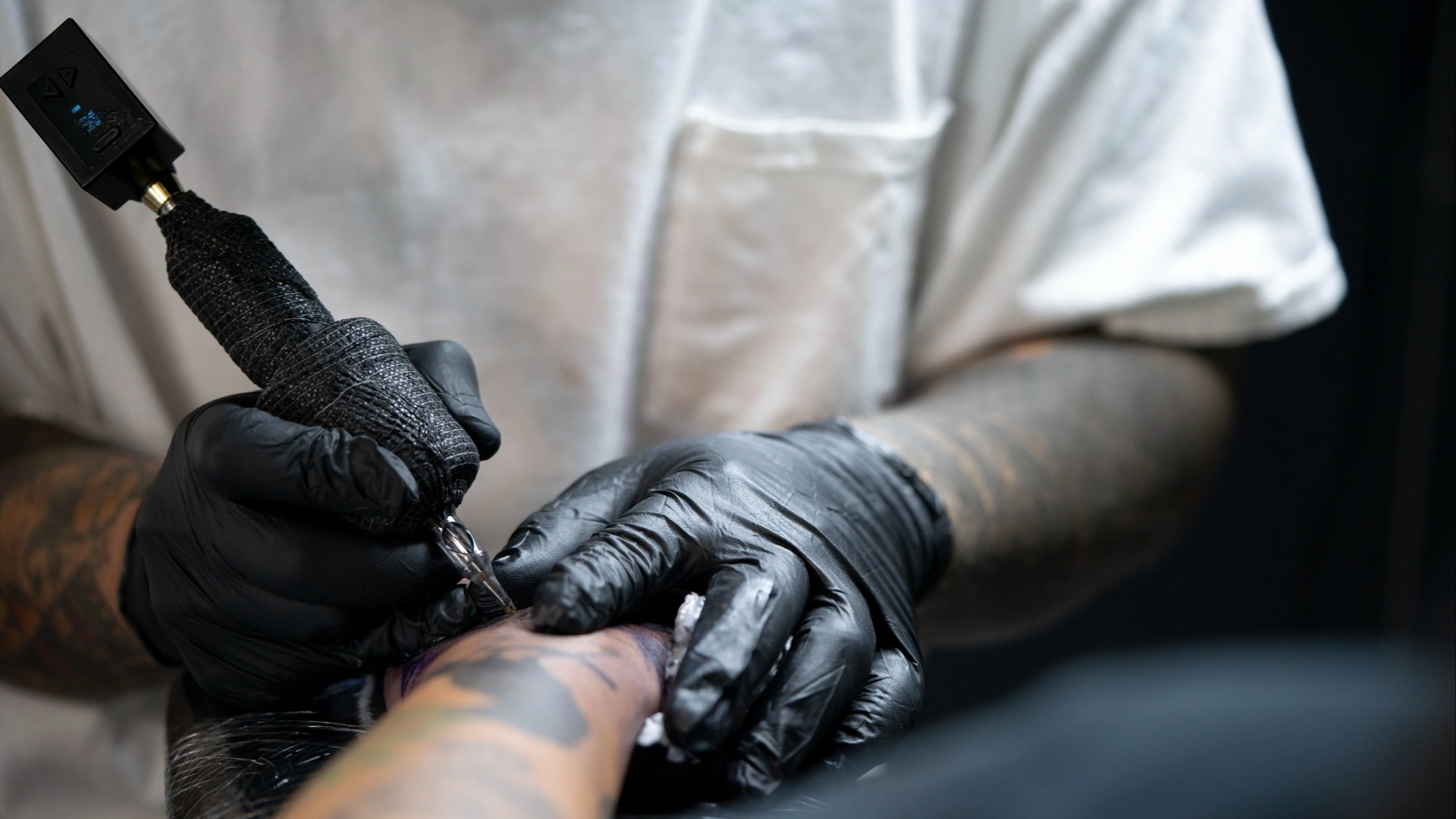
The grim reality of what happens to your tattoos after you die

Tattoos can carry deeply personal meanings, but what happens to that artwork when someone dies is not something most people give much thought to.
During an autopsy, some tattoos can be cut through as technicians access the body's internal organs, meaning a design that took hours to complete may not remain intact after death.
Gerald Ledford, an autopsy technician based in Little Rock, Arkansas, has explained what happens during the process in a TikTok video, admitting he sometimes feels bad when his work affects someone's body art.
Ledford said tattoos generally do not cause complications during an autopsy, but their location can mean they are affected by the necessary incisions.
Advert

Why are tattoos sometimes cut during an autopsy?
Autopsies typically involve a Y-shaped incision across the chest and abdomen, allowing technicians to access and remove organs for examination.
Ledford explained that when a tattoo sits across the area where the incision needs to be made, cutting through it can be unavoidable.
He said: "I mean, kind of hate it, or I guess I feel bad when I have to cut through a tattoo on your chest to do my Y incision. I have to do the Y incision to get all the pieces out. So sorry I ruined your artwork."
The body is subsequently stitched back together by an embalmer, although the original tattoo may not line up perfectly once the procedure is complete.
"The embalmer will sew you back up. Most of the time, they get pretty close to where they line up or don't line up. It's underneath your clothes in the casket, so nobody's gonna see it. So I cut right through them," Ledford explained.
Despite this aspect of his work, he said he remains curious about the stories behind the designs he encounters.
"I like to look at the tattoos and try to figure out what it is and why you got it," he said.
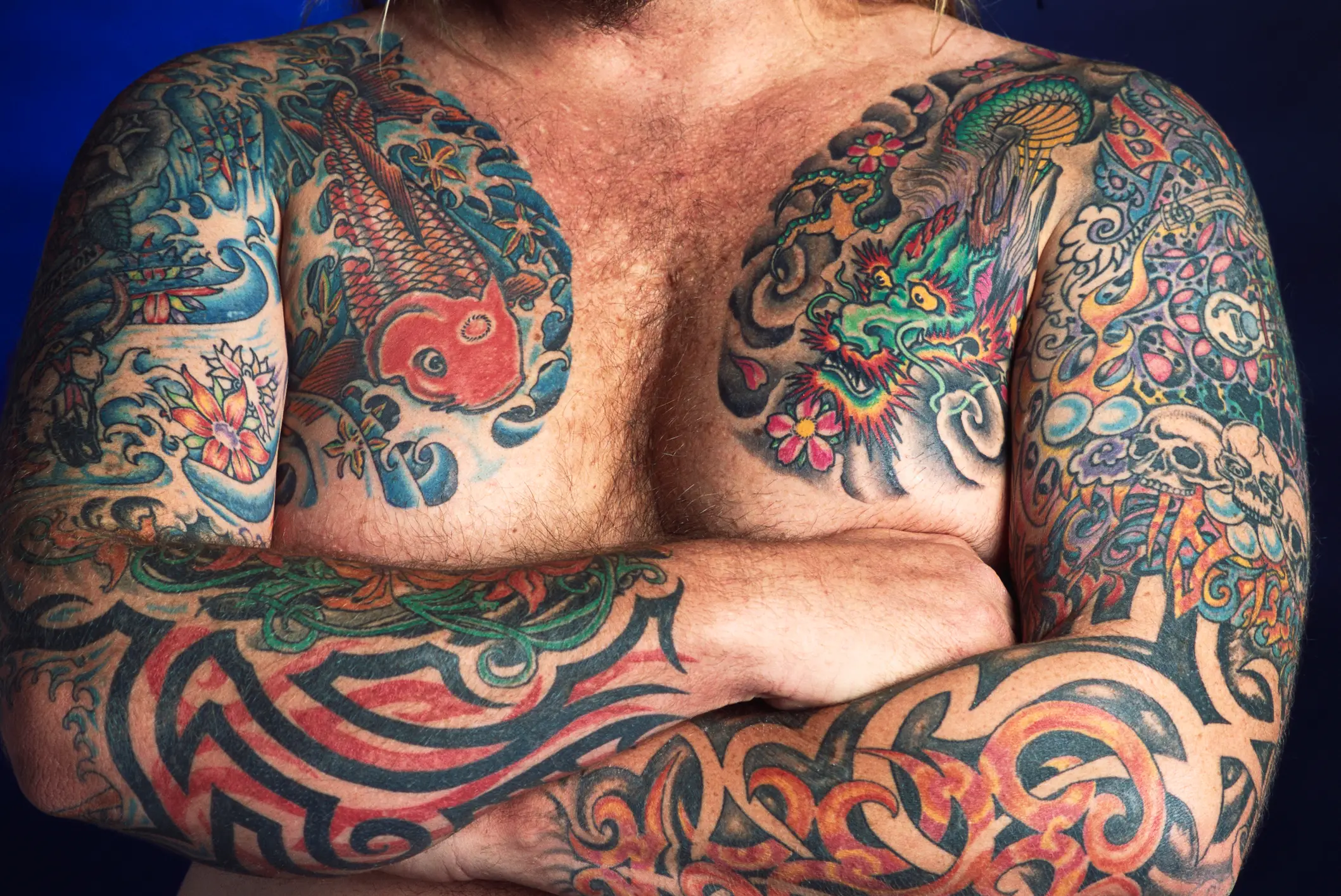
What happens to tattoos as the body decomposes?
The changes do not stop with the autopsy itself. Tattoos can also become less visible as the body undergoes decomposition.
In the early stages after death, tattoos may appear more pronounced because the skin loses its usual color as circulation stops. Blood can also collect in the lower parts of the body under gravity, creating purple or reddish discoloration without immediately changing the ink itself.
As decomposition progresses, the skin's outer layer can blister, detach and peel away. Further tissue breakdown can cause significant discoloration, potentially obscuring tattoos that were once clearly visible.
The technician's account prompted reactions from viewers, including one person who joked about protecting a loved one's tattoo during an examination.
"In the nicest possible way, my pathologist better go around my son's feet, or I'll be coming to haunt them," the commenter wrote.
Another viewer praised Ledford for explaining the process, while a third added: "Thanks, be gentle with my tatts."
Topics: Science
 Thomas Bamford