
This what happens to your body in the minutes after you drink soda, according to doctor

Drinking a can of soda can set off a rapid chain of negative effects to your body, according to a health expert.
Dr Donald Grant, a GP and Senior Clinical Advisor at The Independent Pharmacy, explained what happens after drinking a can of sugary soda, including why you might feel tired or foggy before you've even got to the end of it.
While an occasion soda isn't something to worry about, regularly drinking sugar-sweetened beverages can contribute to several long-term health concerns, according to Dr. Grant and guidance from the Centers for Disease Control and Prevention (CDC).
The first major change happens when the sugar reaches your bloodstream.
Advert
"Within minutes of drinking a sugary soda, the sugar is absorbed rapidly into the bloodstream because it's already in liquid form and needs very little digestion," Dr. Grant said.
That rapid absorption causes blood sugar levels to spike, prompting the pancreas to release insulin to bring them back to down.
Sugar isn't the only thing that your body has to process.
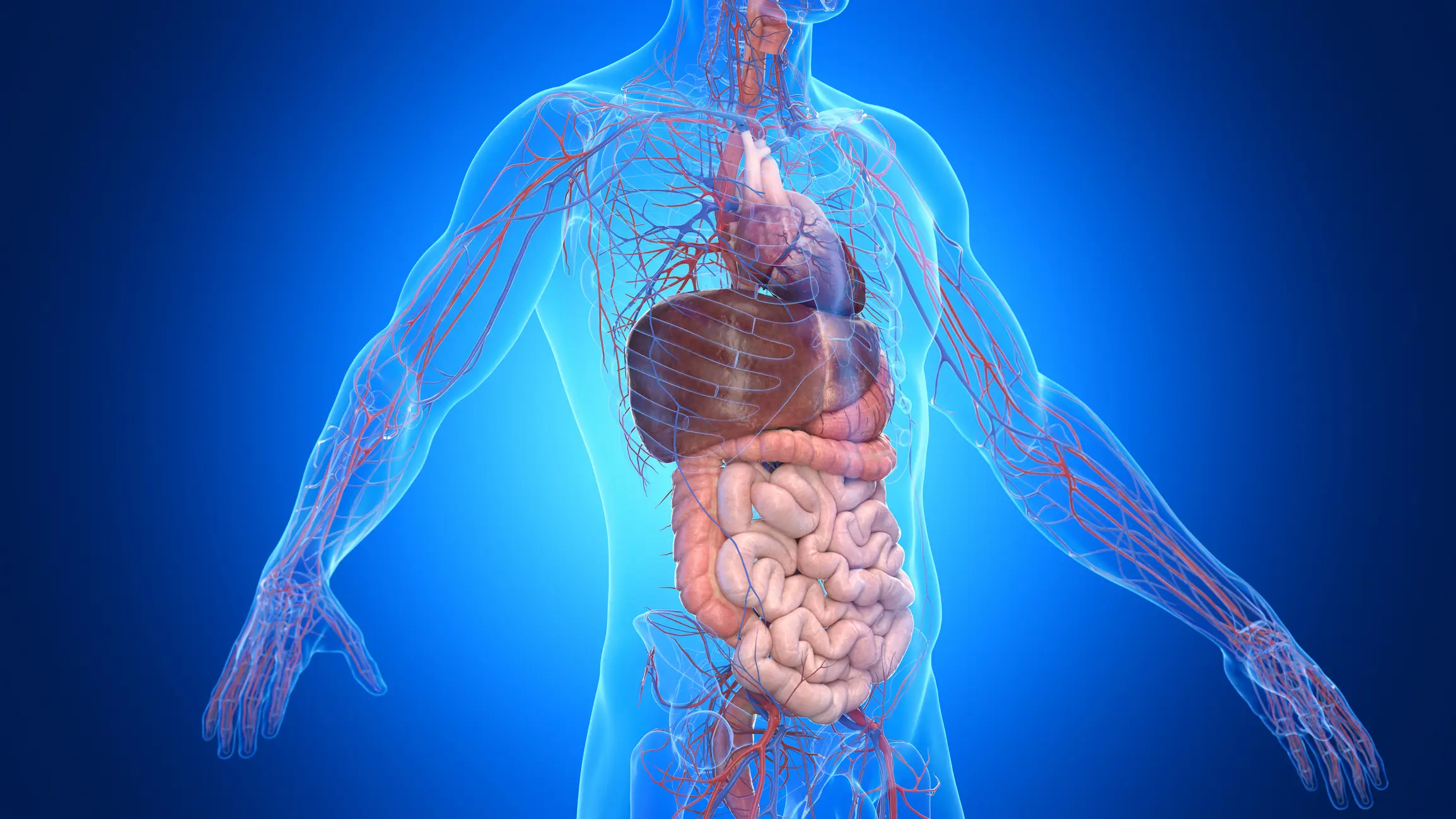
The carbonation in a fizzy drink releases carbon dioxide gas in the stomach.
According to Dr. Grant, this can result in bloating, burping or discomfort.
People who are prone to acid reflux, may also find their symptoms get worse.
The effects can then shift again as insulin continues working to clear sugar from the bloodstream.
"Not long afterwards, you often get the flip side of the sugar spike," Dr. Grant explained. He said energy levels can dip, leaving some people feeling 'tired, foggy or a bit irritable'.
That drop may help explain why someone might want another soda soon after finishing the first.
Dr. Grant described the energy dip as part of what can make fizzy drinks easy to fall into a habit with.
Is drinking soda every day bad for you?

The CDC advises limiting or avoiding regular soda and other sugar-sweentened beverages because of their high sugar and calorie content.
A typical 12-ounce can contains around 10 teaspoons of sugar and roughly 150 calories that provide little nutritional value.
Regular consumption is associated with weight gain, while frequent intake of sugar-sweetened beverages has also been linked to type 2 diabetes, heart disease, non-alcoholic liver disease and gout.
There are potential consequences for your teeth, too. The combination of sugar and acid can contribute to tooth decay and enamel erosion.
Dr. Grant stressed that this doesn't mean having an occasional soda is something to panic about.
"None of this means an occasional soda is something to worry about," he said, while warning that regular consumption can contribute to weight gain, tooth decay, enamel erosion and a higher long-term risk of type 2 diabetes.
For people looking to cut back, the CDC suggests choosing plain, tap, sparkling or bottled water instead.
Water can also be flavoured naturally with cucumber, berries, lemon or lime, while plain sparkling water mixed with a splash of 100% fruit juice can offer a fizzy alternative.
Dr. Grant similarly suggested sparkling water, diluted juice or sugar-free alternatives as ways to reduce sugar intake, while noting that waqtr remains the best every day option.
Topics: Health, Food and Drink, Science
 Thomas Bamford