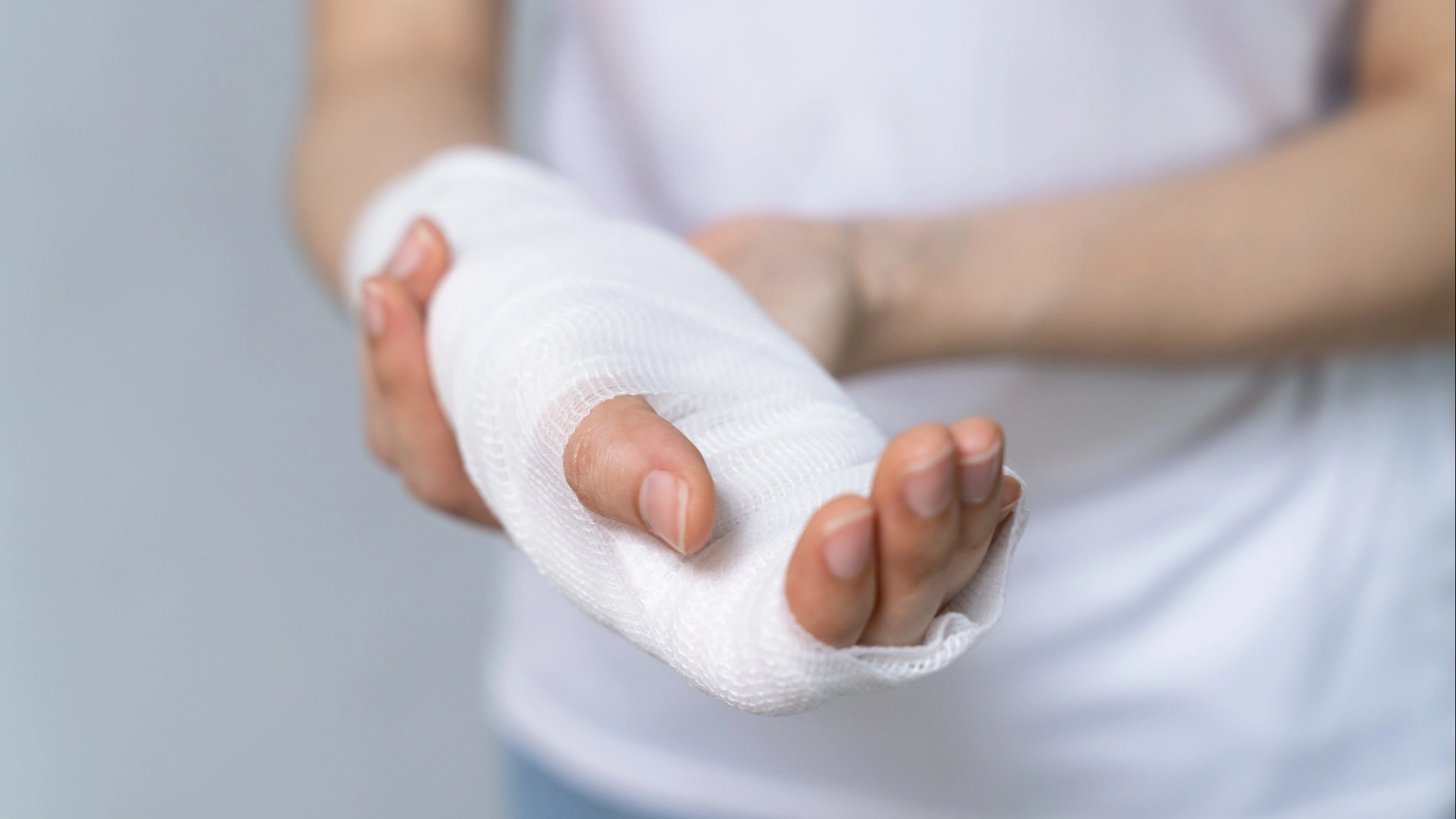
This is what actually happens to your body when you break a bone

You know when you’re skateboarding, or running for a bus, or just stepping off a curb with a bit too much confidence, and suddenly you’re on the ground and in an unbelievable state of pain?
The aching feeling of a broken bone is quite common, with doctors estimating that around 40-50% of people will break at least one bone in their lifetime, including wrist fractures, a broken finger, or a broken arm.
But what happens after a broken bone is perhaps one of the most remarkable things the body can do. Hidden beneath the plaster casts is one of the body’s most impressive achievements: the ability to rebuild solid bone, often leaving it almost as good as new.
There are lots of different types of bone fractures. Most of them are caused by falls, car accidents, and sports injuries, Cleveland Clinic reports. Those who have suffered a bone fracture will need to wear a splint, cast or brace to hold the broken bone stable while it heals. Some fractures will need surgery.
Advert

A doctor might tell you have a break in a straight line, a fracture with an uneven break line. There are also stress fractures, bucks fractures, compression fractures, and more.
When you break a bone, the fracture causes blood vessels inside the bone to rupture leading to internal bleeding and inflammation, a TED-Ed video on bones explains. This gives the body a signal to start the first step of the healing process.
In the next week, the injury site is ‘flooded’ with immune cells to remove damaged tissue and prepare the site for repair. These cells also signal molecules for stem cells to go to the injury site. The stem cells then differentiate into chondrocytes, using the clotted blood at the injury site as a foundation to build callus made of cartilage, which is much weaker than bone. However, it’s a good temporary fix because it grows quickly.
Some of the chondrocytes and stem cells develop into osteoblasts, cells that build bone. They can build a much stronger bony callus. Following this, the next stage develops—remodeling.
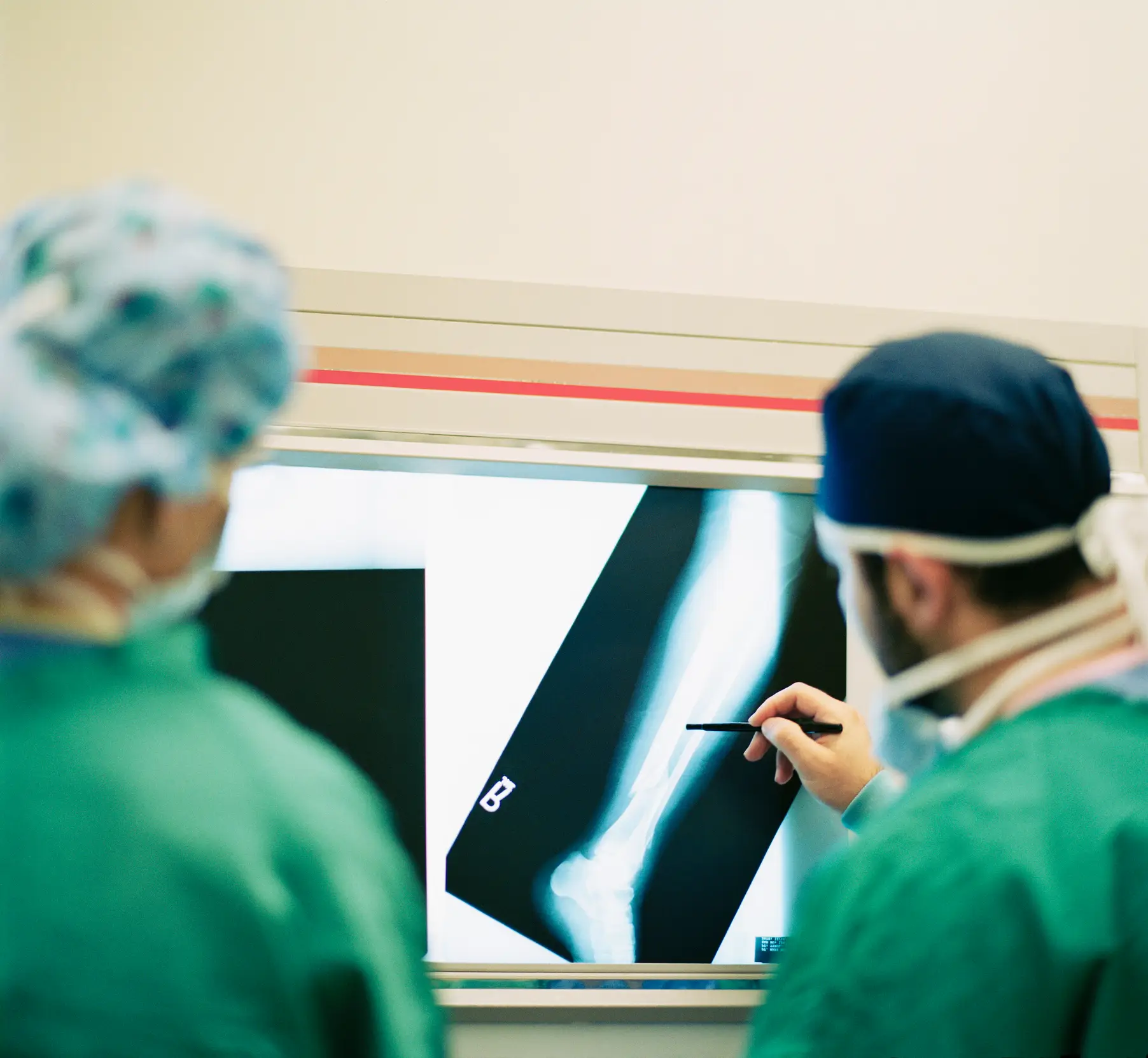
The bony callus is removed over the next few months by another type of cell. Meanwhile, osteoblasts build new bone tissue. It’s at this point where the injury site is restored to its old shape.
However, evidence of an old bone break can sometimes be seen on imaging, even years or decades after the injury. While bones remodel and heal, regaining full function and their old shape, the fracture may leave behind structural changes, the body may leave behind callus formations around the site—hardened, denser lump on the bone.
And if the bone did not heal in perfect alignment with the help of a cast, splint, or surgery, deformity or alignment issues may be visible.
There may also be a residual bump or mark left behind by bone remodeling.
If a bone heals while misaligned, a surgeon may have to break the bone again, realign it, and then use pins, plates, or screws to hold the bone together.
The timeline of healing varies depending on factors like the patient’s diet, how messy the break is, and how much rest they’re getting. So, when your doctor tells you rest after an injury, it’s very important to follow their orders.
If you think you have a broken bone, always seek professional medical help ASAP.
 Greg Harris