
What actually happens to your body after drinking wine as Stephen Bartlett claims it 'ruined his life'

If you enjoy your vino, you might feel differently after learning just what wine does after ingesting it, as A Diary of A CEO’s Stephen Bartlett describes how it troubled his life.
Whether you’re a white, rose, or red wine drinker, they all typically affect you in the same way...but our individual markers matter when we talk about this argument.
Around the world there are cultures that regularly indulge in the fermented grape juice.
Portugal, Spain, South Africa, Australia, France, the UK, and obviously the US, are just some of the areas that are known to like good wine.
Advert
But at what cost?
Recently, Bartlett revealed that just a ‘couple’ of glasses of wine ‘ruined’ his life for three days.
To this, the answer comes down to the compounds found in wine.

What does wine do to your body?
According to Dr Tina Ghela MBBS, MRCGP, BSc, from Medichecks, things like sex, genetics and ingredients all play a role.
She told UNILAD: "Drinking and drinking culture have long been topics of discussion among medical professionals and across different cultures, with many Mediterranean countries traditionally viewing a glass of wine with a meal as part of a healthy lifestyle.” However, the expert said that 'wine does have an impact on both the mind and body, and how it affects us can vary considerably between individuals.’
She revealed that factors such as ‘body size, sex, genetics, medications, underlying health conditions and individual sensitivity can all influence how we respond to alcohol’.
However, she noted that wine does come with immediate impacts, explaining: “On consumption, wine will immediately be absorbed into the bloodstream, which enhances the activity of the GABA (gamma-aminobutyric acid) system, which is the brain's main inhibitory chemical messenger.
“This slows down brain activity and produces a calming and relaxing effect. It can also affect reaction times, coordination and judgement. In some people, alcohol may cause a slight increase in heart rate. While your liver will process alcohol, it does also produce a toxic byproduct that can damage liver cells with repeated or excessive drinking, which will outpace any re-healing from the liver.”

What happens in the following days?
From there, some people can feel the impact for days following its consumption.
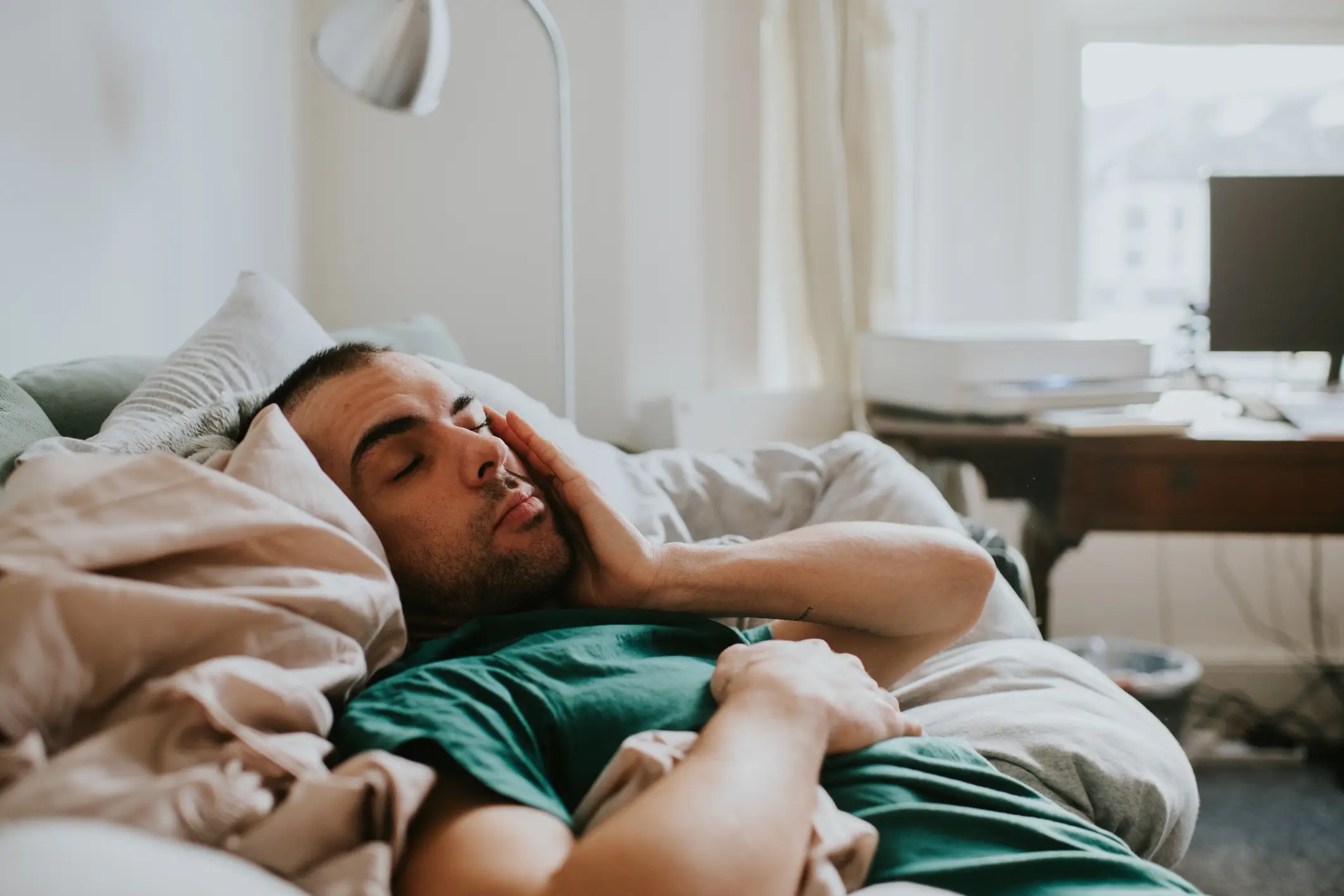
For example, ‘alcohol can also reduce the quality of your sleep, with REM cycles being interrupted leaving you feeling less refreshed when you wake.’
On top of that, it can impact our brain and its chemicals, which have a knock-on effect on mental health, as well as triggering an ‘inflammatory response in the body, which can also contribute to that general feeling of being unwell.’
She went on to explain that alcohol can also have some physical health effects, like ‘mild dehydration whilst irritation of the stomach linking increases acid production causing nausea and discomfort.’
However, she notes that it ultimately comes down to individual factors.
That did Stephen Bartlett say?
For Bartlett, he found that his sleep wasn’t great for days afterwards, and more, stating on an episode of his podcast: “I had a couple of glasses of wine, didn’t get drunk, it ruined three days of my life because of the domino effect that it caused.”
He added: “It meant that I got worse sleep that night, I ate more poorly the next day because my dopamine system or the cortisol system or whatever was all messed up. Then I podcasted worse and I didn’t go to the gym the day after and I could track all of this on my Whoop, hashtag ad, hashtag sponsor, investor… whatever.”
What is the optimization trend?
Since Bartlett came out about the impact of alcohol on his health, others have also responded...with one fellow celebrity claiming this is just ‘optimization’ gone too far.
Optimization is a trend which promotes the use of data, science and technology to ‘optimize’ your health.
To this, and Bartlett, BBC Radio 1 host Greg James hit back, saying he’s starting an anti-optimization culture.
He said on Instagram: “So I’ve sort of been railing against this for years. Not the alcohol thing, fair enough if you want to give up alcohol, it can ruin lives, got that – that’s not what my issue is. My issue is this endless optimisation and measuring of everything to the point where it starts to make you feel a bit miserable if you don’t quite hit your own targets.”
According to Dr Ghela, 'self-optimisation culture' should come with a balance.
She said: “While the temporary effects of wine on our overall mental and physical wellbeing are something to be aware of, there is a wider concern that wearable tech is making us become overly focused on bodily metrics in a way that may itself become unhelpful. If you are worried about your overall wellbeing it is important that you seek advice from a medical professional."
 Britt Jones