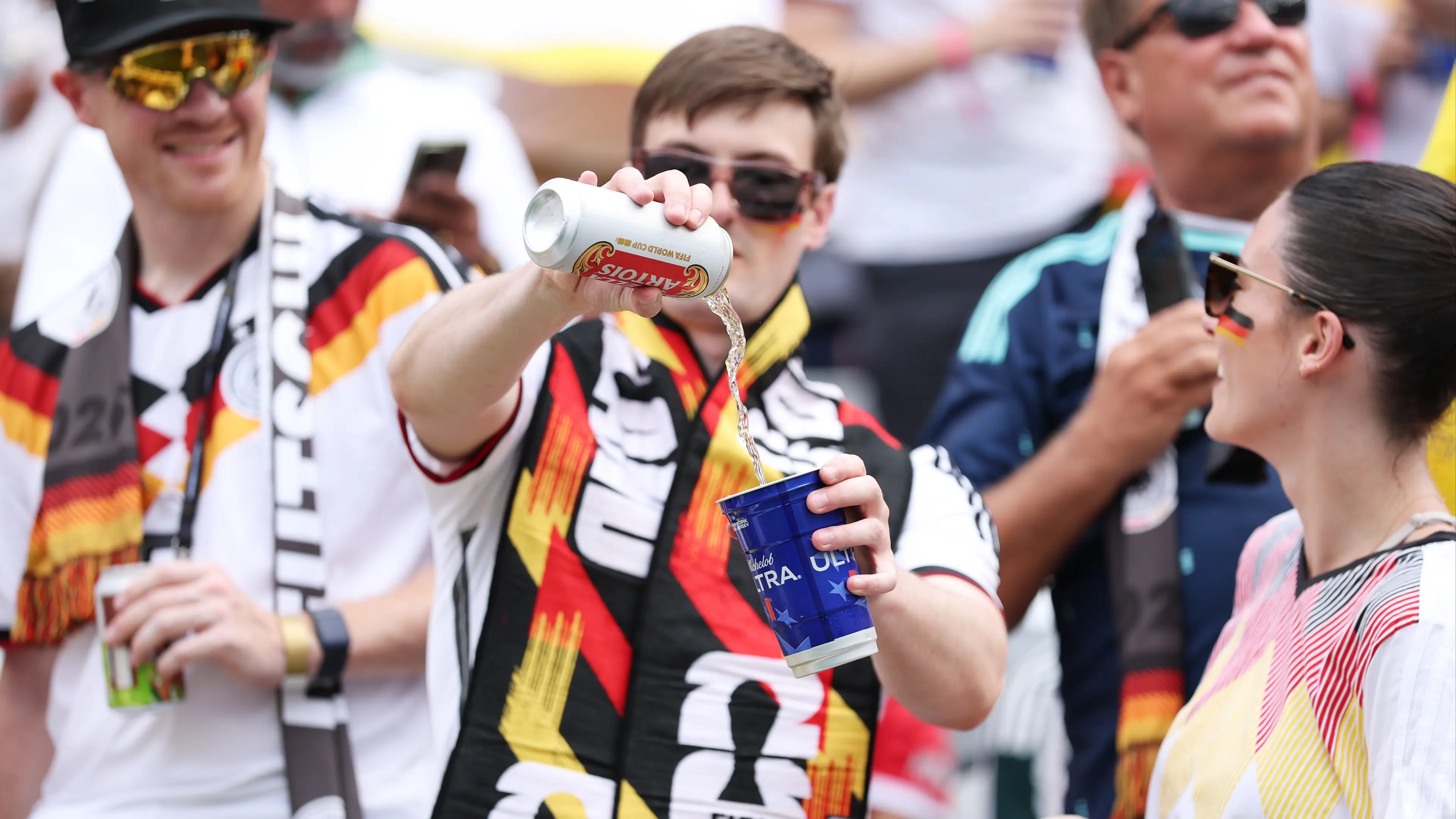
Signs you've drunk too much alcohol as World Cup fans issued serious warning

With the 2026 World Cup in full swing and fans across America settling in for late-night games, health and road safety experts are urging supporters to know their limits, and to recognise when things have gone seriously wrong.
Drinking too much, too fast impairs motor coordination, decision-making and impulse control.
Keep going past that point and you're looking at an alcohol overdose, also known as alcohol poisoning, which can turn deadly fast.
An alcohol overdose happens when so much alcohol floods the bloodstream that the areas of the brain responsible for keeping you alive, controlling breathing, heart rate and body temperature, start to shut down.
Advert

So what are the signs someone has drunk too much?
Health experts from National Institute on Alcohol Abuse and addiction say the key warning signs of an alcohol overdose include mental confusion or stupor, difficulty staying conscious or being impossible to wake up, vomiting, seizures, slow breathing, fewer than eight breaths per minute, gaps of ten seconds or more between breaths, a slow heart rate, clammy skin, no gag reflex and an extremely low body temperature or bluish skin colour.
If someone around you is showing these symptoms, call 911 immediately. Don't wait for every box to be ticked, a person who has passed out can die. And don't try to manage it yourself.
Cold showers, coffee and walking it off don't reverse an overdose. They can actually make things worse.
One particularly serious risk: alcohol contributed to more than 4.2 million emergency department visits in the US in 2022 alone.
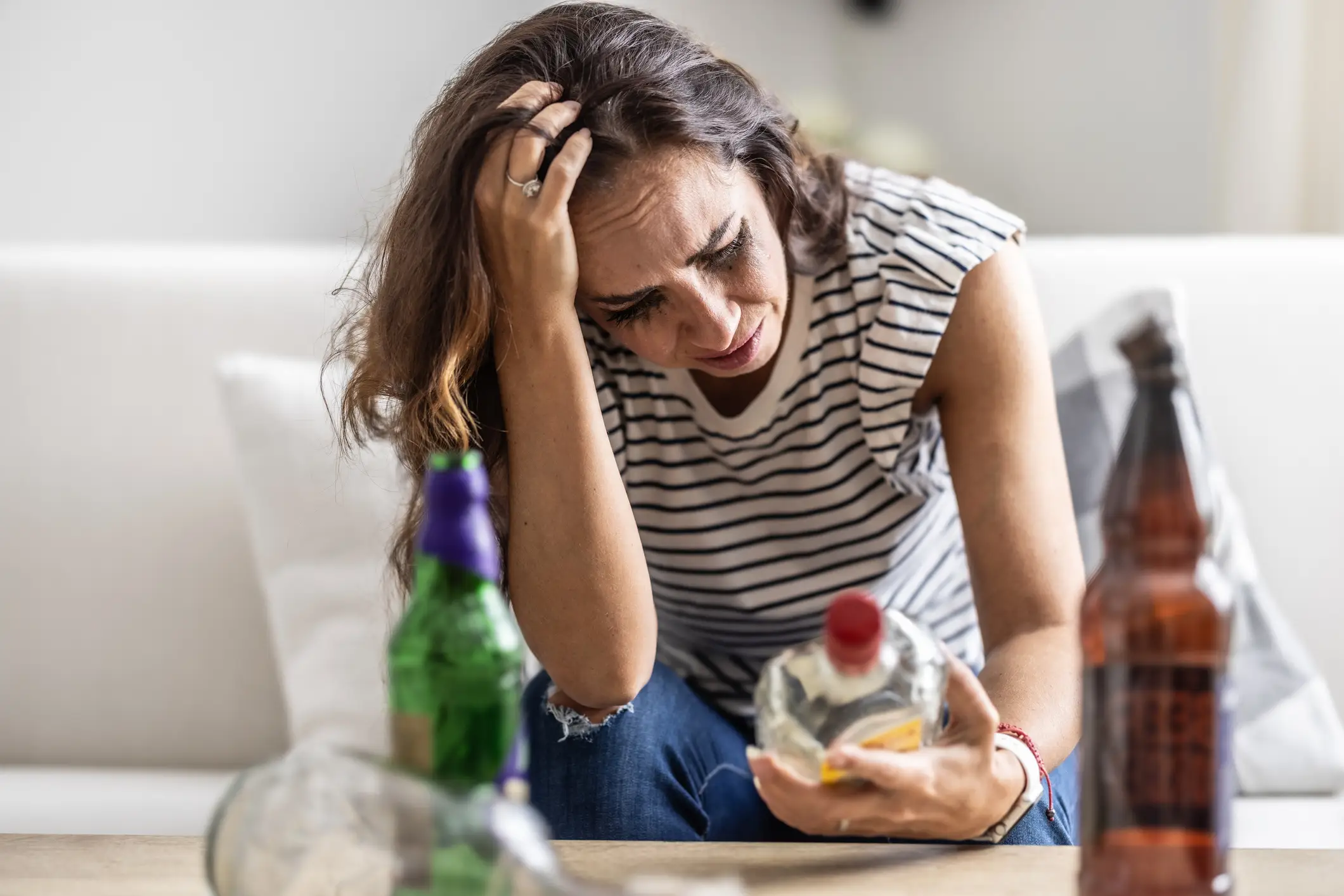
Anyone who drinks too much too quickly can be in danger, but younger people are particularly vulnerable.
Binge drinking, defined as reaching a blood alcohol concentration of 0.08% or higher, typically through five or more drinks for men or four or more for women in around two hours, overwhelms the body's ability to process alcohol and sends BAC skyrocketing.
Age, food intake, drinking pace and any medications you're taking all affect how your body handles alcohol.
Mixing it with opioids or sedatives is especially dangerous, as both suppress the brain functions that keep you breathing.
One thing that catches people off guard: BAC can keep rising even after someone stops drinking or loses consciousness, because alcohol already sitting in the stomach and intestine keeps entering the bloodstream. Never assume someone who's passed out will be fine by the morning.
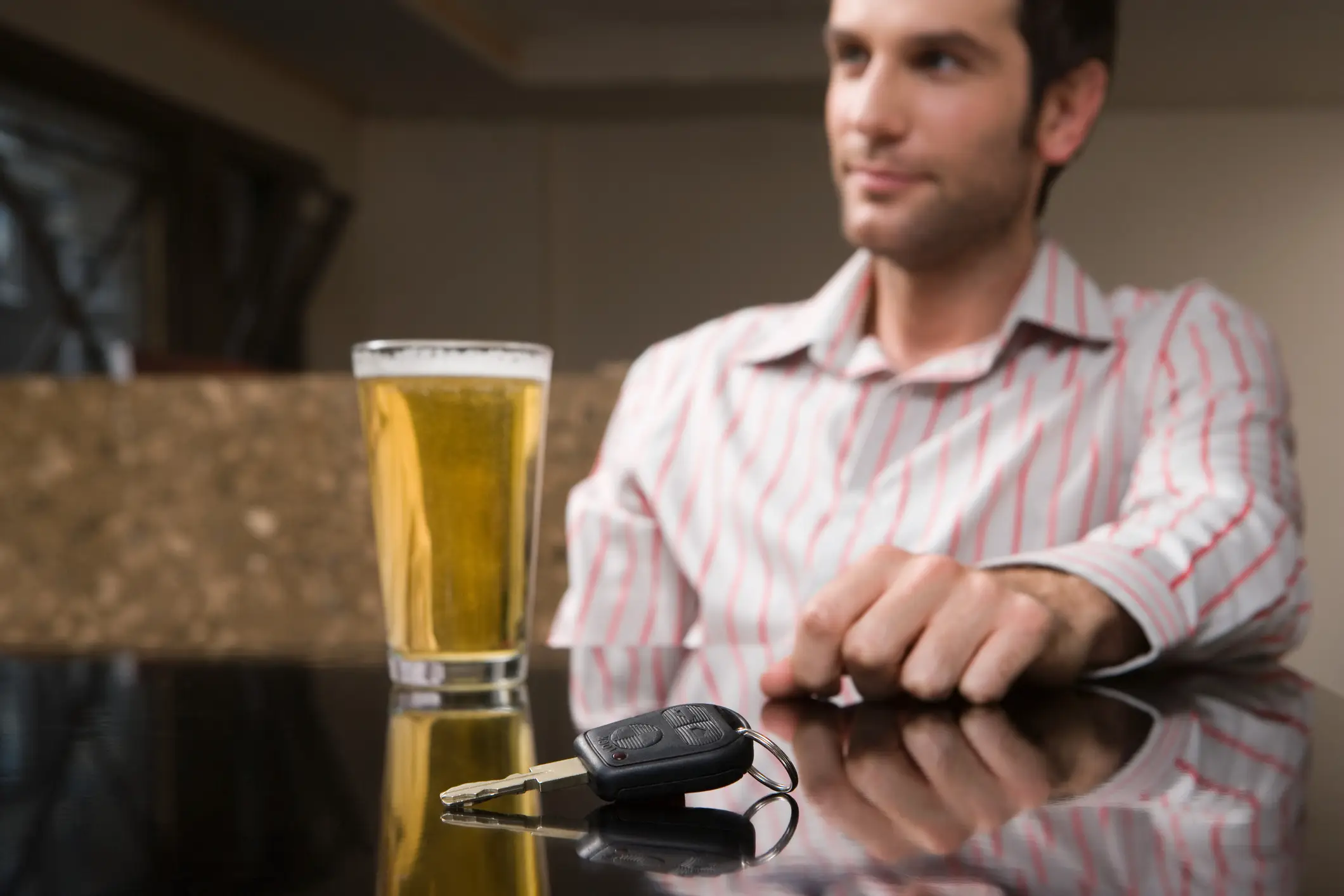
Is it dangerous to drive the morning after drinking?
It's not just about the night of. The National Highway Traffic Safety Administration are specifically warning World Cup fans about getting behind the wheel the next day, and the numbers back up why that matters.
In 2024, 11,904 people died in alcohol-impaired driving crashes in the United States, that's around 32 people every single day, or one person every 44 minutes. And drivers with a BAC of 0.08 are approximately four times more likely to crash than those with no alcohol in their system.
The legal limit across almost every US state is 0.08% BAC, but there's no reliable way to self-assess whether you're under it. Alcohol can linger in your system for far longer than most people realise, and a solid night's sleep is no guarantee you're clean.
Each day, an estimated 300,000 people drive drunk in the US, but only around 3,200 get arrested. Most think they're fine. Most are wrong.
Experts say the smartest move is to sort your plan before the first drink goes down. Line up a rideshare, designate a sober driver, or just plan to stay put overnight. If you've had a heavy night, assume you may not be safe to drive well into the following day. Not feeling hungover doesn't mean you're sober enough to get on the road.
And if someone near you is showing signs of an alcohol overdose, call 911, keep them on their side to prevent choking, and stay with them until help arrives.
Topics: Health, Food and Drink
 Thomas Bamford