
Nurse reveals these six signs could mean you're eating too much protein

A nurse has warned of some of the signs that you have too much protein in your diet.
Protein is of course an important part of any balanced diet, but as with more or less any substance in the universe, it's the dose that makes the poison.
So while protein is super important, too much is still bad for you and can itself cause health problems.
While there are any number of extreme or specific diets out there, a good old balanced diet with the right proportions of protein, carbs, and plenty of veggies remains the best thing you can do.
Advert
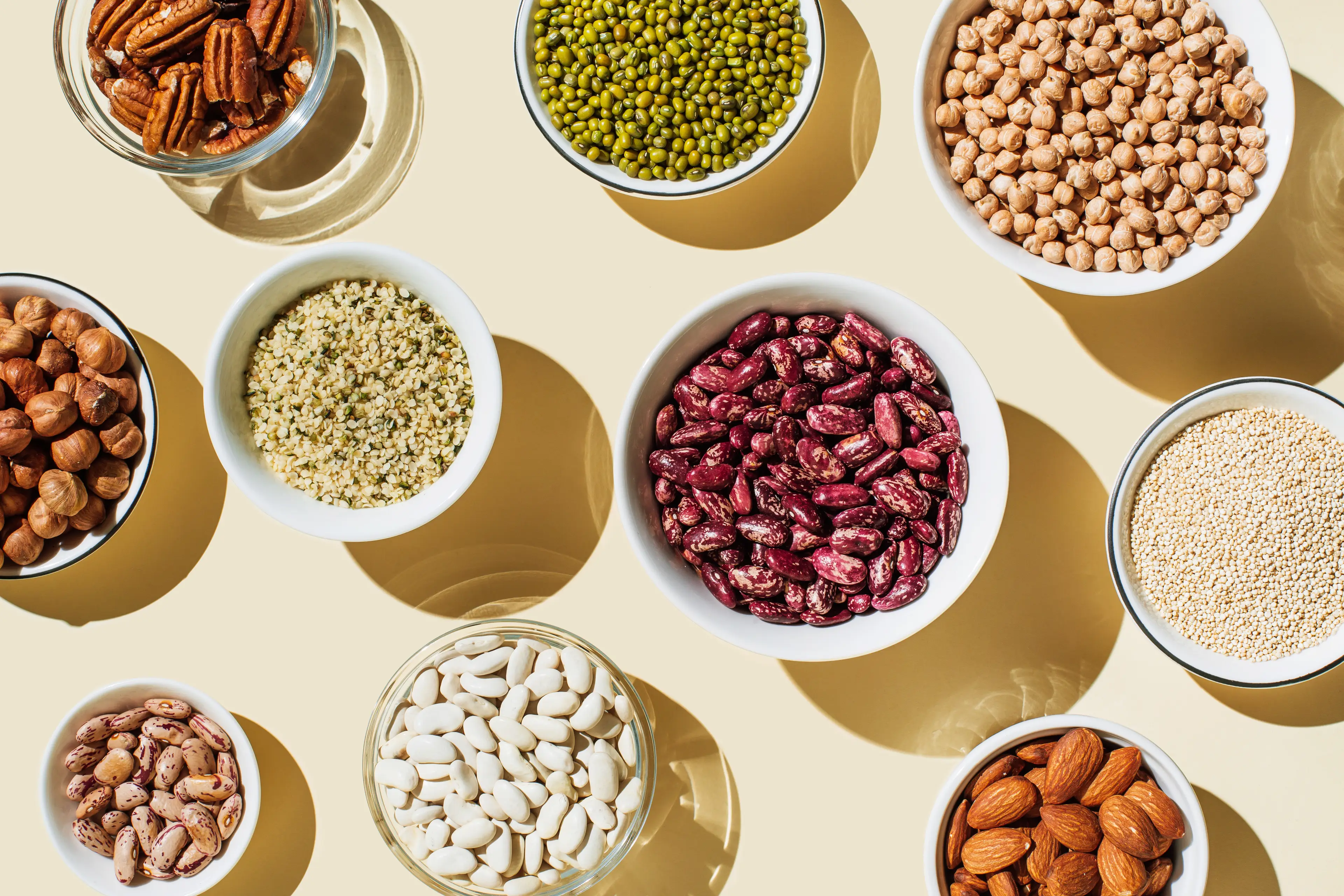
Where you get your protein from is up to you, but good sources are fish, beans and pulses, nuts, cheese or meat.
Sometimes you might want to be consuming more protein, for example if you're trying to build muscle at the gym.
But there are some signs that you're taking on too much protein, and nurse Amy Isler shared some of them.
Dehydration
Consuming a lot of protein can lead to an increase in urination. This is because your kidneys have to do more work to metabolize the protein.
If you are on a high protein diet such as the keto diet, then Amy advises to be extra careful with making sure you're drinking enough water.
Bad breath
When you are on the keto diet, then you get into a state called ketosis, which is where your body begins to burn fat instead of glucose.
This can mean that your breath has acetone, which can have a smell like fruit or nail polish.
Gastrointestinal discomfort
If you have a high-protein diet, then you may not be getting enough fibre, and that can impact your gastrointestinal system.
This is particularly the case if you use powders, bars, or other supplements for your protein intake.
Stress on the heart
This depends on where you're getting your protein from.
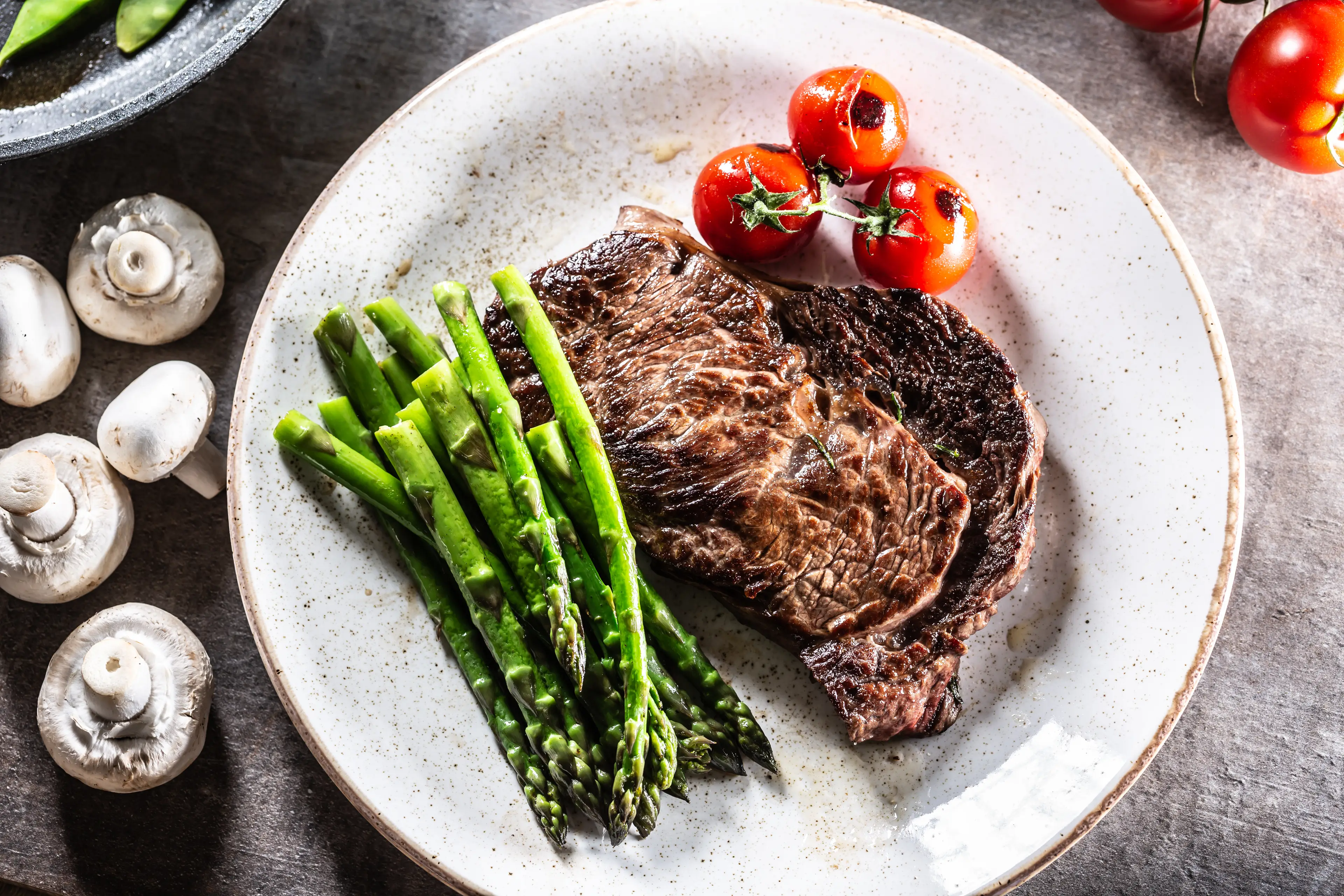
While high-protein foods such as fish, beans and pulses, or nuts are good for heart health, consuming excessive red meat can increase your risk of heart disease.
Weight gain
If you're eating too much protein, then your body can convert any excess protein into sugar, which in turn is stored in your body as fat.
Protein consumption can also lead to weight gain if you're building muscle mass as well.
Kidney and liver function
Underlying conditions in the liver or kidneys can make you more vulnerable to the effects of too much protein, as a byproduct of metabolising it is ammonia.
This is normally secreted in urine, contributing to that distinctive smell, but having poor kidney or liver function can cause this to build up.
Topics: News, Food and Drink, Health, World News
 Kit Roberts