
New study reveals concerning impact popular weight loss diet could have on your body

Downsides to a popular diet known for its weight loss benefits have been revealed in a new study involving mice.
Weight loss is a lot of people's goal when it comes to taking up a new diet and lifestyle. Whether it's fasting, eating just one meal a day, or possibly challenging yourself not to eat after a certain time in the evening, people (myself included) will try just about anything to shift a few pounds.
One thing that's been proven to be helpful when it comes to losing weight is the ketogenic (keto) diet.
According to Healthline, people can expect to lose anywhere between two and ten pounds in the first seven days of doing the difficult diet, as it shifts your body into ketosis (a natural metabolic state where the body burns fat for fuel instead of carbohydrates).
What is the keto diet?

Advert
The keto diet, created in 1921 to help manage epilepsy, consists of a person eating a high-fat and low-carb diet. Typically a person's daily diet will be made up of 55-60 per cent fat, 30 to 35 per cent protein, and a maximum of 10 per cent carbs.
How many grams this works out to be depends on each individual's calorie intake.
Downsides of the diet
In a new study published by University of Utah Health in October 2025, it was found that the keto diet can have a potentially dangerous impact on metabolic health, including how the body processes fats and carbs.
Researchers studied mice as part of the study and looked at the longer-term effects of the keto diet; one red flag being an increased risk of developing fatty liver disease.
Amandine Chaix, PhD, assistant professor of nutrition and integrative physiology at the university and senior author of the study, said of the findings: "One thing that’s very clear is that if you have a really high-fat diet, the lipids have to go somewhere, and they usually end up in the blood and the liver."
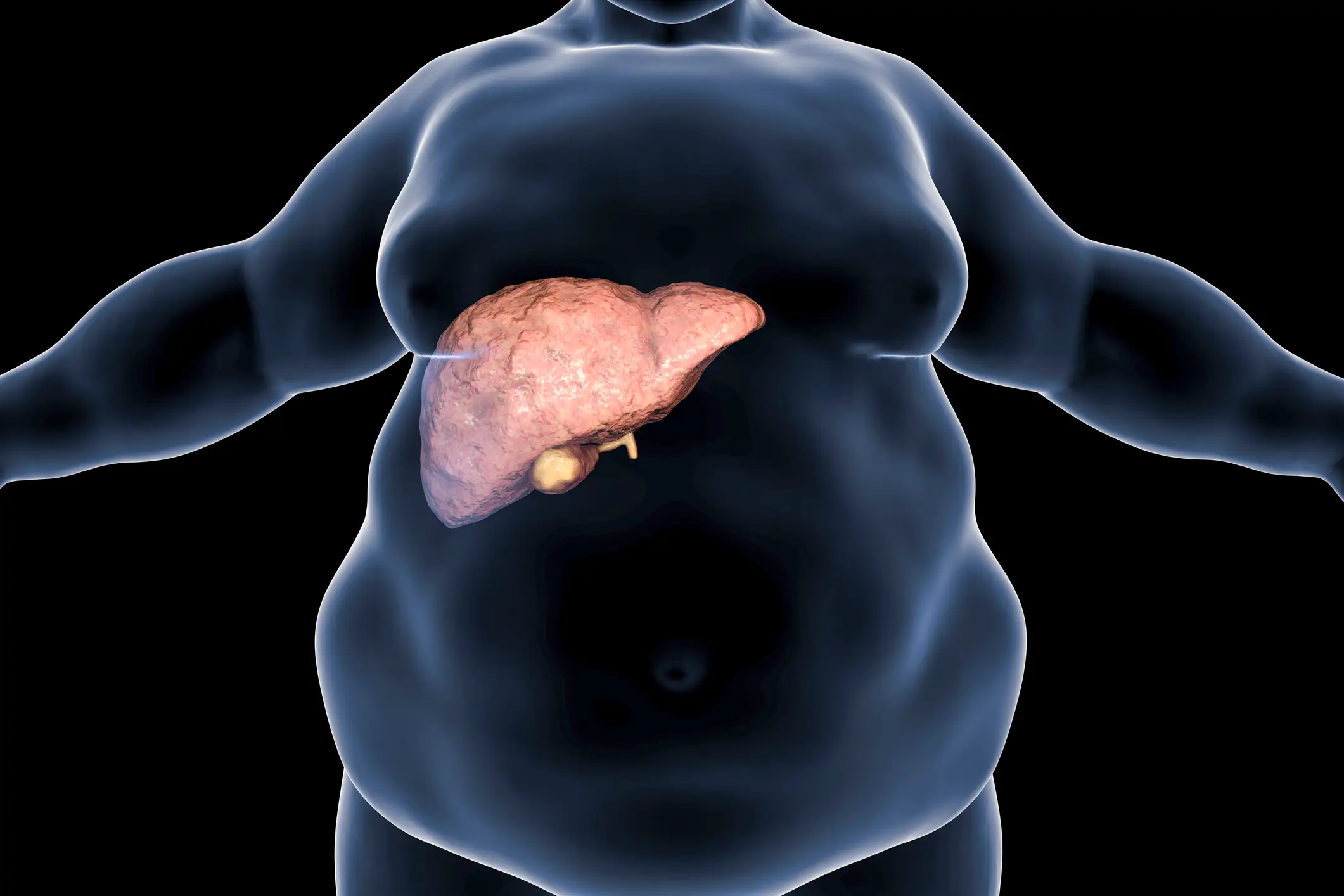
Chaix added that the diet was 'definitely not protective in the sense of fatty liver disease'.
The study also found that after two to three months on the keto diet, the mice had low levels of blood sugar and insulin because the diet harmed their blood sugar regulation.
"The problem is that when you then give these mice a little bit of carbs, their carb response is completely skewed," Chaix said of this. "Their blood glucose goes really high for really long, and that’s quite dangerous."
With the findings in mind, Molly Gallop, PhD, assistant professor of anatomy and physiology at Earlham College, who led the study, warned that people should speak to their doctors if they wish to go on a keto diet.
Benefits of the diet

There are so many benefits of the diet, however. As well as weight loss, previous research has suggested that the keto diet can also reduce seizures in children, says Harvard Health, and improve blood sugar levels in type 2 diabetes patients.
Also, there have been questions raised about the neuroprotective effects the diet has when it comes to brain disorders such as Parkinson's, Alzheimer's, multiple sclerosis, sleep disorders, autism, and even brain cancer.
Topics: Weight loss, Health, Food and Drink, News, Science
 Niamh Shackleton