
Experts issue urgent travel warning to 'take extra precautions' as virus found in two European countries

Experts have issued a travel warning to two European countries as cases of an infectious condition have been reported.
Travel Health Pro has warned that cases of Mpox, formerly known as Monkey Pox, have been confirmed in Sweden and Austria.
The agency has advised anyone travelling to these countries to 'take extra precautions' to protect themselves against the condition.
Six cases of the clade lb variant of the disease have been confirmed in Austria, and seven in Sweden, and the condition is highly contagious.
Advert
A warning on the Travel Health Pro website reads: “Since 1 Feb 2026 and as of 12 March 2026, six cases of clade Ib mpox have been reported in Austria. Since 1 Feb 2026 and as of 12 March 2026, seven cases of clade Ib mpox have been reported in Sweden.”
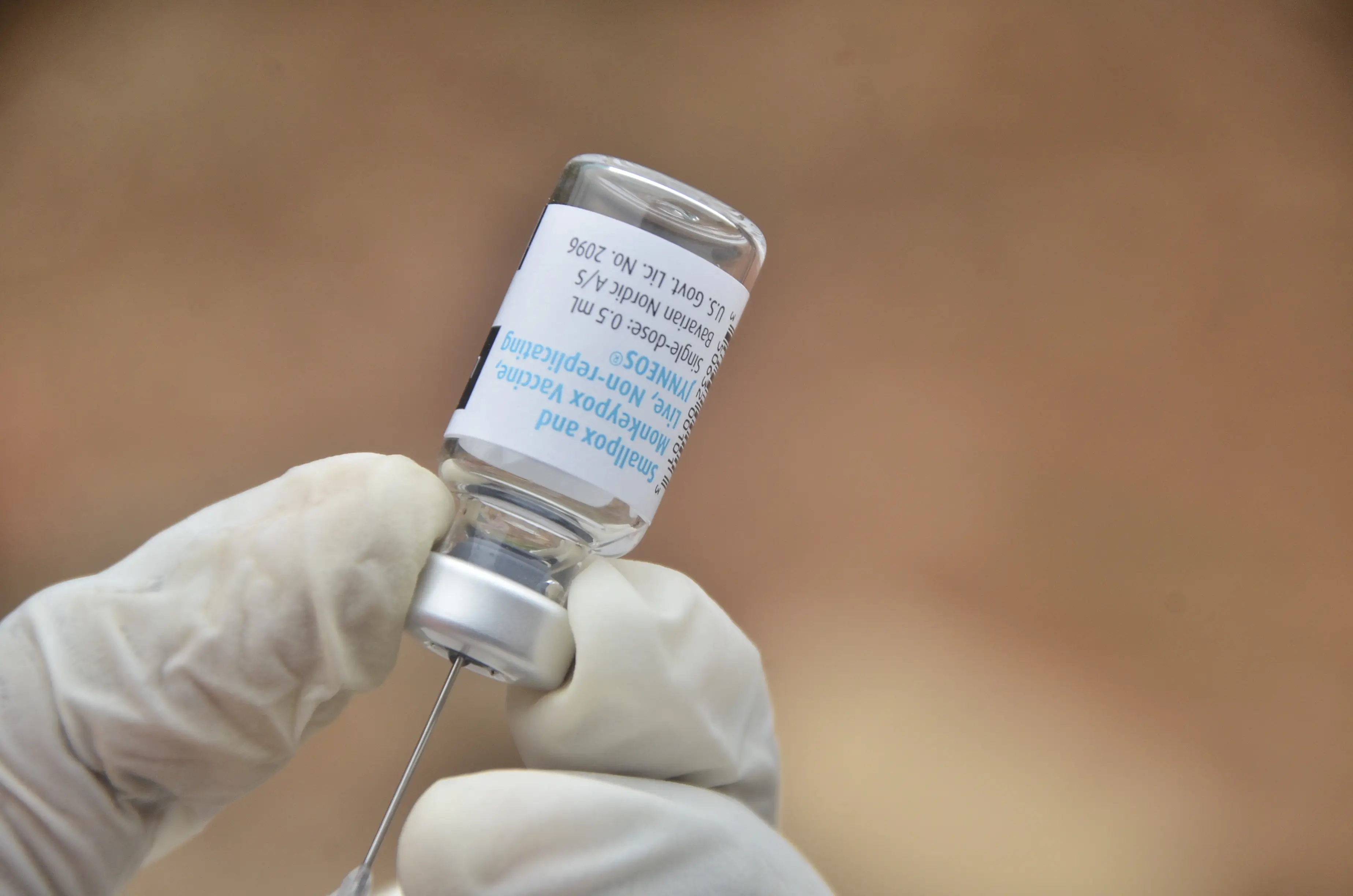
Mpox is already a very infectious condition, but the lb variant is believed to be transmitted even more easily than strains such as the clade II.
It was the clade II strain which was responsible for an outbreak of the disease in the UK back in 2022.
The disease can be passed between people through physical contact with scabs or blisters.
Symptoms usually begin to manifest between roughly five and 21 days after someone is exposed to the disease.
Some of the signs of the disease include symptoms such as a high temperature, aching muscles and back, headaches, joint pain, swollen glands, chills, and extreme tiredness.
Patients may also develop a rash on their body between one and five days after they first start getting symtpoms.
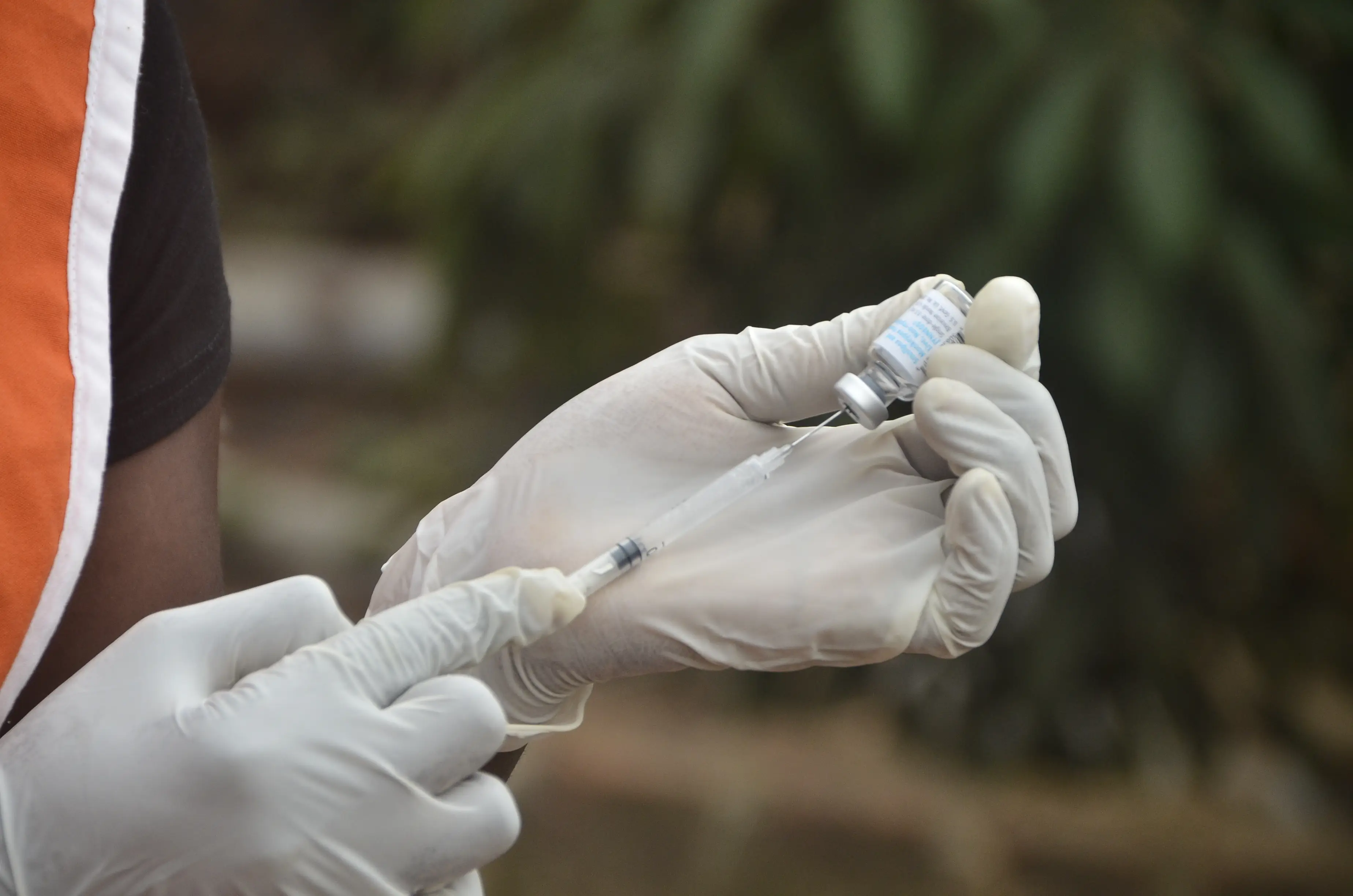
The World Health Organisation has warned that some groups such as young children, pregnant people, and people who are immunocompromised can face more dangerous symptoms.
In severe cases, Mpox can be fatal for some patients.
In 2024 several countries in Africa saw outbreaks of the clade lb strain, and cases have since been reported in Europe and North America.
Advice for avoiding and mitigating Mpox
- Get a vaccine for Mpox if offered
- Regularly wash your hands with soap and water, or clean them with alcohol-based hand sanitiser
- If you travel to central or East Africa, look for possible symptoms of Mpox
- Communicate with sexual partners about symptoms they may have
- If you are sexually active, especially with new partners, be aware of Mpox symptoms
- If you think you have symptoms, abstain from sexual contact with others until you are cleared by a doctor
- If you think someone has Mpox, do not share towels or bedding with them
- Stay around 1 metre away from someone who has Mpox
- If travelling in central and East Africa, stay away from any stray or wild animals, particularly if they appear sick
- Do not touch or consume meat from wild animals if you are travelling in central or east Africa
 Kit Roberts