Signs you're drinking too much soda as cardiologist issues warning

A popular daily drinking habit could be causing havoc with your health, messing with your sleeping patterns, and causing painful bloating and diarrhea - here’s what you need to know.
Water, despite its wealth of health benefits, isn’t exactly the most exciting beverage to reach for, especially on evenings out with your friends or to accompany gourmet meals.
In its place, you may be tempted to reach for carbonated soda drinks, especially if you’re someone who doesn’t enjoy or abstains from alcoholic items like beer, wine, and whiskey.
But your penchant for soda or diet soda could be causing serious harm to your body, with experts going as far as to call it ‘liquid death’.
Why is soda called ‘liquid death’?
Dr Jeremy London, who holds board certification in vascular thoracic and general surgery, previously described soda, especially diet varieties, as ‘liquid death’.
Advert
In an interview with TODAY, the cardiologist mused: "I think that soft drinks are just a scourge in our society, and so I was really trying to get some attention.
“Obviously, high-calorie soft drinks and ingesting a lot of calories that people don't realise they're getting with the sugar-based soft drinks is a big no-no.”
Difference between soda and diet soda
Unlike regular cans of full-fat soda, the diet variety doesn’t contain any sugar.
Instead, the substance is swapped for artificial or natural non-nutritive sweeteners with zero or very few calories.
Aspartame, stevia and sucralose are three sweetners often used to replace sugar in diet sodas.
You may believe that ditching sugar is a good thing, but experts at Zoe, a wellness project that aims to help users make ‘smarter food choices’, aren’t as convinced.
Issues with drinking diet soda

A previous study published in the National Library of Medicine found a ‘clear association of soft drink intake with increased energy intake and body weight’.
The experts also found that people who consume diet sodas are likely to consume less milk, calcium, and other nutrients, which increases the risk of medical problems, including diabetes.
However, Sammie Gill, a specialist gastroenterology dietitian with a PhD in nutritional immunology, stated in a Zoe guide that how artificial sweeteners impact a person depends on the composition of their microbiome.
Signs you are drinking too much ‘liquid death’
The Mayo Clinic states that it’s currently unknown if drinking diet soda every day is harmful.
However, experts at Zoe have suggested that drinking too much ‘liquid death’ can be seriously harmful.
Here are some of the signs that you may need to cut back:
Gut issues
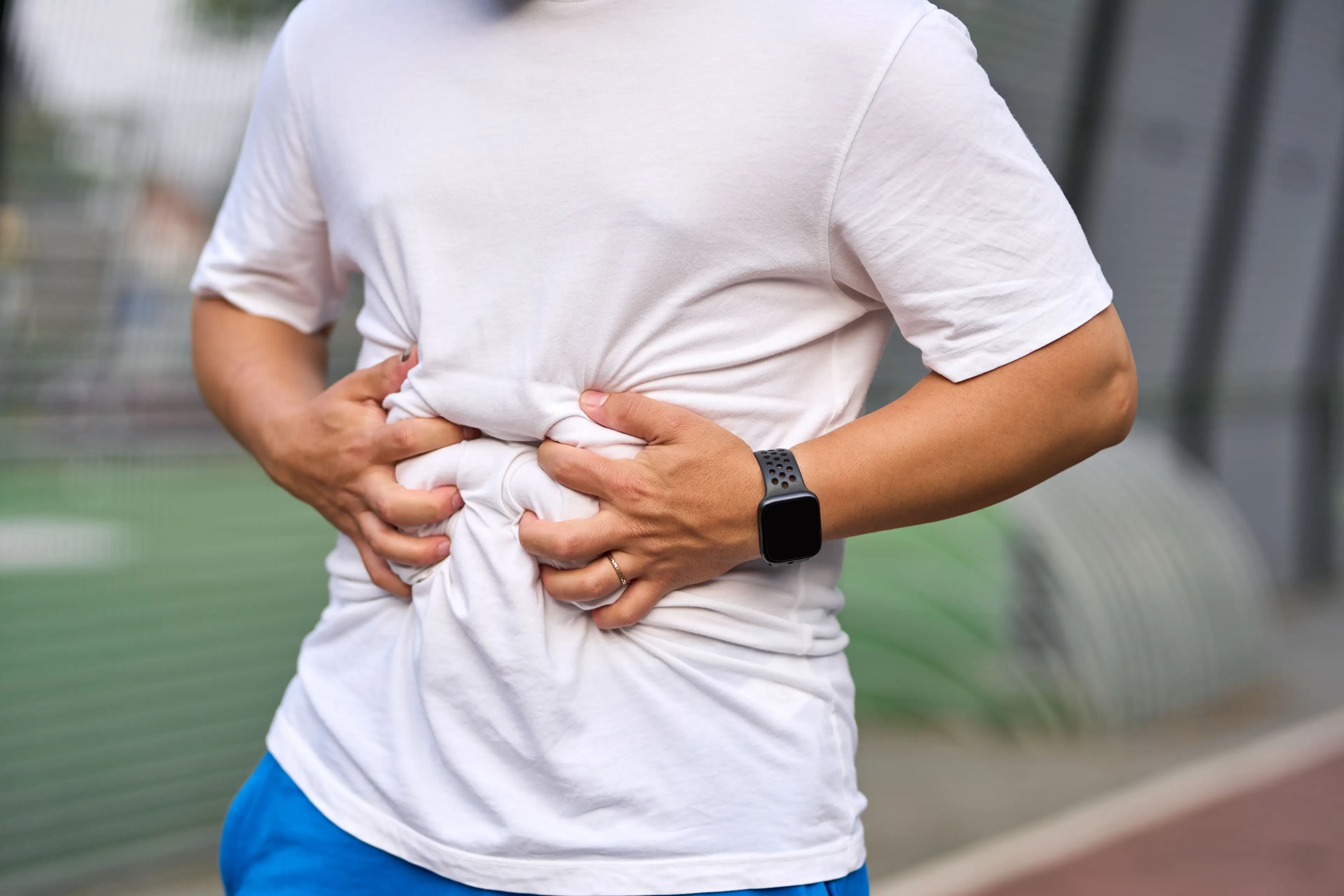
The brand warned that diet soda, which tends to be carbonated, can cause gas to become trapped in your system.
If this gas doesn’t escape quickly, then you could be left feeling bloated and in pain for hours.
Those with a sensitive gut may also find that the caffeine in these low-sugar beverages activates contractions in the digestive tract, causing diarrhea.
Problems with sleep
Not only can caffeine cause your bowels discomfort, but it may also keep you up at night.
A good rule of thumb is to quit caffeine at least six to eight hours before bedtime.
That means if you’re hitting the hay at around 10pm, then you may want to put the diet soda down before 2pm.
What’s more, an animal-based study published in the Nutrition Journal has previously suggested that artificial sweeteners may disturb sleep-wake cycles.
While this hasn’t been confirmed in humans, it’s something to be aware of before reaching for that 3pm cold can.
Headaches

Various studies, including one published in The Journal of Head and Face Pain, have suggested that artificial sweeteners - especially aspartame and sucralose - in carbonated beverages may cause headaches in people who are already prone to them.
It should be noted that headaches don’t usually occur from a single serving but rather through prolonged, heavy consumption of drinks.
Unsatiable food cravings

Researchers have suggested that people who drink diet sodas with artificial sweeteners may experience food cravings and increased hunger.
In a 2021 study, published via SageJournals, participants were given a glass of so-called ‘liquid death’ or a drink of full-sugar soda before being shown pictures of food.
Those who had the diet soda apparently had ‘increased activation of the brain’s reward system and decreased activity in control-related regions’.
Diet soda alternatives
If you fancy ditching the diet soda for good, then there are a myriad of beverages you can pick up in its place, including water, unsweetened tea, and coffee.
Infused water with fresh fruit; fermented drinks such as kombucha and homemade iced tea may also serve you well.
Topics: Food and Drink, Health, News
 Ella Scott