
What happens if you overdose on Ozempic and the signs you're taking too much

GLP-1 drugs that are used to treat obesity and diabetes have become some of the most commonly used medications in America, with one in eight people now taking drugs like Ozempic, Mounjaro, and Wegovy.
But even though millions of people use these 'semaglutide' drugs and successfully lose weight without any dangerous side effects, as with any medication, it is possible to have too much of a good thing and even overdose.
The adverse reactions that people do report are issues like continued nausea, vomiting, and diarrhea while using these Glucagon-like peptide-1 (GLP-1) medications, which were initially developed to treat diabetes but are now widely prescribed to help people lose weight as they help to suppress hunger.
Yet, their widespread use and the ever-growing demand for these treatments has seen a concurrent rise in people actually taking too much semaglutide and overdosing, with few users aware of how to spot when they have gone too far.
Advert
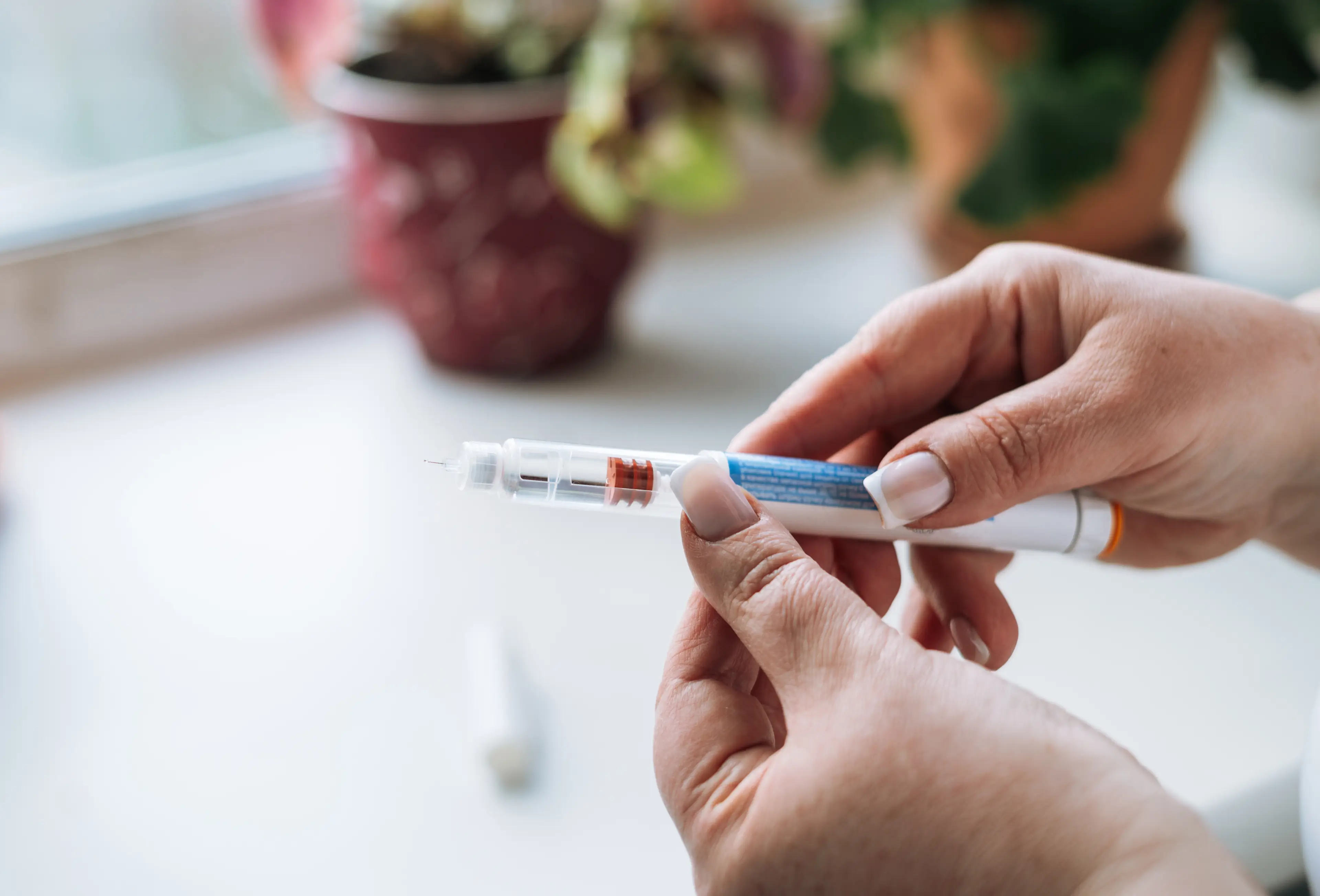
A study by the University of Alabama that was published in the Journal of Medical Toxicology found that the number of people phoning toxicology and poison centers had spiked in recent years, amid concerns that they may have self-administered too much.
This is the crux of the problem for these novel drugs, which are largely self-administered by the patient. While many of the biggest manufacturers like Novo Nordisk and Eli Lilly portion their doses into single-use disposable injections, that is not the case across the board.
As a result of the booming demand for GLP-1 drugs, which are currently classed as a 'shortage' drug by the Food and Drug Administration, many people are getting their weight loss medication from 'compounding' pharmacies.
Rather than distributing the drug in hard-to-mess-up injectable doses, these pharmacies mix the chemicals and titrate their own doses, which can also lead to further mix-ups that leave patients with drugs that are up to 20 times stronger than intended.
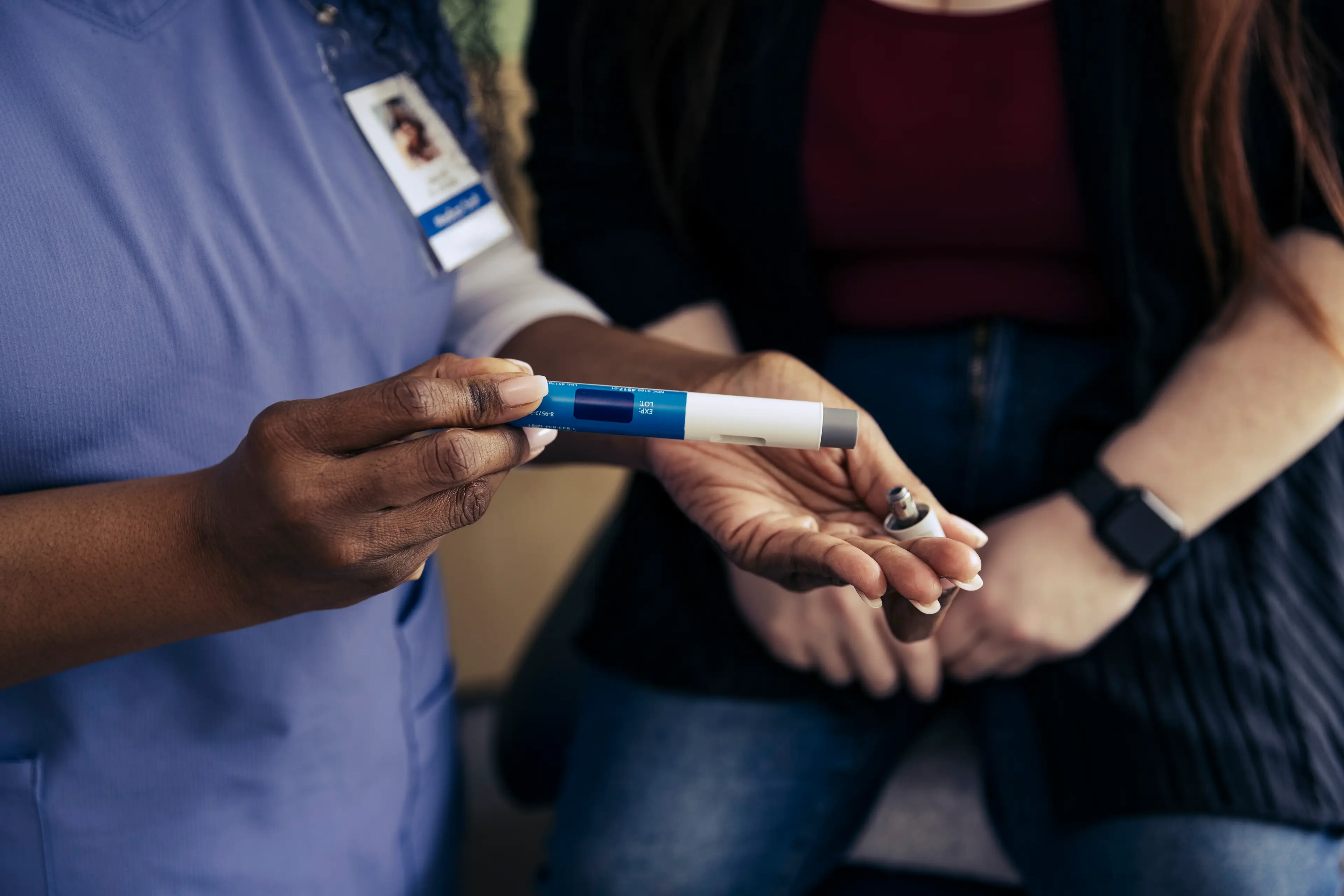
These cheaper semaglutide drugs, by and large, leave it up to the patient to correctly calculate the right GLP-1 dose and draw it from the simple vial that these medications are typically delivered in.
"You have to know conversions, and you have to know how much to draw up,” Janice Jin Hwang, a University of North Carolina endocrinologist, told Scientific American.
Making these conversions as a non medical expert is not always easy and sometimes impossible to get right, with laypeople left to calculate the difference between millilitres and milligrams, with some bottles unhelpfully being labeled in 'units'.
"You really have to know exactly what you’re doing. Otherwise it's really, really easy to make mistakes," Hwang said.
But if you're concerned that your dose is too high, or that you have just taken an overdose, it is far easier to spot the warning signs than it is to portion your GLP-1 properly.
How to spot a GLP-1 overdose
The biggest giveaway is if you appear to be entering into a kind of glycaemic shock, as the sheer quantities of GLP-1 flooding your system give you a continuous low blood sugar level.
According to the Mayo Clinic, this can induce shakiness, sweating, irritability, confusion, dizziness, headache, blurred vision, and in severe cases, loss of consciousness or seizures.
The other glaring symptom that you may have taken too much semaglutide is if you are experiencing a great deal of gastrointestinal distress, which will often include nausea, vomiting, and diarrhea - all of which are more severe in an overdose.
People who have dosed incorrectly are also likely to experience extreme dehydration and are at a higher risk of developing gallstones and acute pancreatitis, which are a risk at any dosage level.
The other main sign that you might have injected too much of your weight loss drug is if you see visible redness or some other adverse reaction around the injection site, with unintended doses raising the risk of causing swelling and itchiness.
But if you have taken too much GLP-1 and have these symptoms under control, don't worry. While each of the different version of this medication have different half lives, they should be out of your system in around a week. Then you should feel normal again.
Topics: Ozempic, Mounjaro, Weight loss, Health
 William Morgan