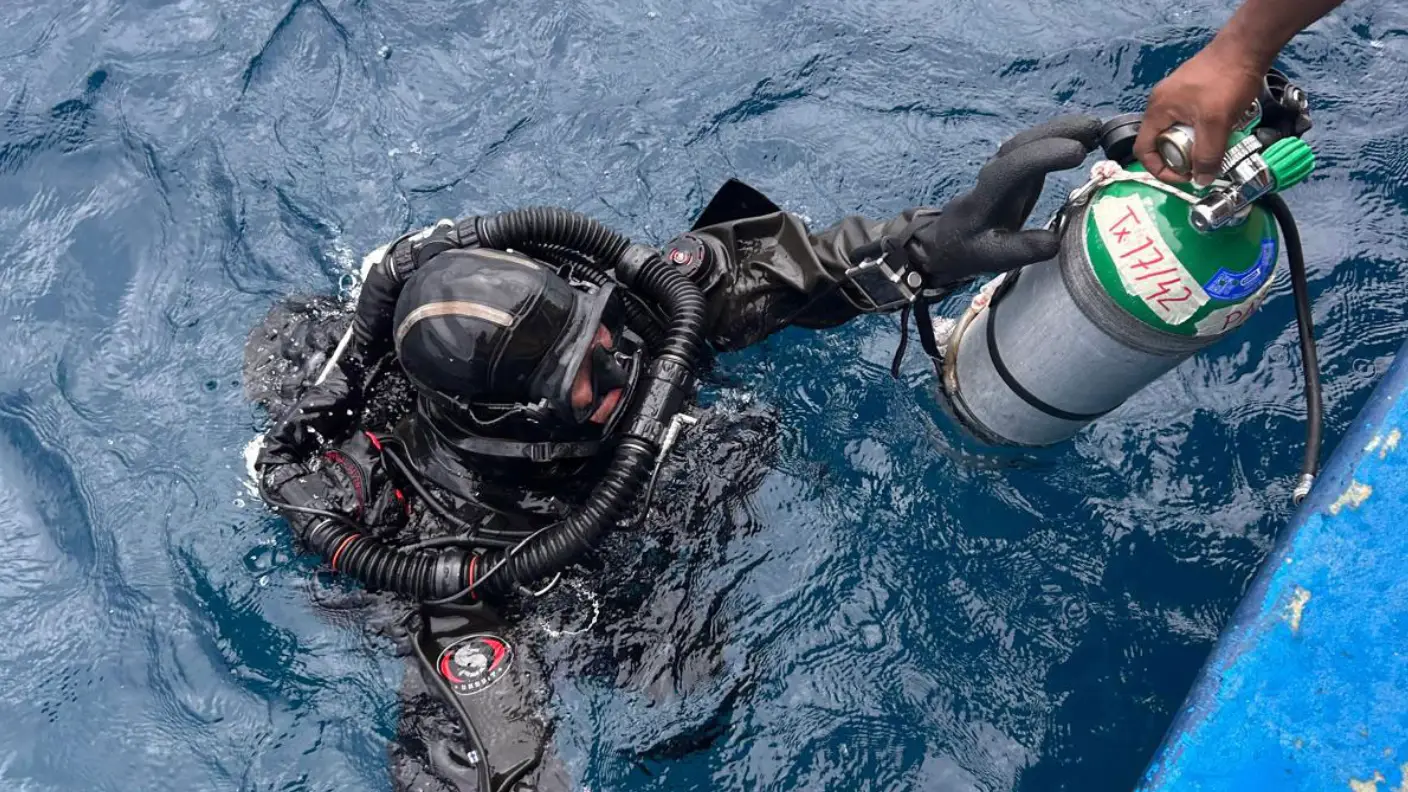
Maldives diving tragedy may have been caused by ‘sand wall illusion’ as expert explains

An investigation is now underway into the deadliest diving tragedy to ever strike the island paradises of the Maldives, following the deaths of five Italian nationals on a caving expedition last Thursday, May 14.
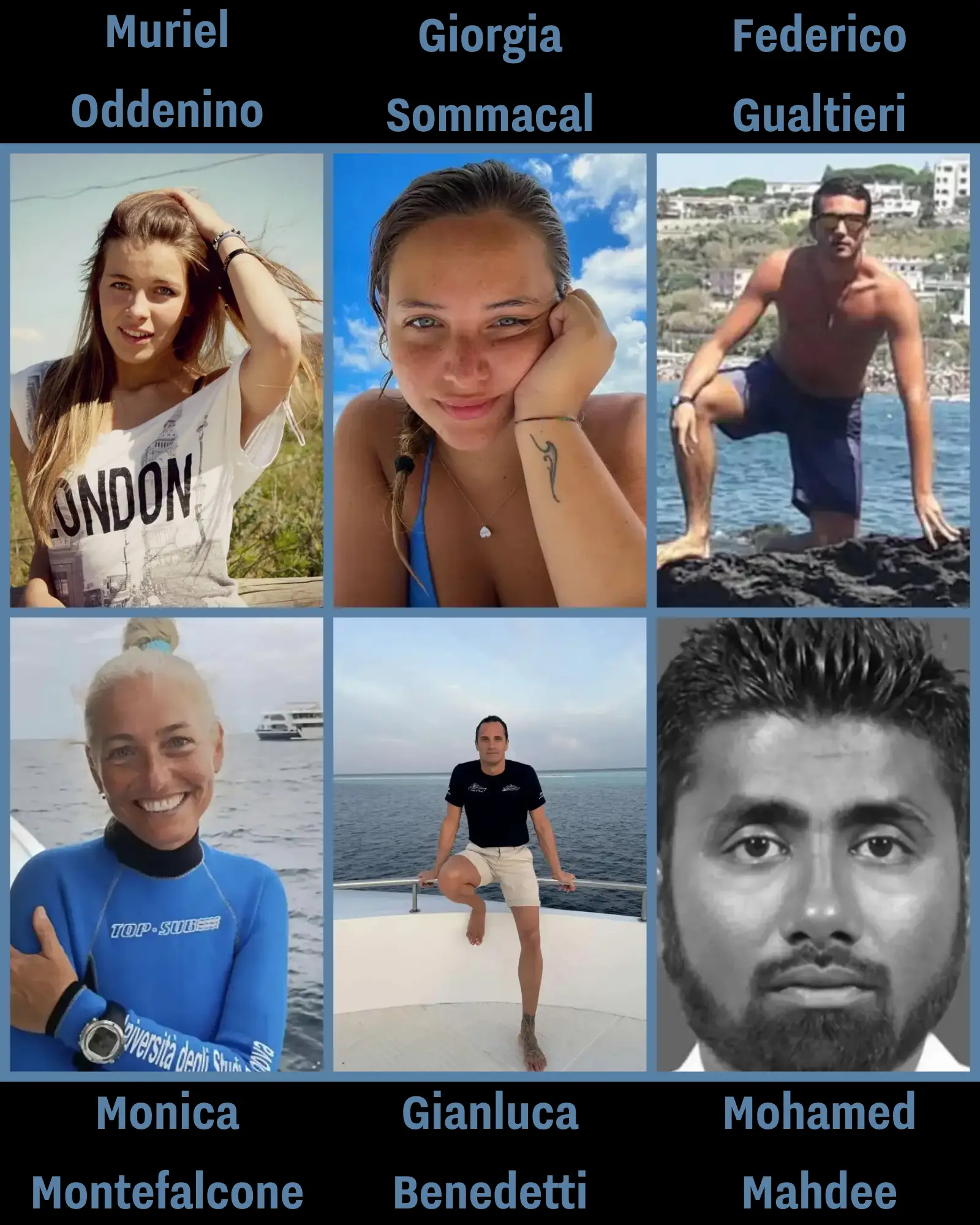
The bodies of all five scuba divers who perished on the trip, Monica Montefalcone, her daughter Giorgia Sommacal, Federico Gualtieri, Muriel Oddenino, and instructor Gianluca Benedetti, have now been recovered by teams of expert divers.
But what exactly caused the group, which had a couple of experienced divers alongside less experienced ones being led by an instructor, to perish deep in a cave network almost 200ft under the ocean's surface is unclear.
Experts have spent the last week poring over the little information about the expedition that has been shared with the public, raising theories from equipment malfunctions to poor planning, but the diving team who recovered their bodies have now weighed in on the debate.
Advert
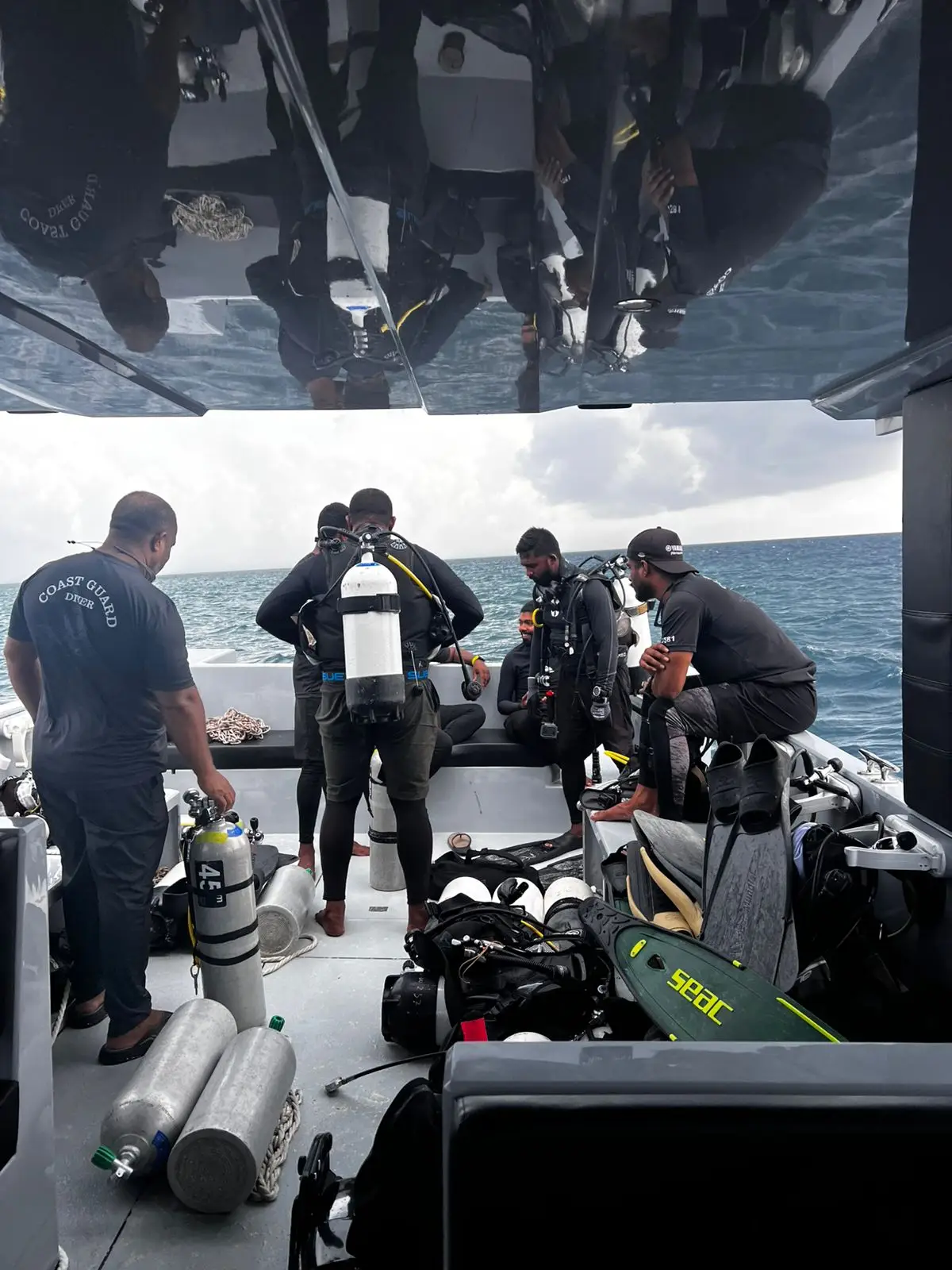
These professional rescue divers from Finland, working for research company DAN Europe, spent three hours descending hundreds of feet under Vaavu Atoll to locate and recover the four bodies that remained deep within the cave system.
The fifth body, that of the expedition's dive instructor, had been recovered on the same day the team failed to resurface, as it lay near the entrance to the cave. The other four remaining bodies lay much deeper inside.
The Finnish divers located these four, Montefalcone, Sommacal, Gualtieri, and Oddenino, deeper inside the difficult 200m-long cave network. They were found two 'rooms' deep into the undersea cavern, facing a dead-end corridor.
Laura Marroni, DAN Europe's CEO, told Italian media that 'there was no way out from there,' before explaining the cave's complicated layout and the 'sand wall' that could have trapped the expedition inside.
While the initial chamber has natural light and had a corridor with 'excellent' visibility attached to it, but before reaching the second chamber the divers discovered a large sandbank. Marroni said that getting over this sandbank was easy, but getting back was much harder.
Due to the disorientation of being underwater and with reduced visibility from being deeper in the cave and sediment disturbed by your progress, when you turn around that sand bank can seem like a solid wall, Marroni said.
But, to the left of this illusory sand wall, there was another dead-end corridor of just over 20 meters. This was where the four divers were tragically discovered.
Marroni added: "The divers' bodies were all found inside, as if they had mistaken it for the right one."
Videos of the deep cave network, captured in 2014 by Russian diving expert Vladimir Tochilov, reveal a winding warren with a number of twists, turns, and chambers - with very little natural light and a number of features that could disorient you.
Tochilov told CNN: “This cave is accessible only for technical cave divers who have the appropriate preparation, the appropriate experience and who are planning on correctly diving into this cave.”
And losing your sense of direction in such an alien environment is all too easy, even with guide ropes. “Any person, if you try to spin them in the dark and ask to find an exit in a dark room, there will also be difficulties,” Tochilov said.
He also pointed out that the cave itself is unusual, as the Maldives is not a destination for cave divers, but that it is full of unique plant life and fish that could have drawn the group in.
“This is probably why it attracted the attention of divers, including scientists, biologists, and researchers,” he told CNN. “The cave has its own flora and fauna that you will not see outside the cave.”
 William Morgan