Researchers reveal main reasons why weight-loss drugs like Ozempic don't work for everyone

Scientists have been looking into why GLP-1 weight-loss drugs work so well for some people, while they near completely fail for others.
Medications such as Ozempic and Wegovy reduce body weight by an average of 15 percent when taken weekly for 68 weeks alongside lifestyle changes, research from the National Library of Medicine has shown.
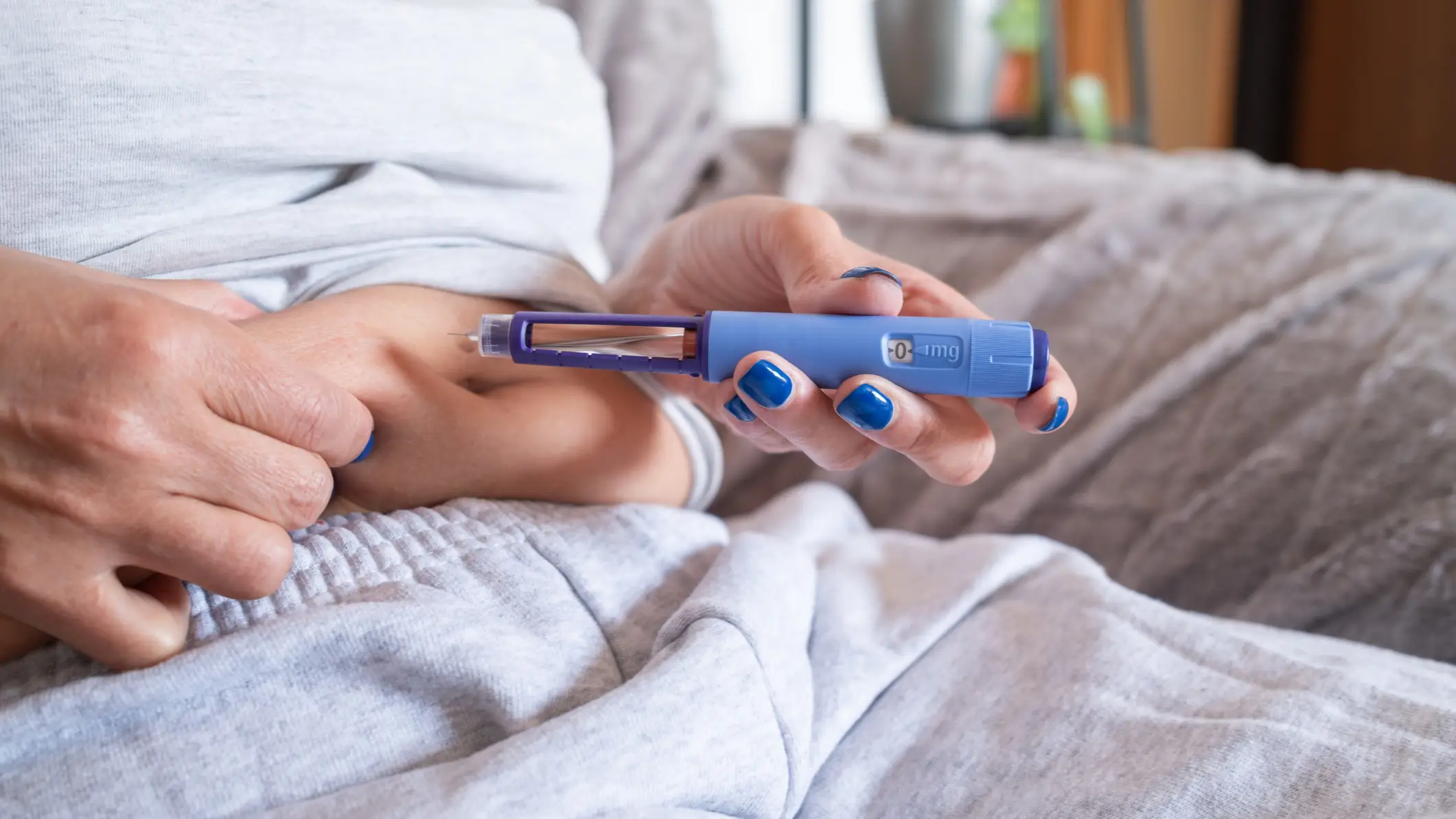
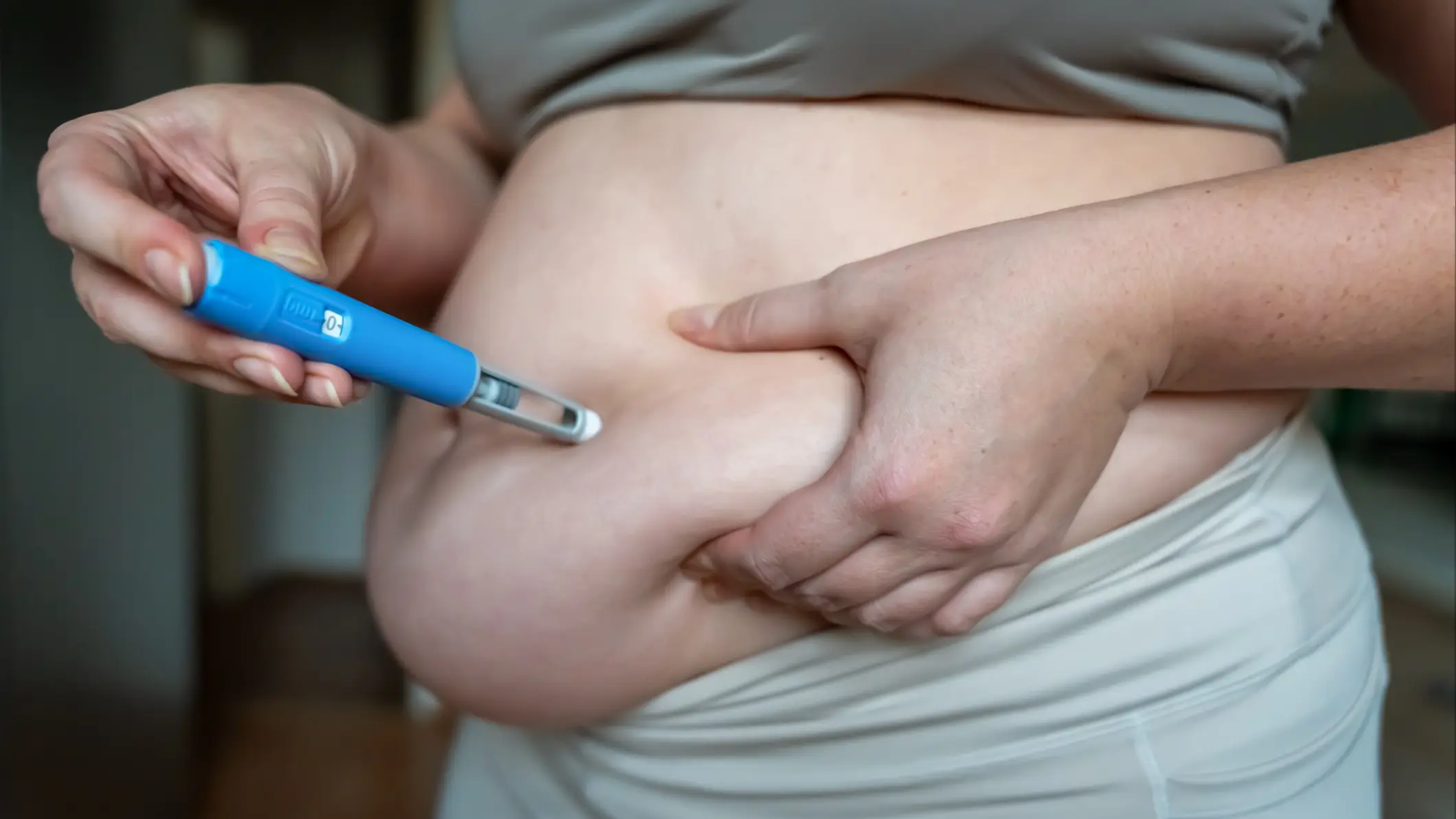
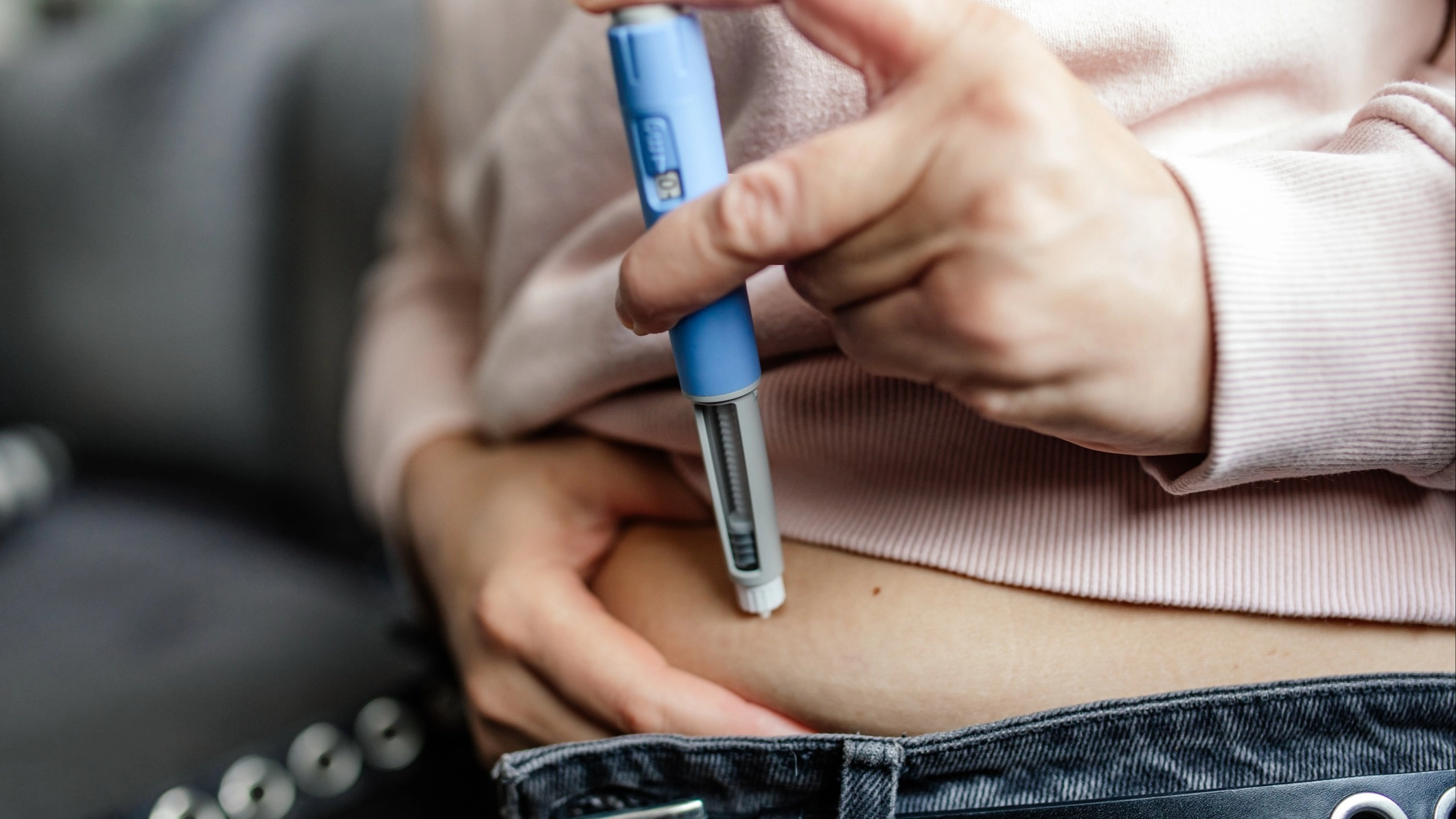
They contain semaglutide, a GLP-1 receptor agonist that helps regulate blood sugar, appetite and body weight, and acts on the brain to increase fullness and decrease appetite.
However, the results are not the same for everyone who uses GLPs, with some people suffering from uncomfortable side effects.
Advert
A multidisciplinary team from the University of Alberta, Canada, are now looking into why that is, according to Science Daily.

Why do people respond differently to semaglutide?
The team is also exploring genetics, metabolism, body composition, lifestyle, gut microbiota, associated diseases, age and sex.
Weight loss is also just one measure of how well the drugs work. Semaglutide medications have been shown to improve quality of life, blood markers such as sugar and cholesterol, strength and overall health.
Understanding how semaglutide affects energy use and body composition could help explain the different responses and support more personalized approaches to obesity and Type 2 diabetes management. It could also help doctors spot potential non-responders, meaning people who do not lose weight, and offer alternative treatments sooner.
The team are also investigating whether the body's tendency to cut back on calorie burning during weight loss could be part of the answer.
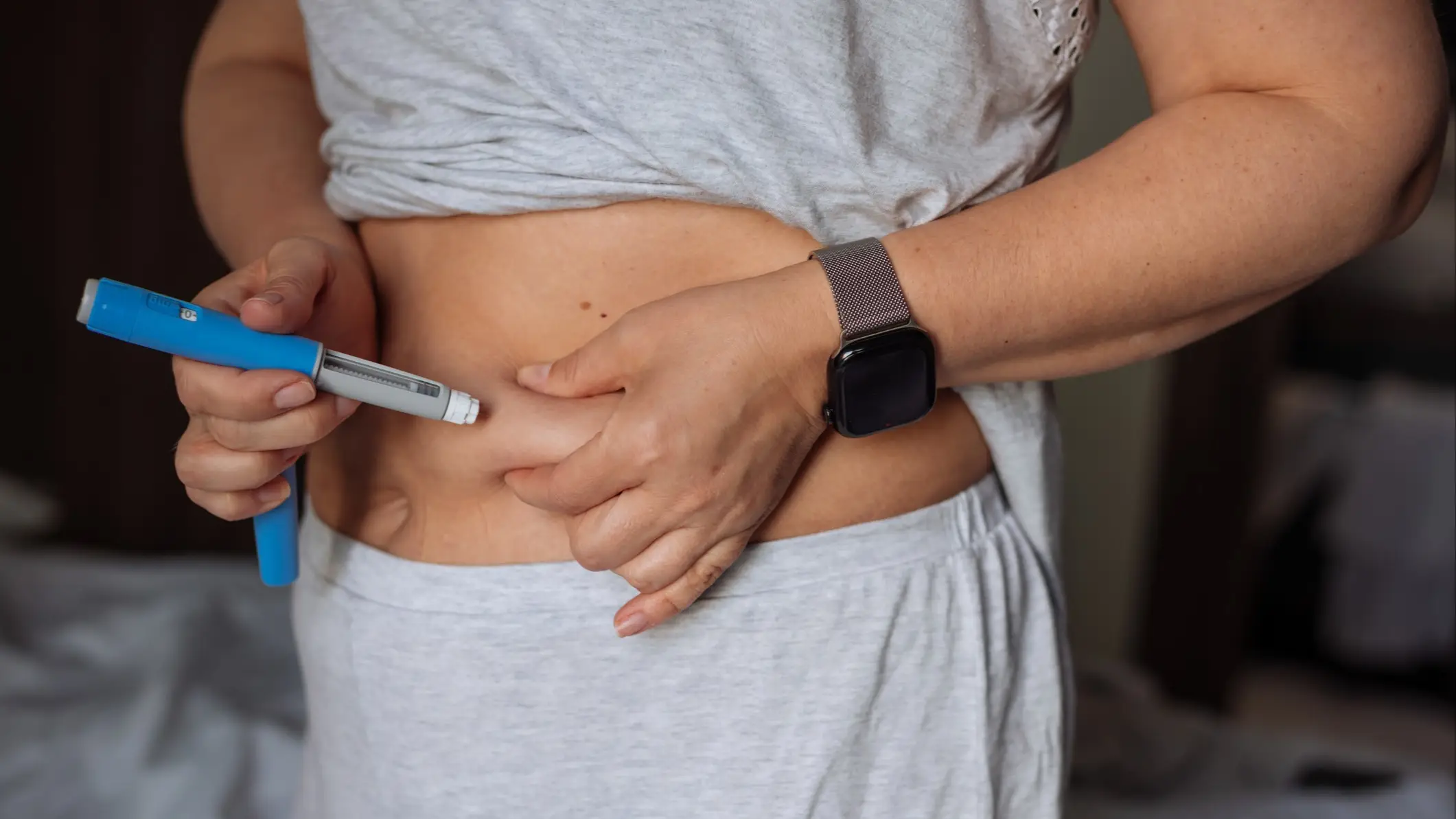
The researchers describe it as a kind of 'energy saving mode' and say it is an important piece of a more complex puzzle.
To test the idea, they are recruiting people with blood sugar regulation issues, such as insulin resistance or diabetes, who are about to begin semaglutide.
Each participant will be followed for six months, with changes in body weight, body composition and energy use tracked throughout.
Energy use will be measured inside a whole-room indirect calorimeter.
A whole-room indirect calorimeter is a controlled, ventilated room used to measure a person's energy expenditure and fuel use (carbohydrates, fats, and proteins) over hours or days. Unlike a mask or hood, it lets a person move, eat, sleep, and exercise freely without wearing breathing gear.
It is a rare research facility resembling a hotel suite, and it can isolate how many calories the body burns at rest, after eating and during exercise.
What is metabolic adaptation?

Energy metabolism is the balance between the calories a person consumes and the calories they burn.
The body burns calories constantly through breathing, thinking, exercise and digesting food. When weight is lost it naturally needs less energy, but sometimes it burns even fewer calories than would be expected. This is known as metabolic adaptation, or adaptive thermogenesis.
The researchers compared it to a light bulb that dims itself to save electricity. They said it is one reason weight loss can become harder over time, sometimes ending in a plateau.
Body composition adds another layer. Fat and fat-free mass both use energy even at rest, so calorie burning falls as those tissues are lost. Researchers are still working out whether weight-loss drugs influence these processes differently.
The team recently reviewed existing studies on GLP-1 therapies and energy use. They found only a few that looked at how semaglutide affects resting energy use, with neutral or inconclusive findings. The researchers said the question still remains open.
UNILAD has contacted Novo Nordisk for comment.
Topics: Ozempic, Weight loss, Canada, Science
 Thomas Bamford-Sidwell