Man who had four inches of penis amputated hits back at common cancer myth

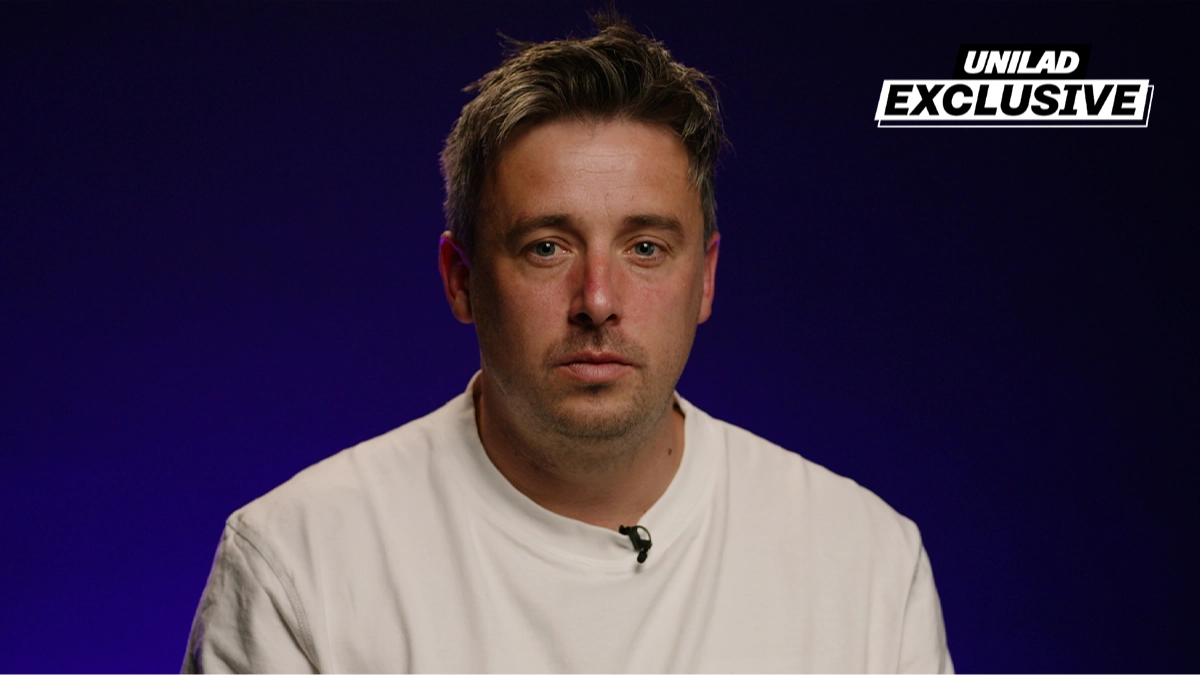
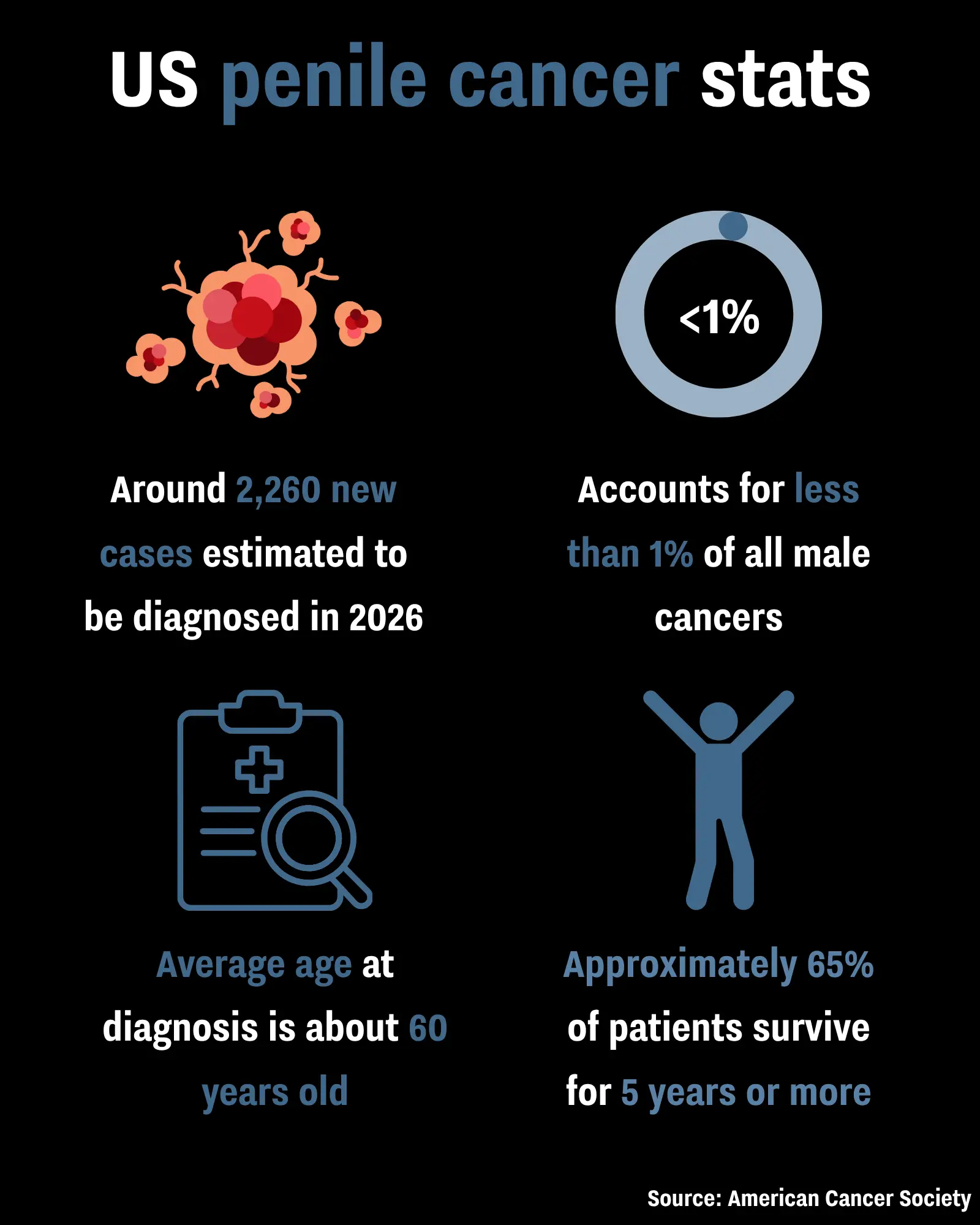
At the age of 26, Steven Hamill's life was turned upside down when he was diagnosed with penile cancer – a condition that's diagnosed in less than one in 100,000 men each year in the US.
Nobody expects to be diagnosed with cancer in their 20s. In fact, a lot of people are told they're 'too young' for their type of cancer prior to their diagnosis, when in reality cancer doesn't discriminate based on a person's age.
Steven knows this firsthand and spoke to LADbible as part of their Honesty Box series about the first sign he noticed that something was wrong with his penis.
Advert
"The initial sign was obviously the swelling of the head, and I think the biggest sign for me where I needed to go get help was when there was bleeding," he shared.
"So, there was blood. There was no pain at that time. It was just bleeding. The first bleed, it was obviously all up the cupboards, all over the floor, dripping down my leg, all over my foot.
"We weren't talking like a minimal bleed, like a nosebleed. We were talking more of a, you've caught your arm bleed with a knife, I would say, rather than a minimalistic nosebleed, blister bleed, anything like that."
'My doctor said he'd never seen someone under 50 have penile cancer'
According to the American Cancer Society, the average age someone gets penile cancer is 60. With this in mind, most people think that only older men get the condition – but following Steven's experience, this obviously isn't always the case.
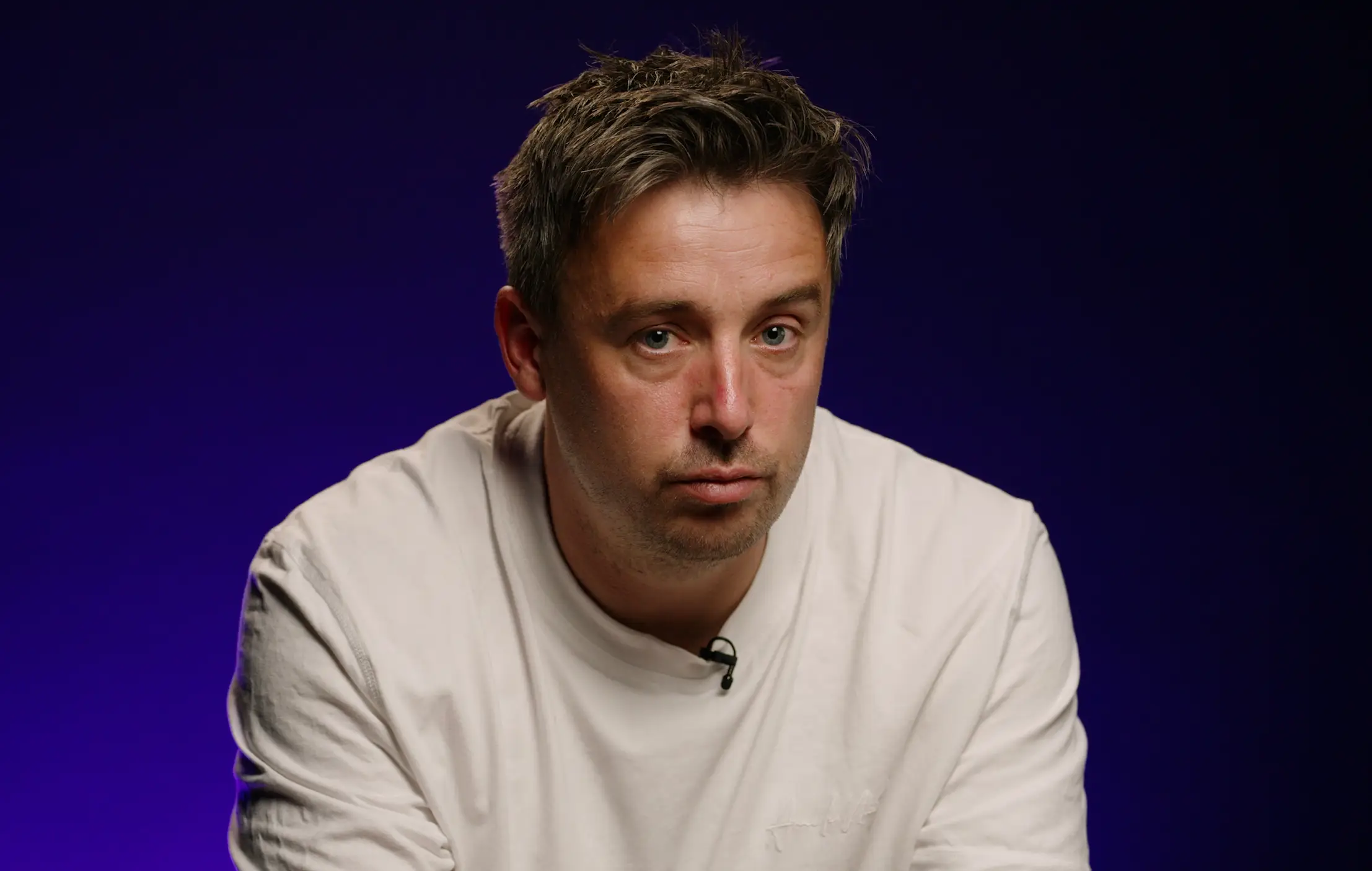
When asked about the myth that it only occurs in older men, Steven said: "So, whoever wrote this sounds like my doctor back when I was diagnosed, because that's exactly what he said. He was like, 'I've never seen anyone under the age of 50 come in with penile cancer'."
"To be fair, the statistics show it most commonly affects people, men, later on in their life," he went on. "But last time I checked, I was born in 1993, and I was only 26 when I went through this. So it does affect the younger generation."
Since sharing his cancer story, Steven's been contacted by 'hundreds of people in their 30s' who have gone through the same thing, proving that it impacts younger adults as well.
"Granted, you probably need to take extra care over 50, make sure you're checking a lot, but it can affect anyone at any age," Steven added.
Steven ended up having roughly 4.6 inches of his penis removed as a result of his cancer (known as a partial penectomy), leaving him with just over four inches.
'Going through this connected me a lot more to myself'
Since his appendage is smaller than it was before, he was asked if he feels 'less of a man' – but Steven says it's 'completely the opposite'.
"I just thought the definition of being a man was you work, you have kids, you provide for your family, because that's how I grew up," he said.
"Actually, going through this kind of connected me a lot more to myself, made me a lot more emotionally intelligent and mature. So yeah, I think the definition of being a man is accepting you for you, being emotional, making sure you can show that emotion, and just being a good human.
"It's not about being a man these days, is it? It's about being a human."
If you’ve been affected by any of these issues and want to speak to someone in confidence, contact the American Cancer Society on 1-800-227-2345 or via their live chat feature, available 24/7 every day of the year.
 Niamh Shackleton