
Man had four inches of his penis amputated after ‘death smell’ symptom was dismissed by doctors

A British man informed by doctors that the ‘death smell’ coming from his genitals was only an infection, ended up having ‘half’ of his penis amputated. The father-of-one has since offered advice to anyone experiencing similar symptoms.
When Steven Hamill was 26, he attended a medical appointment after noticing the head of his penis had ballooned to four times its usual size.
He was sent away with steroid cream to treat an infection that experts were convinced was balanitis, a swelling of the head of the penis that can be caused by not washing your penis properly or an STI.
But a month later, the UK resident’s private parts began emitting a strong odour.
Advert
“I would describe this smell as death. The smell followed me round and it was awful and other people could smell it,” he lamented.
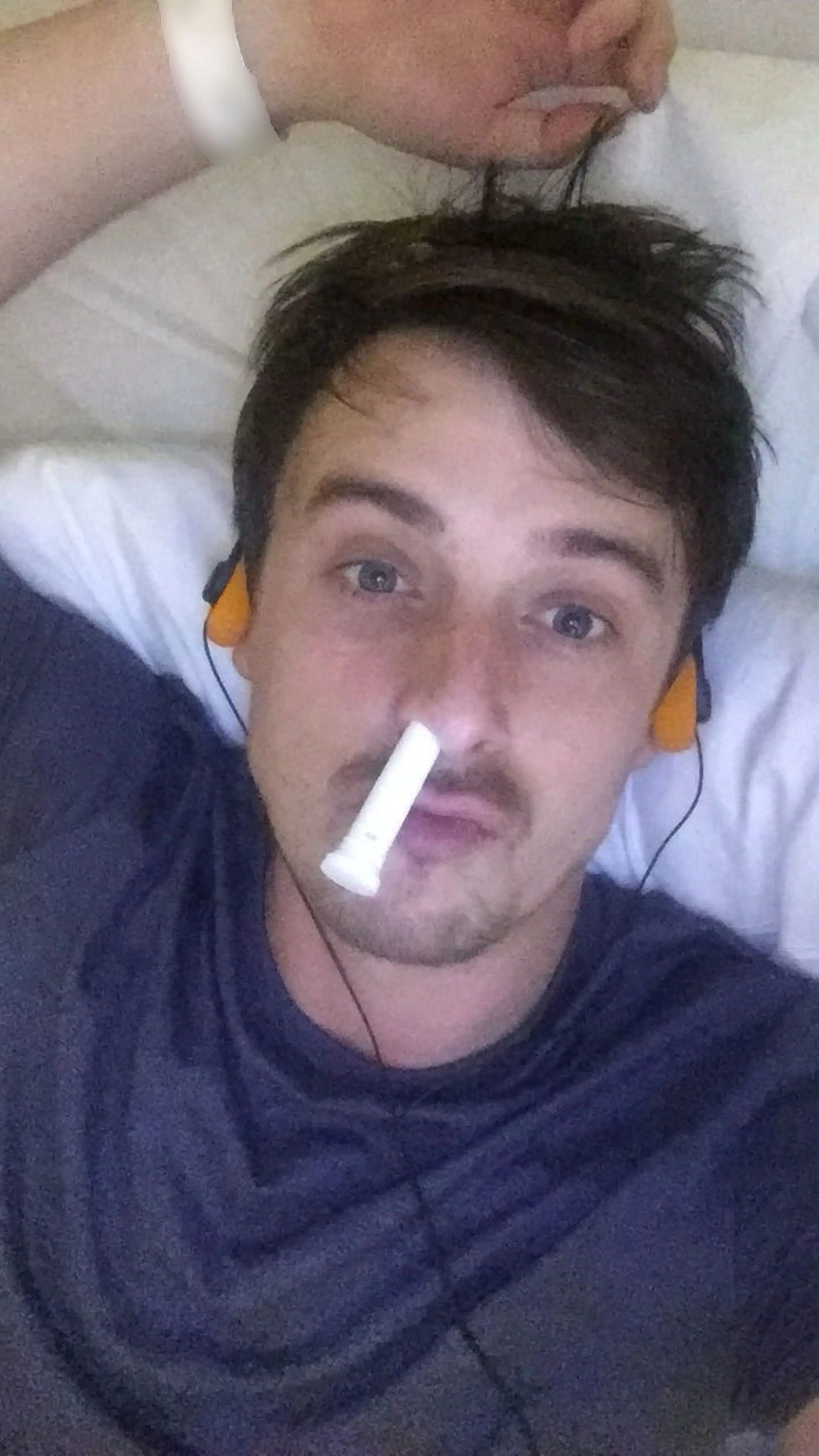
Despite doctors claiming he was too young at 26 to develop cancer, Hamill learned that the ‘death smell’, alongside the swollen tip and excruciating pain he was feeling, was actually penile cancer.
According to Macmillan Cancer Support, around 700 people in Britain are diagnosed with penile cancer every year.
Meanwhile, the American Cancer Society says the disease is diagnosed in fewer than one in 100,000 men each year in the US. However, it estimates that around 2,260 new penile cancers will be diagnosed in 2026.
"I was really lucky that I was well endowed"
Hammil only learned of his diagnosis after being rushed to A&E by his brother, who found him passed out in his car in a pool of blood.
The food industry worker was then transferred to a specialist unit at The Christie NHS Foundation Trust in Manchester, where he was diagnosed with penile cancer in April 2019.
Before being given the all-clear three months later, the Cheshire resident underwent a circumcision and had ‘half’ of his penis removed.
As a result, the man’s penis length went from eight inches to four.

“I was really lucky that I was well endowed because if I was average I would have gone down to about one or two inches and that functionality isn't really there anymore,” he joked.
“It's never been an issue with anyone I've dated but it's more me adapting and learning new things.
“I've got a whole new tool to figure out how to function because it's completely different.”
"Don't leave it too late"
Seven years on from diagnosis and his partial penectomy, Hammil, now 33, is in remission and has become a dad.
“I was told I would never have kids because the surgery happened on my urethra, and I now have a four-year-old boy,” he said, having welcomed his son in 2022.
“Everything is still functional and I can still have kids.”

However, Hammil admitted that when it comes to intimacy, he sometimes gets in his own head.
“[I] think 'she's going to think it [my penis] looks really weird'. I get self conscious all the time,” he confessed.
Hammil, who said it has taken him ‘years’ to get over his penis size, said that if anybody else has a fleeting feeling that something is wrong with their body, then they should see an expert.
“The best advice I could give would be if anything doesn't feel right, don't be embarrassed and see if it goes away. Reach out, even if it's to me online, and I could guide you, but 100% reach out and don't leave it too late.”
What are the symptoms of penile cancer?
According to the NHS, most cases of the disease 'affect the skin covering the penis (foreskin), or the head or tip (glans) of the penis'.
The most common symptoms of penile cancer include:
- A growth, lump or sore that does not heal within four weeks
- A rash
- Bleeding
- Smelly discharge
- Having difficulty pulling back your foreskin
- Unexplained skin color changes
Meanwhile, other symptoms can include:
- Lump in the groin
- Tiredness
- Pain in the tummy
- Losing weight without trying
If you’ve been affected by any of these issues and want to speak to someone in confidence, contact the American Cancer Society on 1-800-227-2345 or via their live chat feature, available 24/7 every day of the year.
 Ella Scott