14 ways to ward off dementia, according to a doctor

It has been estimated that 42 percent of Americans will develop dementia after the age of 55 – but there are ways people can stop this from happening.
Dementia affects millions of people in the US and across the globe. With the country being one of many to have an aging population, it means illnesses like dementia are becoming more prevalant.
While some forms of dementia are hereditary, most of them aren't. In fact, a major report published in The Lancet in 2024 suggested that 45 percent of dementia cases worldwide are potentially preventable or postponable by addressing 14 modifiable risk factors.
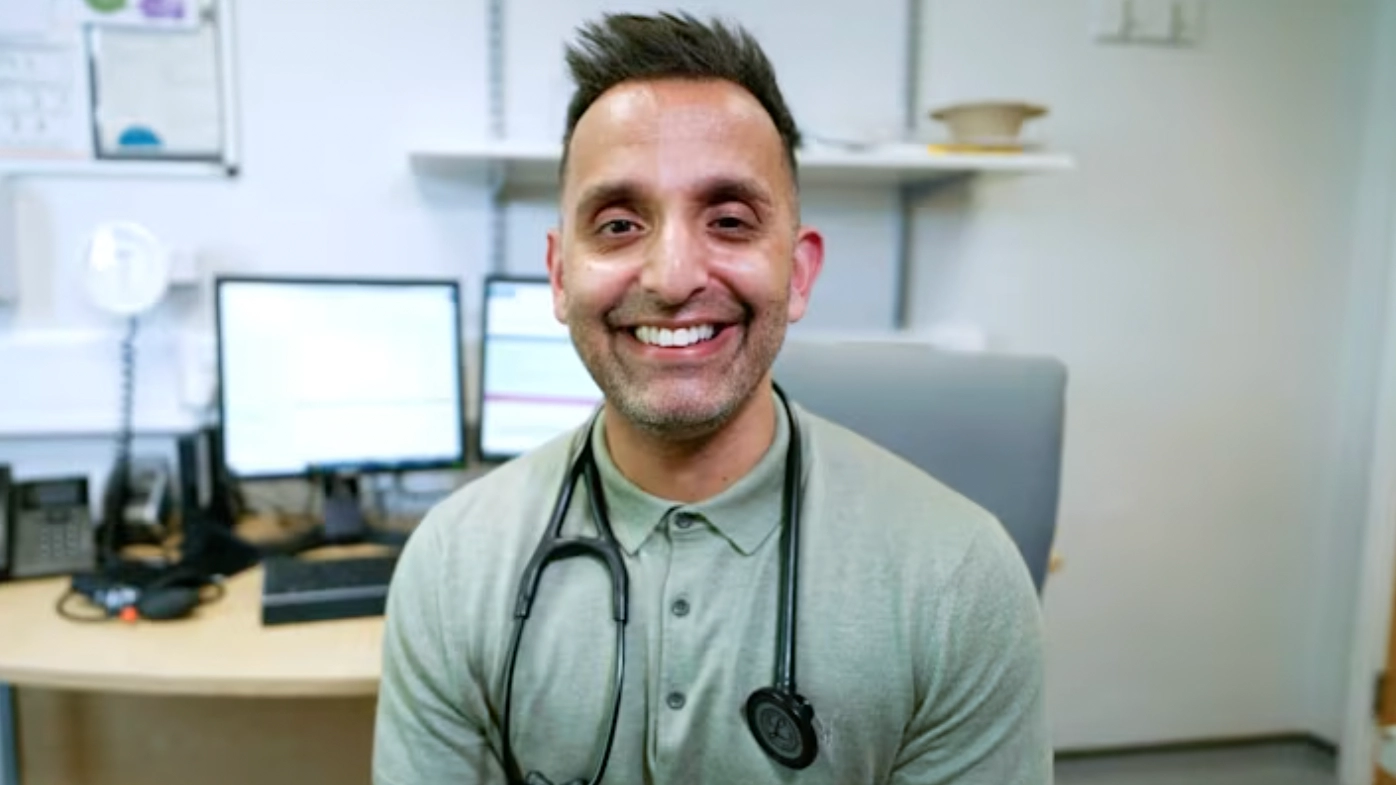
Now, Dr Amir Khan has broken down some of the ways you can prevent getting dementia – and a lot of them are pretty straight forward.
1) Keep learning
"Education and keeping your brain cognitively stimulated throughout life helps build, build what we call cognitive reserve," Dr Amir explained.
Advert
"Read, learn a language, do a course, write by hand. Keep your brain at work."

2) Look after your hearing
Dr Amir called described hearing loss as 'one of the biggest potentially modifiable risk factors'.
"Get your hearing checked, and if you need them, wear your hearing aids," he insisted.
Backing his remarks, British charity Alzheimer's Society says that those develop hearing problems during mid-life (aged 40–65) may have an increased risk of developing dementia.
The charity further noted that someone experiencing hearing loss doesn't mean they're certain to develop dementia.
3) Look after your cholesterol
"High LDL [low-density lipoprotein], the so-called bad cholesterol, particularly from midlife onwards, is now recognized as a dementia risk factor," Dr Amir stated.
LDL contributes to atherosclerosis (hardening of the arteries) and blood vessel damage in the brain, which is why it's important to keep this type of cholesterol in your body low.

4) Treat depression
According to Stanford Health there are several hypothesis when it comes to dementia and depression being linked, one being the idea that 'inflammatory changes in the brain that accompany mood disorders might make it more likely for dementia to develop'.
With this in mind, Dr Amir says that people who believe they may be struggling with the mental health condition get checked out.
He said: "Your mental health and your brain health are connected. Depression is associated with an increased risk of dementia, so please seek help if you're struggling."
5) Protect your head
"Head injuries increase dementia risk," warned Dr Amir. "Helmets on bikes, seat belts in cars, and reducing your risk of falls all matter."
One of the main reasons head injuries can increase a person's risk of developing dementia is because can trigger abnormal clumping of brain proteins, which are also found in Alzheimer's disease.

6) Move regularly
According to Dr Amir, regular physical movement is one of 'the best things you can do for your body and brain'.
A study by Johns Hopkins Bloomberg School of Public Health found that doing as little as 35 minutes of moderate to vigorous physical activity per week (compared to 0 a week) was associated with a 41 percent lower risk of developing dementia over an average four-year follow-up period.
7) Don't smoke
It's not new information that smoking isn't good for you for numerous reasons, but it's liked to increased dementia risk too.
If you've already taken up smoking, Dr Amir said it's never too late to quit. He shared: "Here's the good news, stopping smoking is beneficial even in later life."
8) Taking care of your blood pressure
If you experience high blood pressure – particularly in midlife – it can increase your risk of developing dementia, says Dr Amir.
Simple things you can do to keep blood pressure down include following a balance diet, cutting back on salt, eating more potassium, and limiting alcohol and caffeine intake.

9) Prevent or manage your diabetes
"What's good for your blood vessels is generally good for your brain, and managing your blood sugar is good for both," said Dr Amir.
Harvard Health states that Alzheimer's (the most common type of dementia) shares molecular and cellular features with diabetes.
"For example, insulin plays a critical role in the formation of amyloid plaques, and insulin is also involved in the phosphorylation of tau, which leads to neurofibrillary tangles," the website explains.
"In other words, whereas insulin resistance in the body can lead to type 2 diabetes, insulin resistance in the brain can lead to the plaques and tangles of Alzheimer’s disease."
10) Maintain a healthy weight
Dr Amir said: "Obesity in midlife is another potentially modifiable risk factor."
A study released earlier this year found that 'high body mass index (BMI) and high blood pressure are direct causes of dementia', per Endocrine Society.
As a result of the findings, study author Ruth Frikke-Schmidt, M.D., Ph.D., Professor and Chief Physician at Copenhagen University Hospital - Rigshospitalet and the University of Copenhagen in Copenhagen, Denmark, said the treatment and prevention of high BMI and blood pressure 'represent an unexploited opportunity for dementia prevention'.
11) Don't drink too much alcohol
"Heavy alcohol consumption is associated with increased dementia risk," Dr Amir stated in his Instagram video.
Even moderate drinking can increase your risk of dementia, one study found. The study from 2024 suggested that there's 'no safe level of alcohol consumption for dementia' after previous reports over the years said that light or moderate drinking actually decreased somebody's risk of getting dementia.
Numerous studies, including this one from 2024, have since challenged this.

12) Stay socially connected
"You know I'm a big fan of this one," Dr Amir began. "Whether it's friends, family, neighbors, community groups, social connection isn't a luxury. It's not a luxury."
"It's part of looking after your brain," he added.
13) Reduce air pollution exposure
Dr Amir says you should aim to 'reduce your exposure to air pollution where you realistically can'.
"Some of this needs governments and policy change, of course," he continued. "We can't individually fix the air we breathe, but going into green spaces can help."
According to The University of Cambridge, there are three pollutants in particular people should be wary of: soot, nitrogen dioxide, and particulate matter with a diameter of 2.5 microns or less (which is 'a pollutant made up of tiny particles small enough that they can be inhaled deep into the lungs').
14) Look after your eyes
"Untreated vision loss, same as hearing loss, is associated with dementia risk, so get your eyes checked and treat problems when you can," said the healthcare professional to his 1.1 million followers.
"I don't want to see you all squinting to look at things," Dr Amir added.
If you've been affected by any of the issues in this article and would like to speak with someone in confidence, the Alzheimer’s Association has a 24/7 helpline you can call on 800.272.3900. Alternatively there are other ways to contact the organization via their website.
 Niamh Shackleton