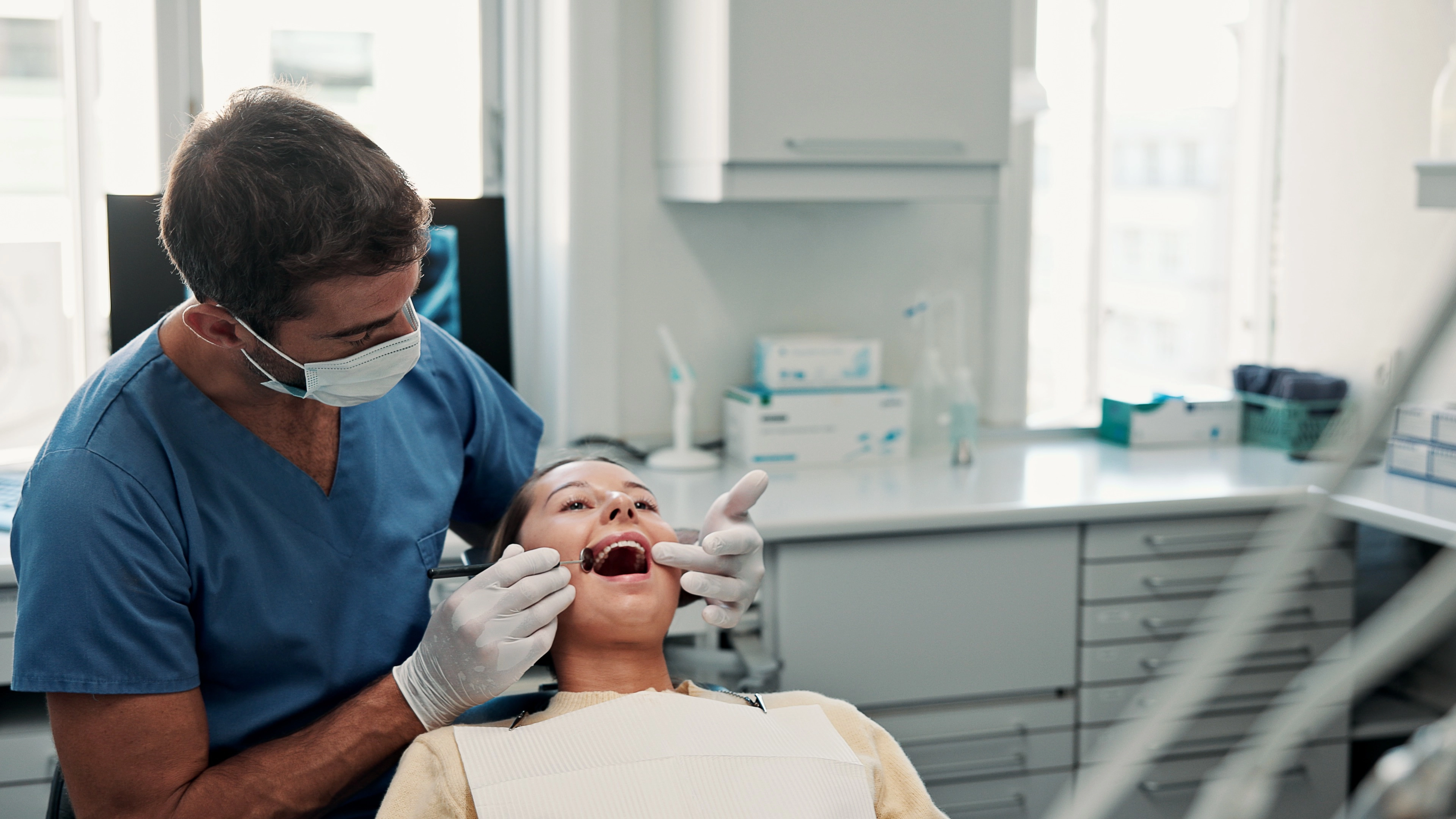
Dentist explains how to avoid 'Ozempic teeth' and shares alarming symptoms to look out for

Weight-loss jabs like Ozempic might be helping people slim down, but dentists are now warning it could be bad news for your smile.
From yellowing teeth to persistent bad breath, experts say a growing number of patients are showing signs of what’s being dubbed ‘Ozempic teeth’.
Approximately 15 million American adults currently use GLP-1 medications (such as Ozempic, Wegovy, and Mounjaro).
Overall, roughly 12% of U.S. adults report having used these drugs to lose weight or treat conditions like diabetes and heart disease, making the U.S. the leader in the global anti-obesity drug boom.
Advert
Speaking to the Daily Mail. cosmetic dentist Dr Affan Saghir said the issue isn’t the drug directly damaging your teeth, but the knock-on effects it has on your body.
GLP‑1 medications like Ozempic are widely seen as safe and effective when prescribed properly.

What are the side effects of Ozempic?
However, they can slow digestion and suppress appetite, which can trigger side effects like acid reflux, vomiting, dehydration and dry mouth. And that’s where the problems start.
When there’s less saliva in your mouth, your teeth lose a key line of defence.
Saliva helps protect enamel by delivering essential minerals like calcium and fluoride, without it, your teeth are far more vulnerable to decay and damage.
At the same time, stomach acid creeping up into the mouth can gradually wear away enamel, exposing the darker, sensitive layers underneath.
As Dr Affan explains: “Ozempic teeth isn’t the drug directly attacking your teeth, it’s the environment it creates.”
He added that a mix of dehydration, dietary changes and nausea can create the ‘perfect storm’ for dental problems if it’s not managed properly.
Dr Affan shared the ways that you can make sure you don't get Ozempic Teeth.
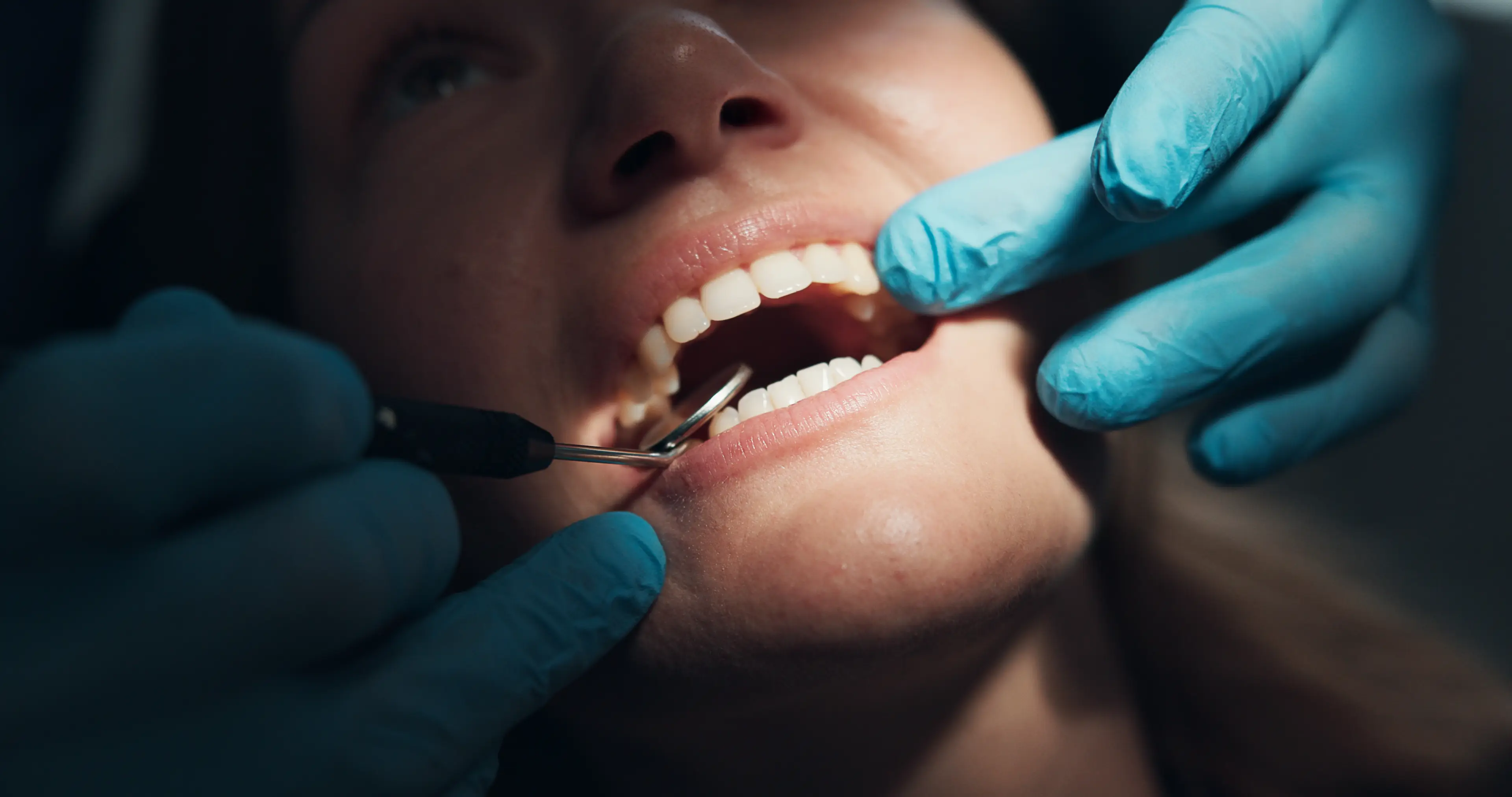
First things first, don’t keep your medication a secret.
Dentists won’t diagnose ‘Ozempic teeth’ instantly, but they can spot early warning signs like sensitivity, erosion or gum issues.
“Patients should feel able to tell their dentist what they’re taking,” says Dr Affan. “We’re here to help, not judge.”

Stay hydrated - even if you’re not hungry
Because these jabs blunt your appetite, it’s easy to forget to eat and drink properly.
But not drinking enough can lead to dry mouth, which increases the risk of decay and bad breath.
Regular sips of water throughout the day can help keep your mouth moist and your teeth protected.

Use fluoride toothpaste properly
Brushing twice a day is key, but how you finish matters too.
Dr Affan recommends spitting out your toothpaste after brushing, rather than rinsing straight away.
That’s because rinsing washes away the fluoride, which helps strengthen enamel and repair early damage.
Don’t brush straight after being sick
If you experience nausea or vomiting, resist the urge to grab your toothbrush immediately.
Acid from your stomach can temporarily weaken enamel, meaning brushing straight away could actually cause more harm.
Instead, rinse your mouth with water first and wait around an hour before brushing.

Chew sugar-free gum
It might sound surprising, but sugar-free gum can actually help.
Chewing it stimulates saliva production, which naturally protects teeth and helps repair minor damage.
It’s a simple way to combat dry mouth and freshen your breath at the same time.

Be careful with ‘low-calorie’ drinks
Diet fizzy drinks, protein shakes and even fruit juices might seem like safer options - but they’re often highly acidic.
That acid can wear down enamel over time, especially if you’re sipping them throughout the day.
Experts recommend sticking to water between meals and keeping acidic drinks to a minimum.
Don’t ignore the warning signs
If you notice changes like sensitivity, yellowing teeth, bleeding gums or bad breath after starting weight-loss medication, don’t brush it off.
“The earlier we catch it, the easier it is to manage,” Dr Affan says.
A quick trip to the dentist could help prevent long-term damage, and keep your smile looking its best.
Novo Nordisk have been approached for comment
 Thomas Bamford