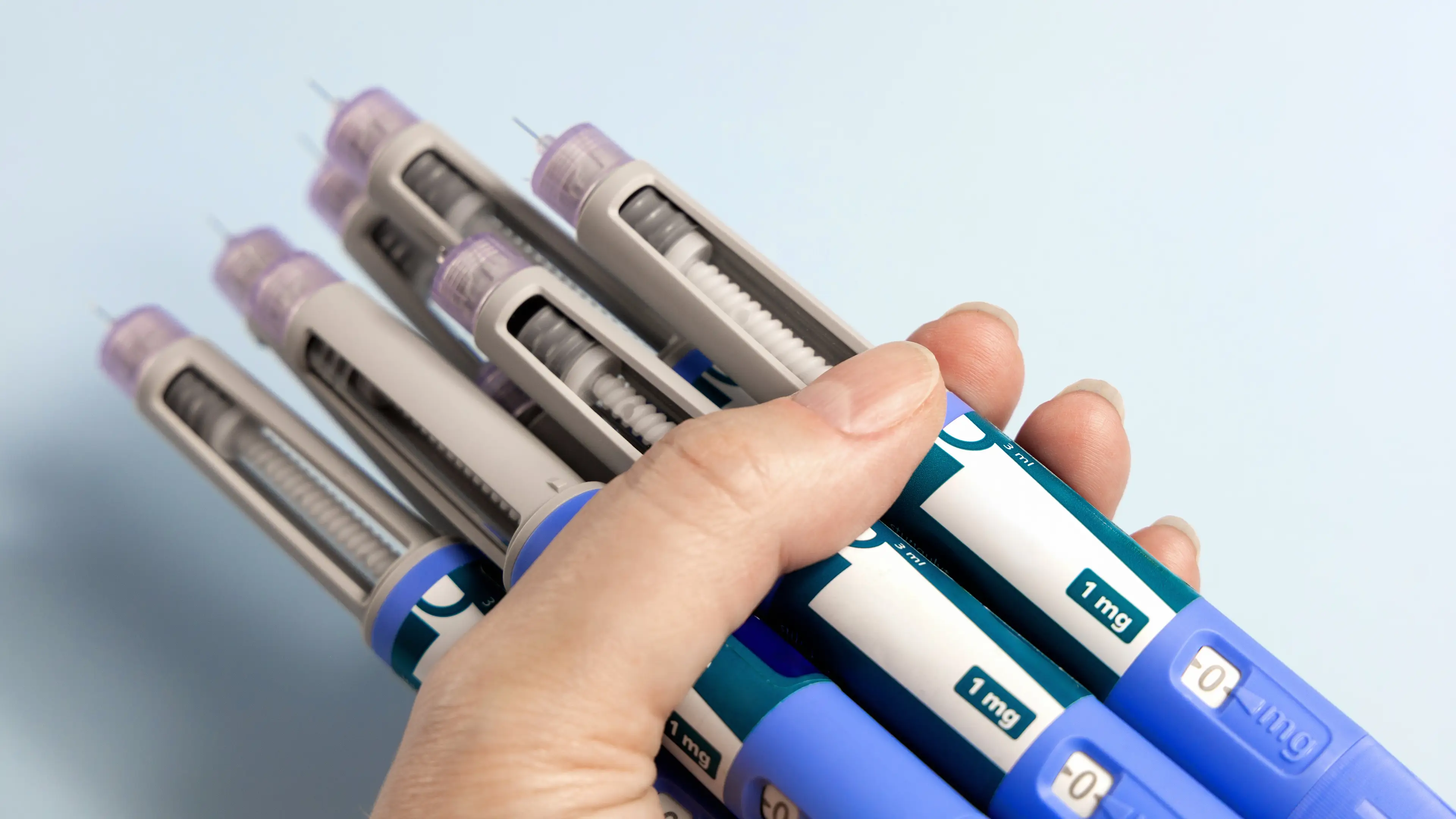
Scientist explains how Ozempic can reduce alcohol, drug and gambling addictions

The innovation of GLP-1 based drugs like Ozempic, or Mounjaro and Wegovy, are already helping millions of people around the world to break a lifetime of eating habits, but they could be used for something even more radical.
More than 100,000 Americans die every year as a consequence of drug or alcohol addiction, a figure which barely scratches the surface of the impact that substance abuse has on families and communities in all 50 states.
But these innovative drugs that help people to manage diabetes and lose weight may also help to break the chain of substance addiction, according to research carried out at the Washington University School of Medicine in St Louis.
And the most astonishing thing about this study wasn't that certain addictions can be cracked using GLP-1 drugs, it was that the medication worked 'against all major substances', according to the study's senior author Ziyad Al-Aly, MD.
Advert
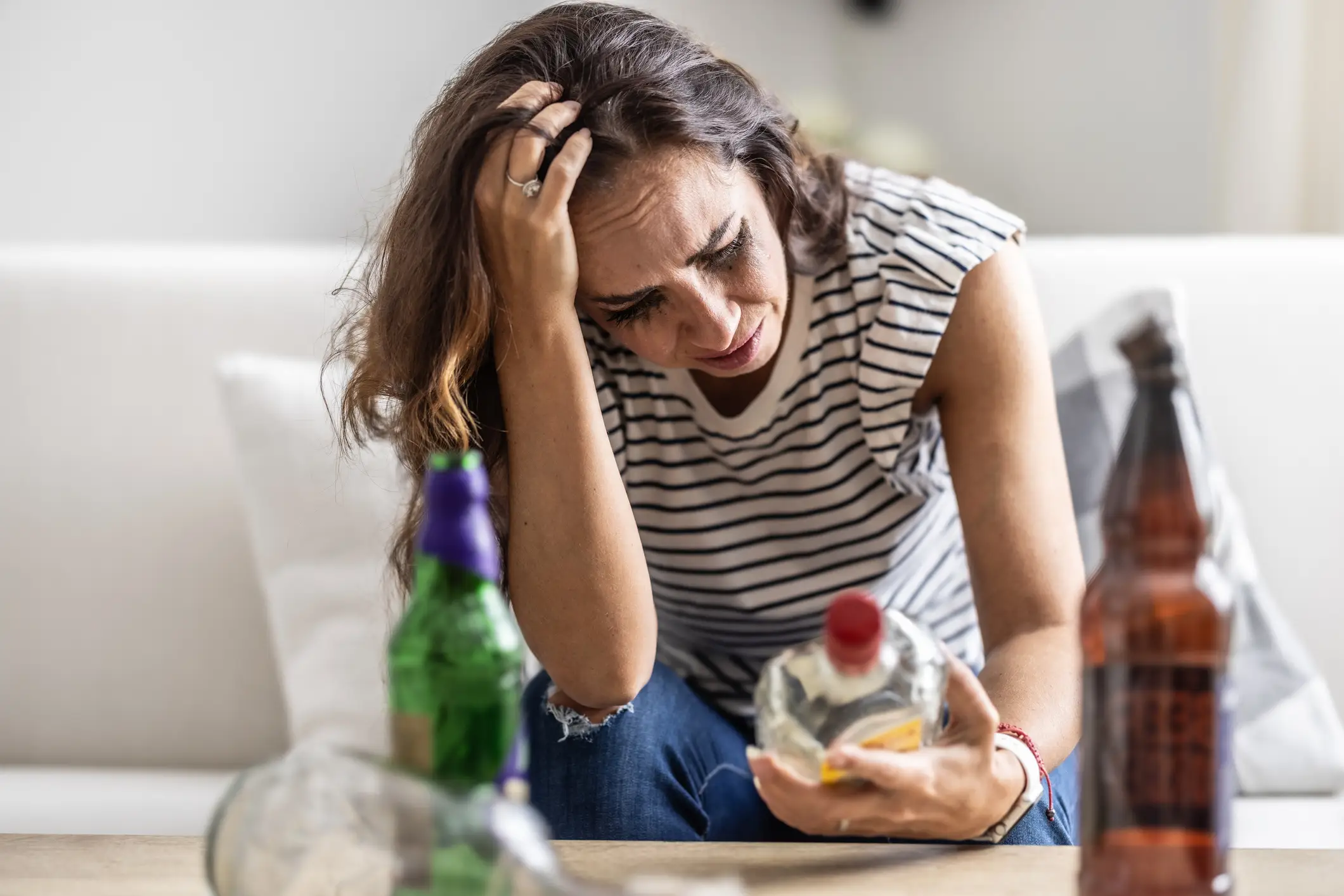
The scientist explained: “In addiction medicine, a lot of treatments target just one thing — for example, a nicotine patch helps with smoking, but not alcohol — but there is no medication that works across addictive substances, let alone all of them.”
Well, that is until his team in St Louis analyzed the outcomes of over 600,000 US military veterans with type 2 diabetes, to follow up on previous observational studies and first-hand claims from those on GLP-1 medications that indicated a lower risk of addiction or death relating to drug use.
The team found that veterans on GLP-1s suffered drastically fewer overdoses, as well as fewer visits to the emergency room, hospitalizations, and even suicide attempts.
Dr Al-Aly, who is also Chief of Research and Development at the VA Saint Louis Health Care System, said: “The revelation about GLP-1 medication is that it really works against all major substances."
Explaining exactly how a diabetes and weight loss drug can break the chain of addiction, he added: "It works uniformly, not because it acts against alcohol or opioids or nicotine specifically, but because it is likely acting against the craving itself. It blunts that craving that pulls people toward whatever they’re addicted to.”
The scientist had been inspired to explore the interaction between GLP-1 drugs and addiction after many of his patients reported that they had reduced, or stopped entirely, their tobacco or alcohol use as a side effect of their treatment.
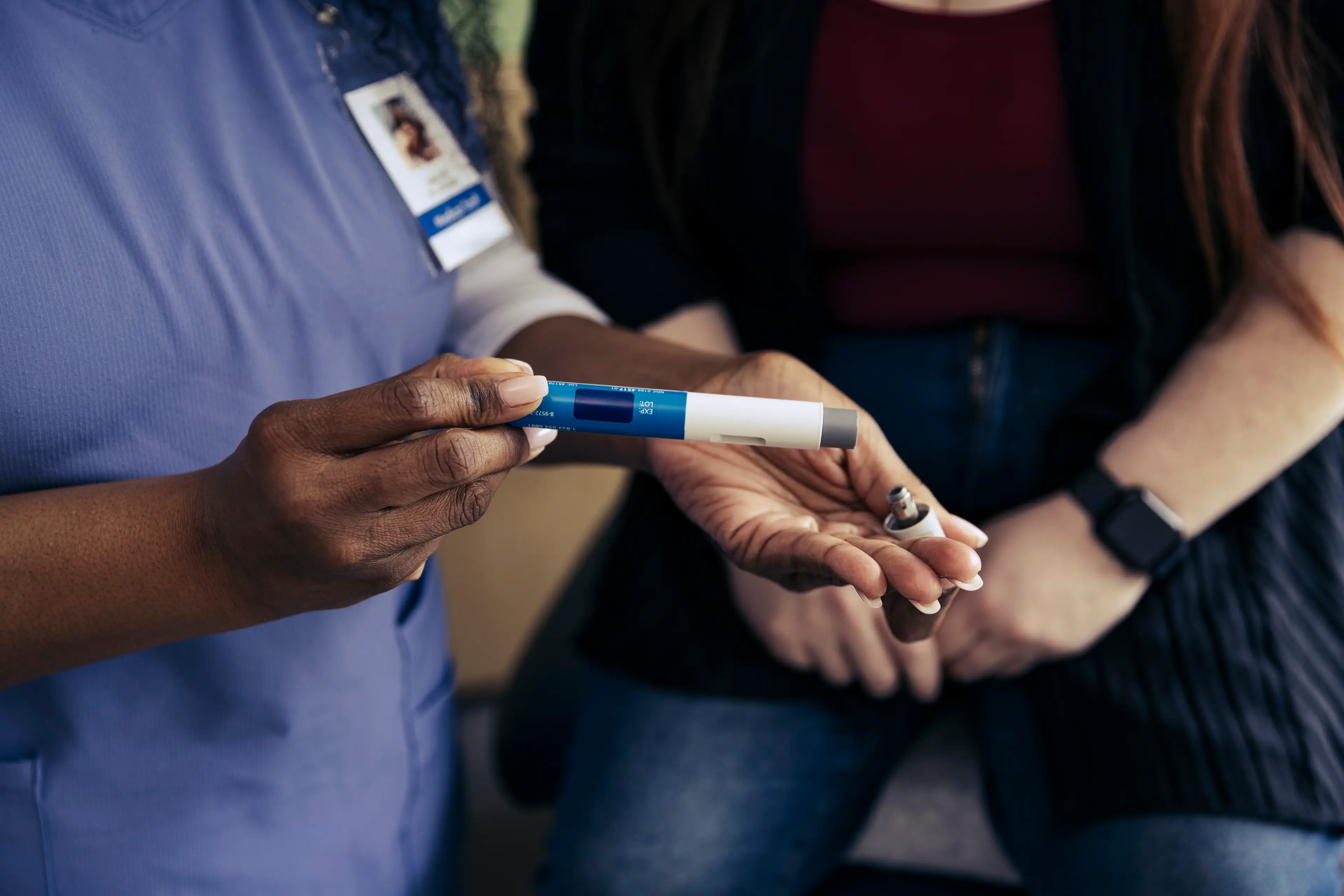
Al-Aly wondered if GLP-1s could even be used to treat addictions for which there are no current pharmaceutical treatments, like methamphetamine addictions.
Explaining why these drugs do this, he said: “What our study suggests is something broader: GLP-1 drugs may also quiet what I call ‘drug noise,’ the relentless craving that drives addiction across substances.
"That cross-substance signal points to a shared biology underlying addiction, and it opens the door to a fundamentally different approach: not treating one addiction at a time, but targeting that common biologic signal, that common craving across addictions. Moving beyond food noise to drug noise, GLP-1s are quieting the roar of addiction.”
Without any other steps to curb their drug or alcohol problems, veterans in the study saw their risk of becoming addicted fall by the following: 18 percent for alcohol, 14 percent for cannabis, 20 percent for cocaine and nicotine, and 25 percent for opioids.
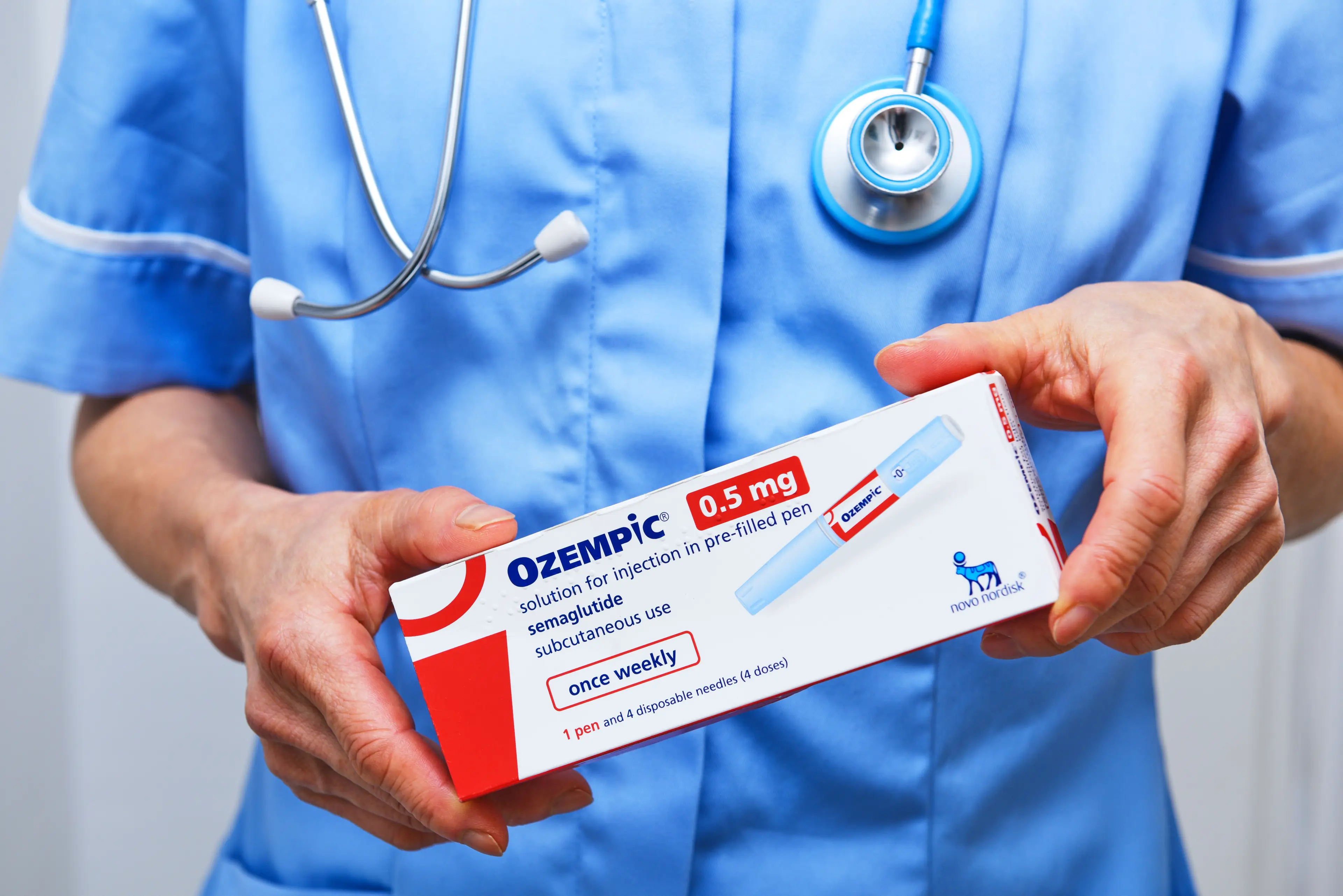
But while this large-scale study's findings are encouraging in a field where most treatments are for people who have already suffered a traumatic medical episode, like the use of Narcan for opioid overdoses, GLP-1s are not currently approved to treat addiction.
A spokesperson for Novo Nordisk, the manufacturers of , said: "Currently, Novo Nordisk is not conducting any dedicated clinical studies to evaluate the marketed semaglutide products (Ozempic®, Rybelsus® and Wegovy®▼) in patients with substance use disorders or addiction-related illnesses.
"GLP-1 RAs are known to affect areas of the brain associated with controlling hunger and satiety and these are also home to the brain's reward system."
The pharmaceutical company noted that Wegovy® (semaglutide 2.4 mg) lowered food cravings and improved craving control in a subgroup analysis of STEP 5 clinical trial, as well as that some animal-based tests have been carried out on addictive disorders, but that they had not 'provided any conclusive evidence'.
The spokesperson added: "This is not a licensed indication, and Novo Nordisk does not recommend use of Semaglutide for substance abuse or addiction related disorders."
Topics: Ozempic, Mounjaro, Mental Health, Drugs, Health
 William Morgan