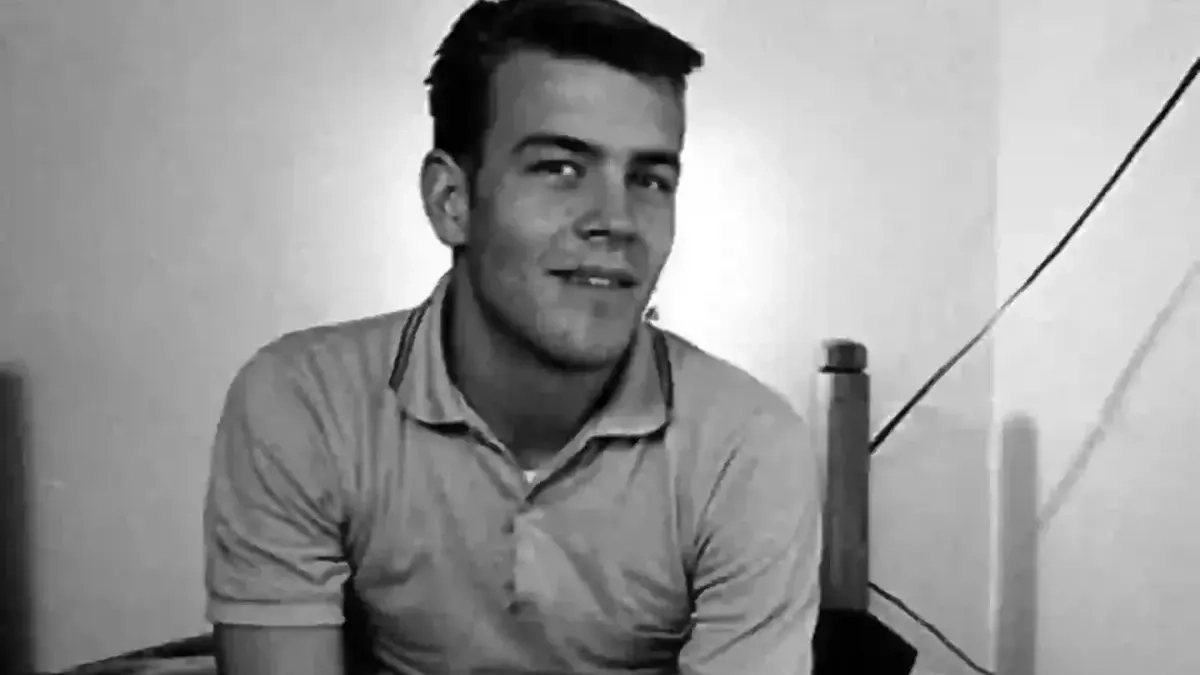
Man who didn't sleep for 264 hours suffered from crippling effects for years

Back in December 1963, 17-year-old Randy Gardner and his friends Bruce McAllister and Joe Marciano needed to come up with an idea for their science fair project, and after putting their heads together, they landed on something genuinely ambitious: they wanted to smash the world record for staying awake.
At the time, the record was held by a radio DJ in Honolulu, Hawaii, who had managed to stay up for a staggering 260 hours.
Randy, a self-described science nerd, was determined to make his mark at the 10th Annual Greater San Diego Science Fair. He reckoned he could go even further and beat the record at the time.
Their aim was to figure out what happens to the brain when we don't sleep - although the plan had a slightly different starting point.
Advert
"We were idiots, you know young idiots," Bruce McAllister recalled to the BBC.
"The first version of it was [to explore] the effect of sleeplessness on paranormal ability. We realized there was no way we could do that and so we decided on the effect of sleep deprivation on cognitive abilities, performance on the basketball court. Whatever we could come up with."
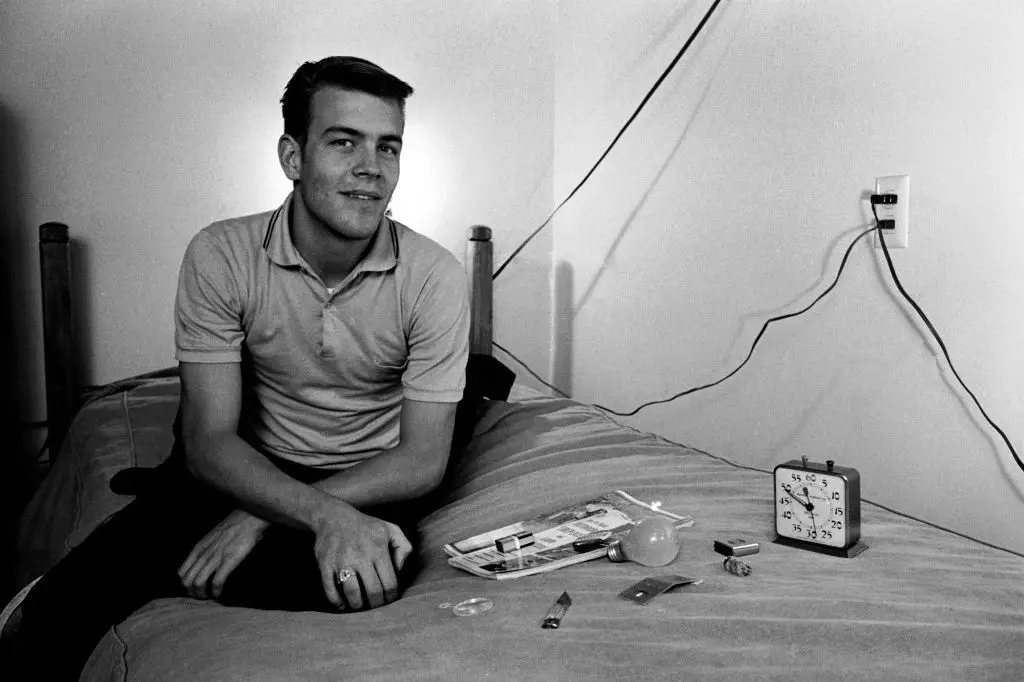
Who was Randy Gardner and why did he not sleep for seven days?
A coin toss decided who had to do the suffering, and Gardner lost. Or won, depending on which way you look at it.
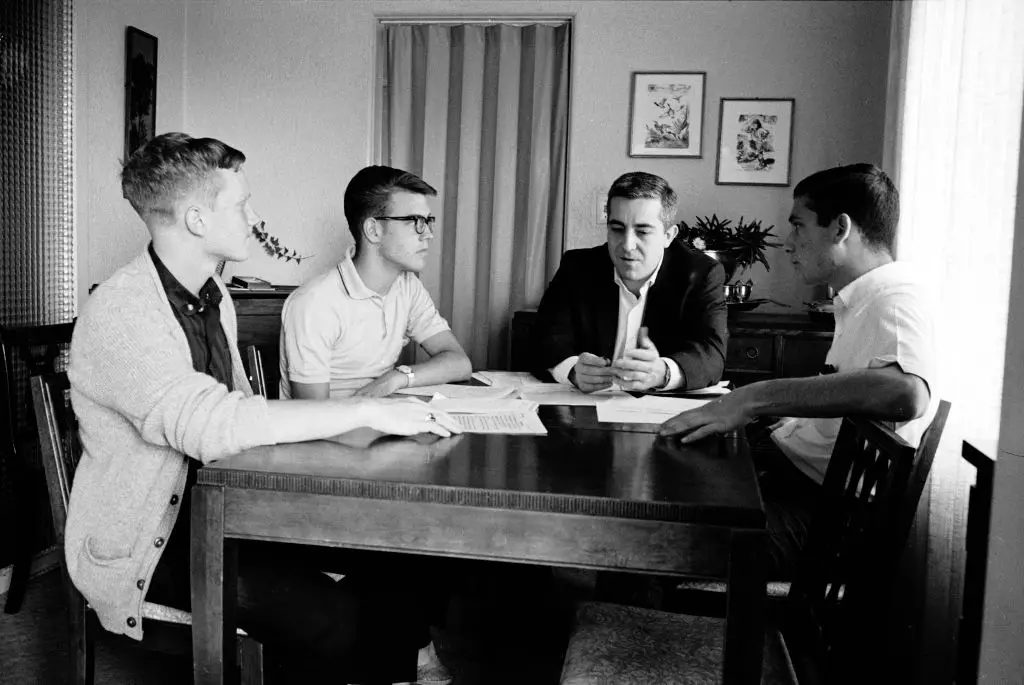
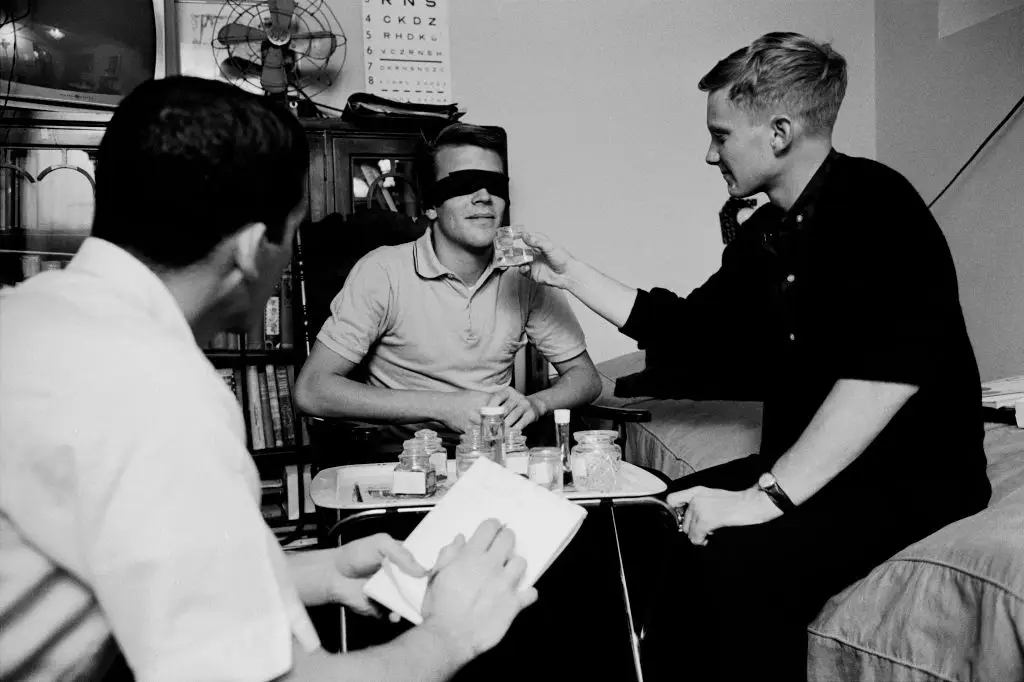
As news of the experiment spread, renowned Stanford sleep researcher Dr William C.Dement traveled to San Diego to observe the attempt first hand.
Randy's health was also monitored by Lt. Cmdr. John J Ross throughout the experiment.
Understandably Randy's parents were terrified. "They were very worried that this might be something that would be really harmful to him," Dr Dement told the BBC.
"Because the question was still unresolved on whether or not if you go without sleep long enough you will die."
It's no secret that sleep deprivation has dire effects on your body, including memory issues, risk of heart disease, poor balance and high blood pressure.
Gardner got off to a confident start on the first two days, with him staying away from beds and trying to stand up as much as possible, but things quickly took a dark turn.
By day three, Randy was 'really nauseous', according to reports by NPR.
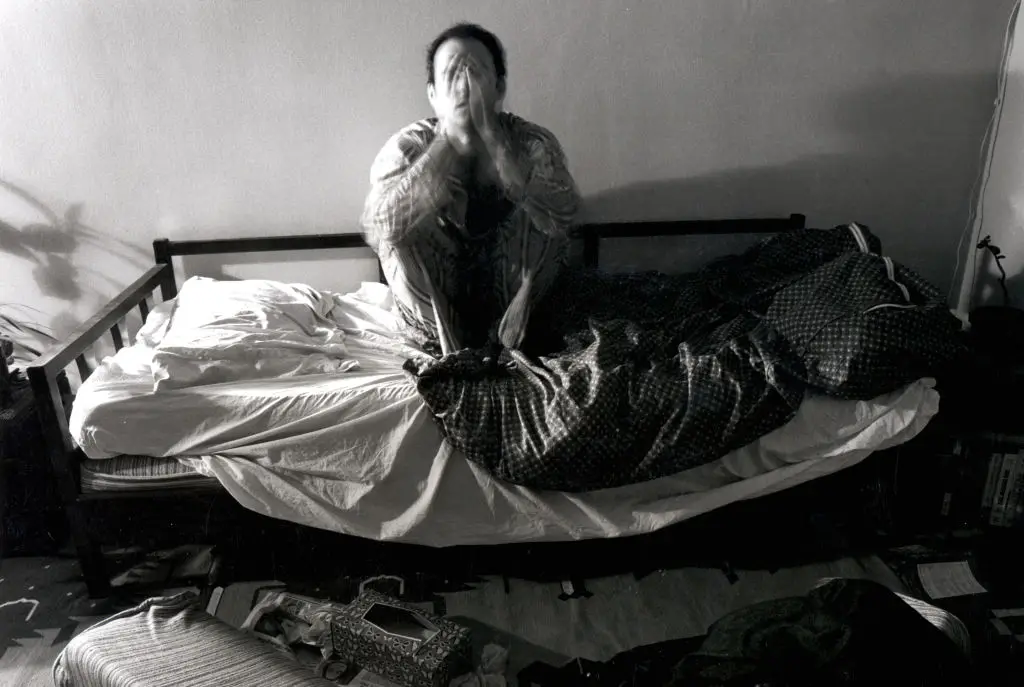
What happens to your brain when it's sleep deprived?
Moodiness, concentration issues, short-term memory loss, paranoia and even hallucinations followed shortly after.
"He was physically very fit, so we could always get him going by playing basketball or going bowling, things like that. If he closed his eyes he would be immediately asleep," Dr Dement said.
Interestingly, brain scans later revealed something remarkable; Randy's brain had essentially been catnapping the whole time.
Different parts of the brain were taking turns sleeping while others stayed awake and active. While he played basketball, the analytical parts of his brain appeared to 'nap', when he was solving maths problems, the part responsible for quick reactions seemed to switch off.
How long did Randy Gardner stay awake for?
At 2am on January 8th 1964, Randy officially broke the record. He had been awake for 11 days straight, 264 hours, a new Guinness World Record.
On that final day, Randy admitted that he 'had a very short fuse', recalling snapping at reporters who kept asking him the same questions.
After the experiment was wrapped up, Randy was taken to a nearby naval hospital where doctors hooked him up to a electroencephalogram machine to observe his brain ways.
Medically, he was perfectly healthy.
Thankfully, and finally, he then went to sleep.
He told NPR: "I slept just over 14 hours. I remember when I woke up, I was groggy, but not any groggier than a normal person."
Remarkably, his sleep cycle just went back to normal. He didn't need any extra sleep at all.
Oh, and after all that, Randy, Bruce and Joe scooped first prize at the San Diego Science Fair, so maybe it was worth it after all. Or maybe not, as that's not where the story ends.
Did Randy Gardner suffer any long term effects from sleep deprivation?
Decades later, Randy admits that the experiment came back to haunt him in a brutal way.
Around 1997, he said that he stopped being able to sleep entirely. He would lie in bed for five or six hours, sleep for maybe 15 minutes, then wake up again.
He described himself as 'a basket case'.
"I was awful to be around. Everything upset me. It was like a continuation of what I did 50 years ago," he said.
Randy described his insomnia as a type of karmic payback for the science experiment he pulled off six decades ago. And while the exact cause of his insomnia remains unclear, its a shock reminder that messing with your sleep can have some serious consequences.
As a result of their experiment, Guinness World Records actually stopped accepting new attempts for the sleep deprivation record citing safety reasons. The last official record stood at 18 days and 21 hours. Nobody is encouraged to try and beat it!
Topics: Mental Health, Health, Sleep, Guinness World Records
 Thomas Bamford