Nurse shares simple pillow rule that could help you sleep better when taking GLP-1s

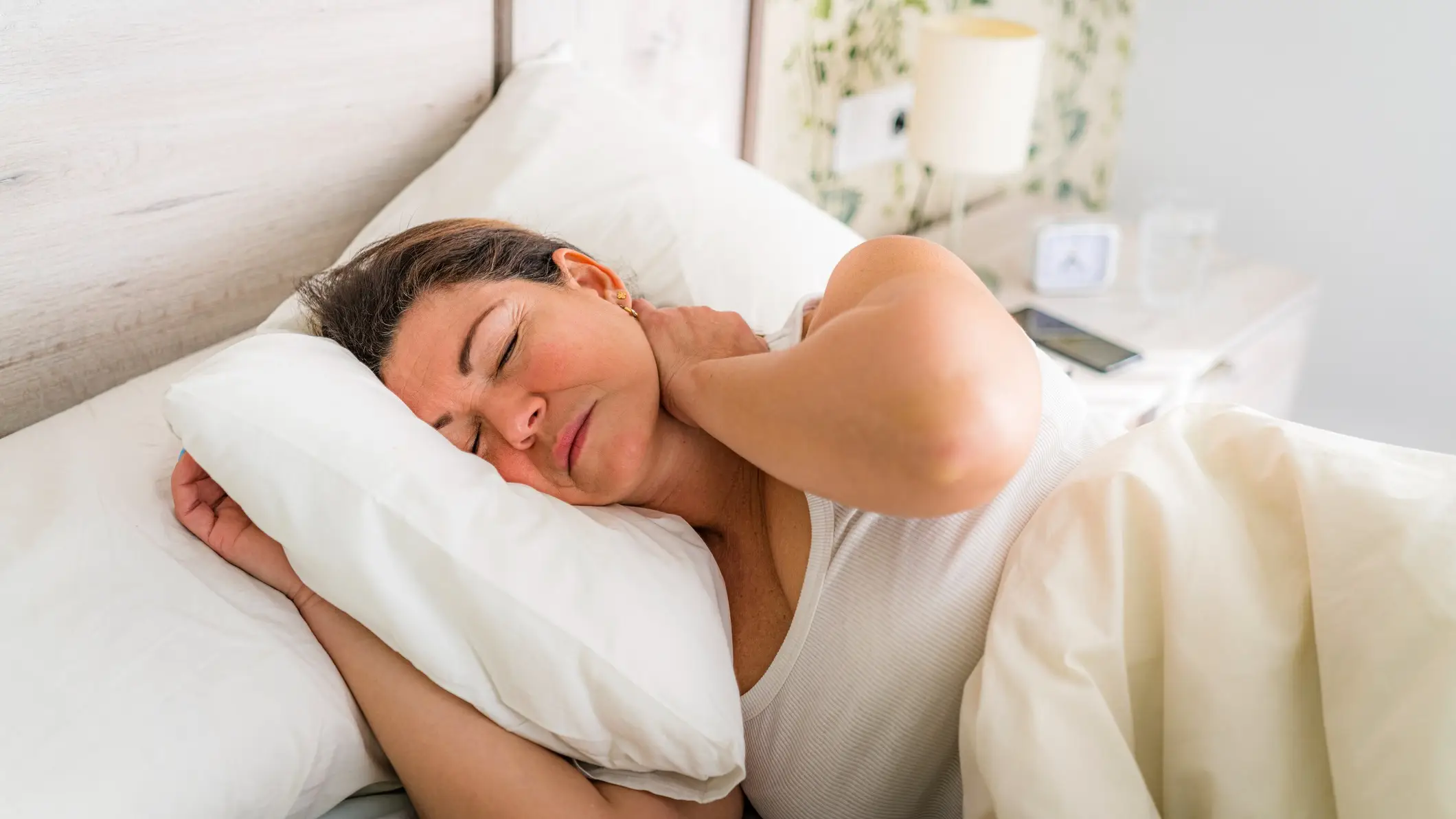
People taking GLP-1 weight loss medications may be able to ease nighttime heartburn by changing how they sleep, according to a nurse practitioner who prescribes the drugs.
Trang Ca Laube, founder of Reclaim Power Telehealth, says sleeping on the left side while keeping the upper body elevated can help reduce acid reflux, a problem she regularly encounters among patients taking these medications.
"I'm a family nurse practitioner who prescribes GLP-1 medications and manages patients on them every week, and sleep is one of the first things that changes, in both directions," Laube explains.
The medications can affect sleep through digestive symptoms, including nausea and heartburn, but some patients may also experience improvements as they lose weight.
Advert

What is the best sleeping position for acid reflux on GLP-1s?
Laube explains that GLP-1 medications slow down how quickly the stomach empties, meaning food can remain there for longer after eating.
"Lie down on a full stomach and acid comes up," she says, identifying nighttime reflux and heartburn as the complaints she hears most often during the early weeks of treatment, particularly after a dose increase.
Her advice is to sleep on the left side and raise the upper body using a wedge pillow or by elevating the head of the bed a few inches.
Lying on the left side helps keep the stomach below the esophagus, making it harder for acid to travel upward. Laube says research on reflux consistently finds that the left side is better than the right.
She also advises against lying flat on the back after a full meal, adding that the right side is the less favorable option for people dealing with reflux.
Nausea can cause further disruption, but Laube says patients should also consider whether they are eating enough throughout the day.
"Some people also eat so little that they go to bed under-fueled and wake at 3 a.m.," she explains. "Which gets blamed on the drug when it's really the empty tank."
How can you sleep better while taking GLP-1 medications?
Laube recommends finishing meals around three hours before bed and making dinner the smallest meal of the day rather than the largest.
Keeping protein in the evening meal is also important, she says, particularly for people who may otherwise go to bed without eating enough.
Drinking water throughout the day, instead of leaving most fluid intake until bedtime, is another practical change she recommends.
For patients whose nausea tends to peak on injection night, adjusting when they take their medication may be worth discussing with their prescriber.
However, Laube stresses that this should be a conversation with a healthcare professional rather than a change patients make independently.
Sleep can also improve during treatment, she explains, as weight loss may reduce snoring and interruptions in breathing.
"On the other side, sleep often improves over time," Laube says. "Less weight means less snoring and fewer breathing interruptions."
Tirzepatide has received US approval for treating obstructive sleep apnea in adults with obesity, while fewer nighttime trips to the kitchen may offer another potential benefit for some patients.
Despite these possible improvements, Laube says ongoing digestive symptoms should not be ignored.
"If reflux persists on a stable dose, or you're waking with a choking or burning sensation, tell your prescriber," she advises. "That's not a side effect to tough out."
Her recommendations underline the importance of distinguishing between symptoms that may respond to changes in bedtime habits and problems that need to be discussed with the professional overseeing treatment.
Topics: Weight loss, Health, Ozempic
 Thomas Bamford