
Health expert issues life-saving warning to people taking these 8 medications during a heatwave

Everyone is suffering in the heat - but there’s some people who need to take extra precaution, especially if they’re taking certain medications.
Although heatwaves have many benefits, there are also a number of dangers that come along with it including dehydration, which is especially dangerous for younger children and the elderly. Not forgetting the risk of sunburn if you don't wear SPF protection and spend too long outside!
However, there's one risk people may not think of during the hot weather - and that's the way they store their medications. As everyone's too busy thinking about their next summer motive, Rhysa Phommachanh, Health Specialist at Landys Chemist, has outlined which eight medications can be affected by the heat.
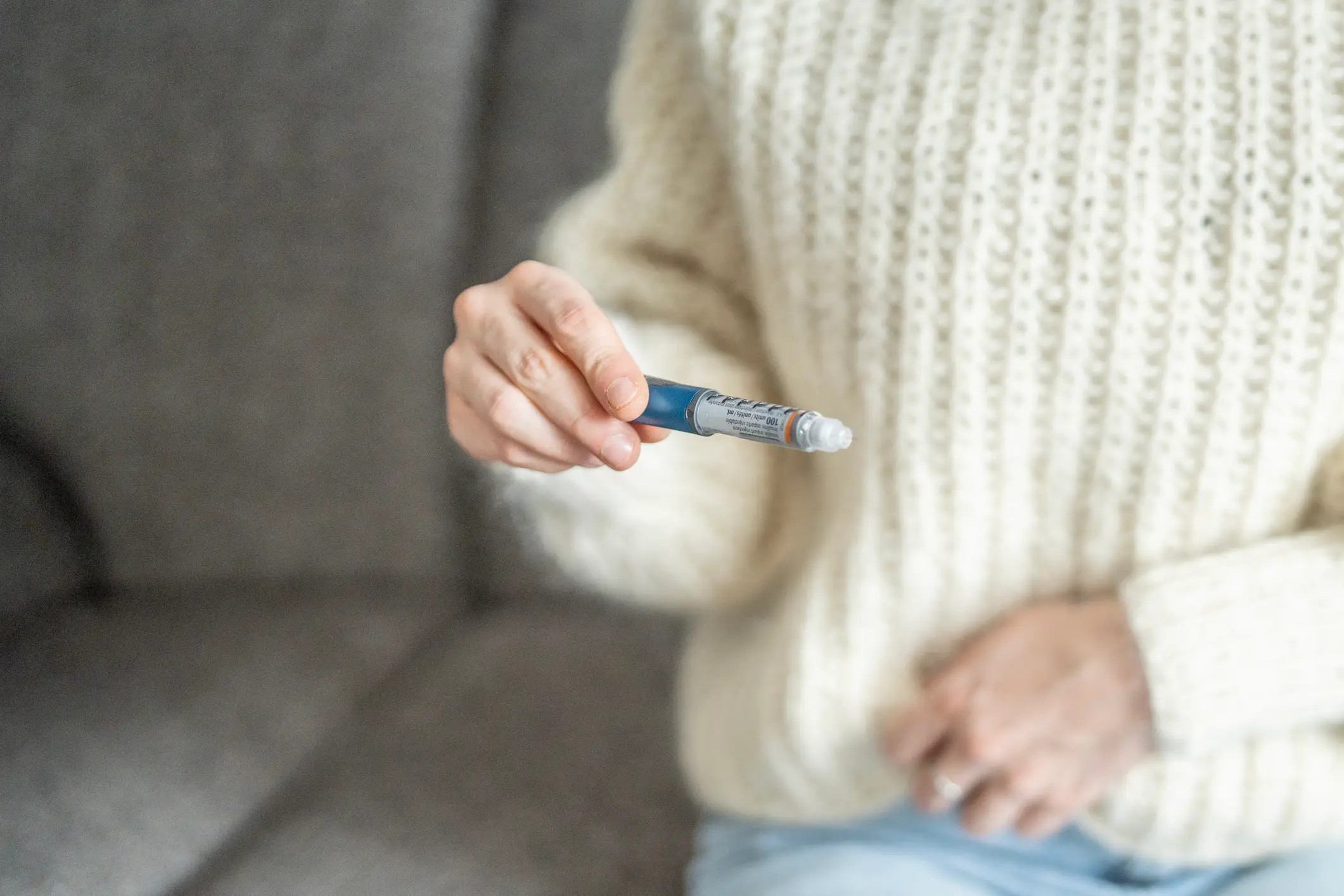
Which medications are affected by warm weather?
- Insulin - When exposed to high temperatures, Insulin, which regulates blood sugar, can degrade, meaning the ability to reduce these levels is reduced.
- EpiPens (adrenaline auto-injectors) - EpiPens are vital for those with life-threatening allergic reactions, but if these are stored above the recommended temperature of 25°C, they may reduce the reliability, which is why it is crucial to keep them in a cool, dry place.
- Inhalers (asthma medication) - Heat is also dangerous for these containers, as pressure changes may affect how the medication is released.
- Antihistamines - The hot weather sees a number of people taking antihistamines for their hayfever, but a side effect of these is less sweating, due to their drying effect. Therefore, it may limit the bodies ability to cool itself in the high temps.
- Antidepressants - A side effect linked to a number of antidepressants is that they can interfere with the brain’s regulation of body temperature and sweating. If this happens, users are at a higher risk of both overheating and heat exhaustion.
- Acne treatments - Used to help those with troubled skin, some treatments, such as retinol, can thin the outer layer of skin, meaning it’s more sensitive to UV light and sunburn.
- Diuretics (water tablets) - Water tablets may also contribute to dehydration, as those taking them will have increased water output.
Advert
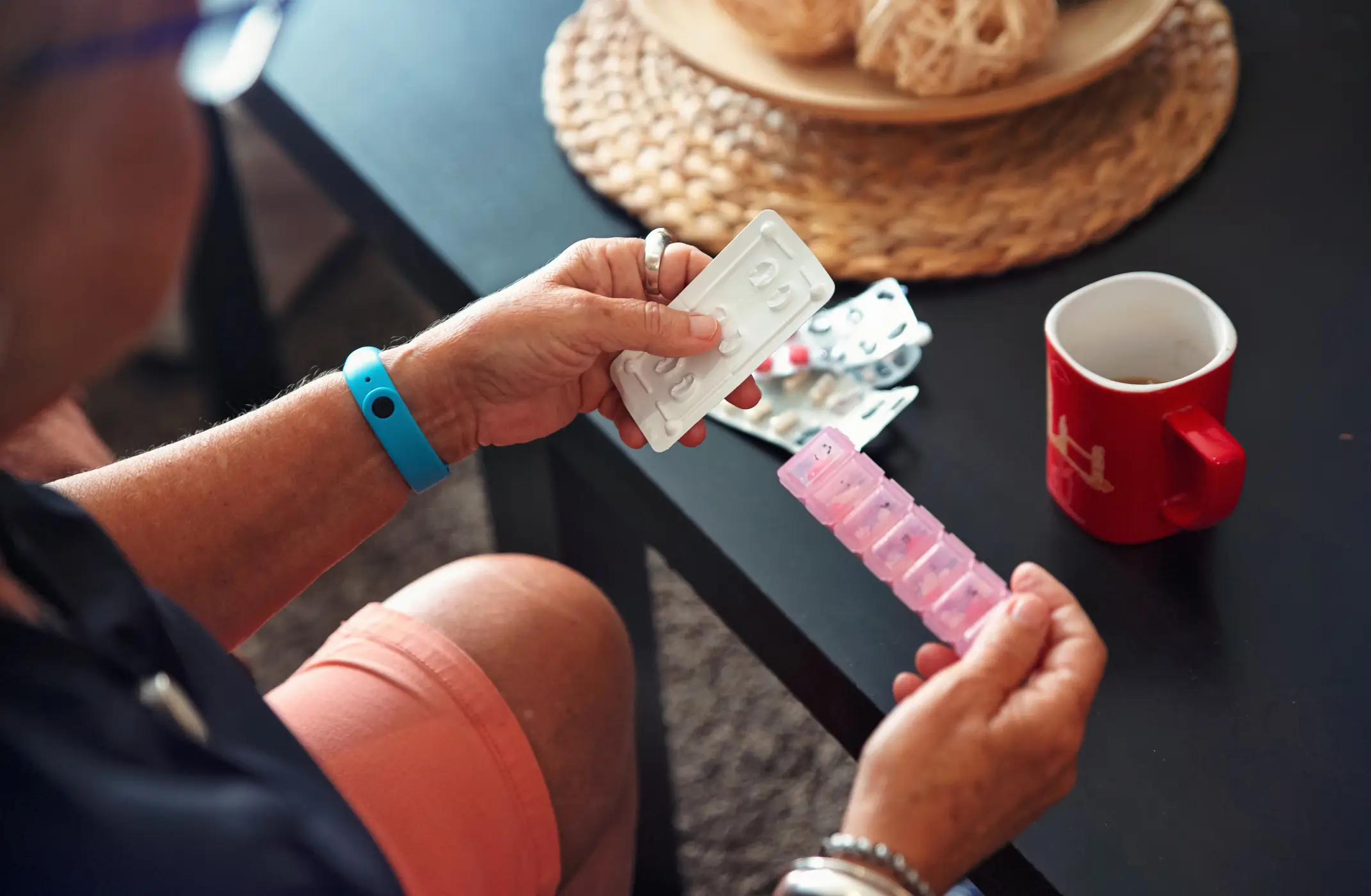
The expert also advises that all medications must be ‘stored in a cool, dry place. Any medication that is left exposed to high temperatures, direct sunlight, or humid bathrooms, ‘can cause them to degrade and fail to work properly.’
As always, medication users should read their drug handbook for storage instructions and side effects.
She then warns that anyone who notices a change in medicine color, smell, or texture should consult a pharmacist.
Ozempic users have also been issued warning in heatwave
As well as the above medications, Ozempic and other GPL-1 drug users are also being told to be extra careful during the heatwave.
As we know, the drugs, which are used to lower blood sugar in adults with type 2 diabetes, are also used by some for weight loss.
These work by suppressing appetite and helping people feel full for longer. However, it can also dull thirst signals meaning those who are dehydrated may not be able to feel it as much.
Therefore, those on the drugs have been told to make sure they keep themselves hydrated!
 Kiesha Dosanjh