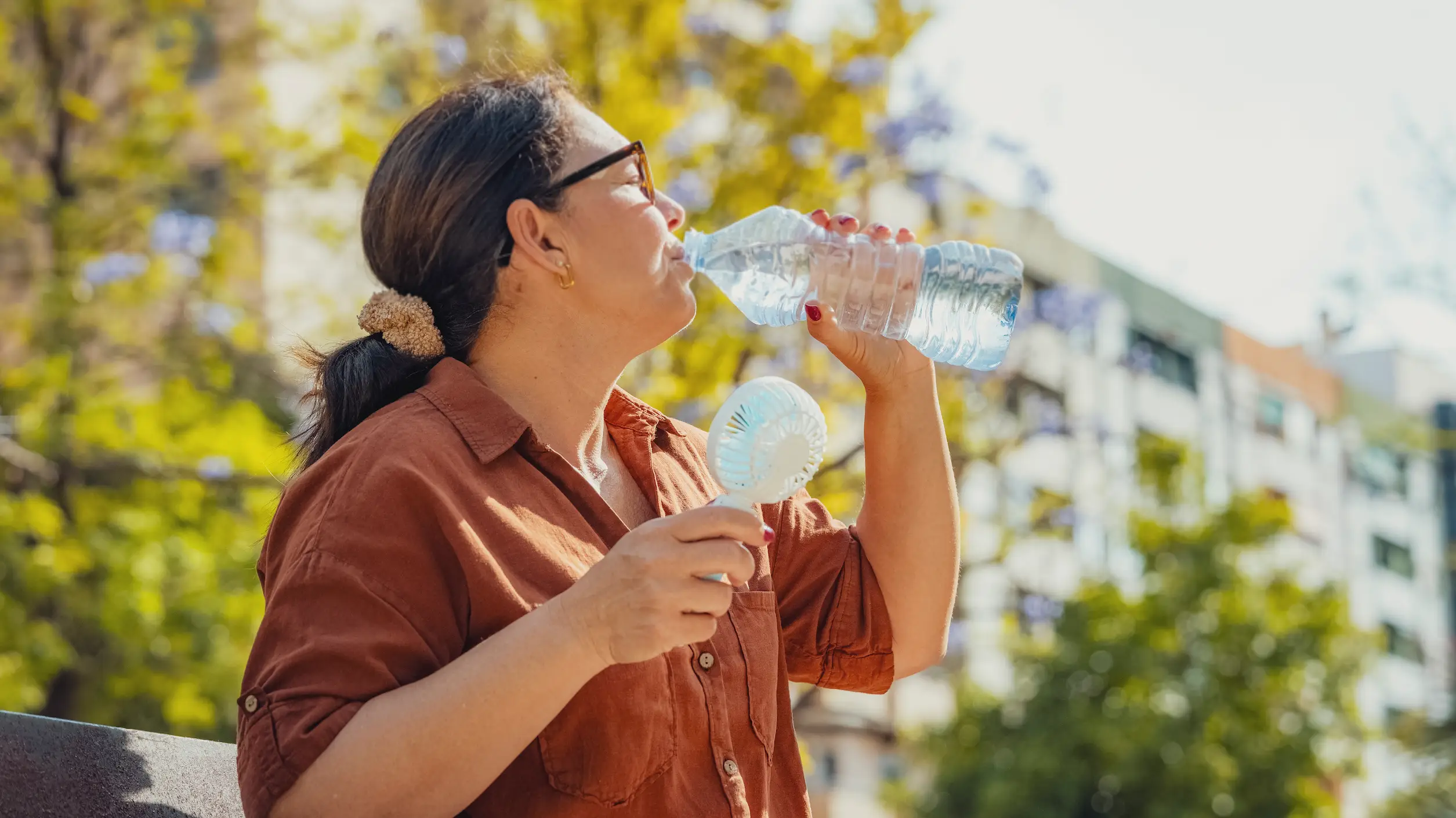
Ozempic users told to be extra careful during a heatwave or risk medical complications, pharmacist warns

People taking popular weight‑loss drugs such as Ozempic, Wegovy and Mounjaro are being urged to take extra care during extreme heat.
There is an intense, early-season heatwave impacting parts of the United States this week, with Montana, Florida, Georgia and New York all expected to feel the heat.
Scientists have warned that those taking the weight-loss drugs need to be extra careful as the mercury rises.
The drugs, known as GLP‑1s, work by suppressing appetite, helping people feel full for longer.
Advert
But that same mechanism can also dull other signals that your body vitally needs to listen to in the heat, specifically thirst signals.
This means users may not feel the urge to drink water even when their bodies desperately need it.
What are the symptoms of dehydration?
Dehydration can cause symptoms such as dizziness, headaches, fatigue, low blood pressure and blurred vision.
In severe cases, it can lead to kidney problems or even life‑threatening heatstroke, according to the CDC.
Eating less can also play a role. Normally, eating stimulates saliva production, but reduced food intake while on GLP‑1 medications can mean less saliva, leading to dry mouth, another early warning sign of dehydration that’s easy to ignore.
It’s also why some users have reported so‑called “Ozempic teeth”, with dry mouth contributing to dental problems over time.
Nutrition experts say the risks are heightened during heatwaves, particularly for people who are new to the medication and still adjusting to its side effects.
“You’ll need to be extra careful about hydration during hot weather as these medications often cause nausea, vomiting or diarrhoea, all of which can lead to fluid loss,” nutritional therapist Deborah Grayson told The Daily Mail.
“This is particularly important for new users of the weight‑loss medication, whose bodies are still adjusting.”
Grayson recommends taking simple but deliberate steps to stay safe during hot spells. Drinking water regularly, even if you don’t feel thirsty, is key, as relying on thirst alone may not be enough. Setting reminders on your phone or using a water bottle with measurements can help keep track of intake.
Do alcohol and caffeine make you dehydrated?
Alcohol and caffeine should be limited, as both can contribute to dehydration, while avoiding outdoor activity during peak heat hours can reduce strain on the body. Eating light, easy‑to‑digest foods, such as those in the BRAT diet (bananas, rice, applesauce and toast), may also help if nausea is an issue.
There’s also growing concern that GLP‑1 medications may interfere with the body’s ability to regulate temperature, potentially making it harder to cope with high heat. Adding electrolytes to water can help replenish salts lost through sweating and keep hydration levels steadier.
A simple way to check hydration is urine colour: pale yellow is a good sign, while darker shades suggest it’s time to drink more.
And when temperatures soar, it’s best to avoid strenuous exercise, especially outdoors.
As uncomfortable as the heatwave might be, experts say this could be one time when staying put and taking it easy is the smarter option.
How to cool down in a heatwave
We’re all aware of the basics of keeping cool during the warmer weather, such as avoiding the sun between 11am and 3pm, staying hydrated, wearing light clothing, taking cold showers and avoiding physical activity, but have you tried these little-known hacks to beat the heat? (Thank us later).
The correct way to sleep with a fan on
A good night's sleep is almost never guaranteed during a heatwave, leaving many of us turning to our trusty fan to get through the night. However, it could be having a hidden impact on your health.
But rest assured, as Dr Anis Khalaf has explained, how to overcome this, the correct way.
"The key is to not have any of the wind blowing on you,” he said. “So try facing it away from your body, and the air will still circulate around the room."
Though bear in mind that electric fans only tend to work when the temperature is below 35 degrees.
Drinking milk
Thanks to the sugars, proteins and fats in milk, Dr Natasha Fernando claimed that a glass of the liquid ‘may be more hydrating than water’.
She told Metro: “Milk also contains sodium, which allows your body to hold onto water for longer, aiding hydration levels.”
The Egyptian sleep method
Forget the Military sleep method, because this hack claims to keep you cool as well as help you nod off.
Psychiatrist Alex Dimitriu, MD, told VeryWellMind: "The Egyptian sleep method involves sleeping under a damp sheet, which cools off from evaporation.”
Just make sure the sheet is damp and not drenched, and the room is well-ventilated.
Keeping windows shut during the day
While it may sound counterproductive, you’re essentially inviting the hot air inside by leaving them open. And since most houses in the UK are designed to keep the heat in, you could be making the situation a whole lot worse.
Instead, wait until temperatures have dropped (such as in the late evening) to open your windows to allow cooler air to circulate. Keeping your blinds and curtains shut can also help.
In a statement issued to UNILAD, Noro Nordisk said: "Patient safety is a priority for Novo Nordisk.
"We recommend that any patient experiencing side effects while taking GLP‑1 receptor agonist medicines, including Ozempic and Wegovy, speaks to their healthcare professional. Suspected side effects should also be reported through the MHRA Yellow Card scheme.
"Ozempic® is indicated for the treatment of adults with insufficiently controlled type 2 diabetes mellitus, as an adjunct to diet and exercise.
"It is approved for use as monotherapy when metformin is considered inappropriate due to intolerance or contraindications, or in combination with other medicinal products for the treatment of diabetes."
They re-iterated that Ozempic is approved for use for diabetes, and "not an approved option for weight loss".
 Thomas Bamford