
Doctor warns eating too much protein could cause painful condition suffered by 1 in 10 Americans

A doctor has warned about the consequences of eating too much protein and how it could lead to a painful condition.
Having a diet high in protein is often considered to be a 'healthy' option, and while protein is a key part of a balanced diet, experts are warning about the dangers of pushing the trend too far.
Speaking about the impact of protein on the kidneys, ABC News chief medical correspondent Dr. Tara Narula explained: "The kidneys are sort of the main filter of our blood. They produce waste, which is our urine.
"Depending on how many chemicals or what type are in the urine and how hydrated or dehydrated you are - in addition to maybe your lifestyle, your diet, your genetics and medical conditions - you may be set up for producing kidney stones."
Advert
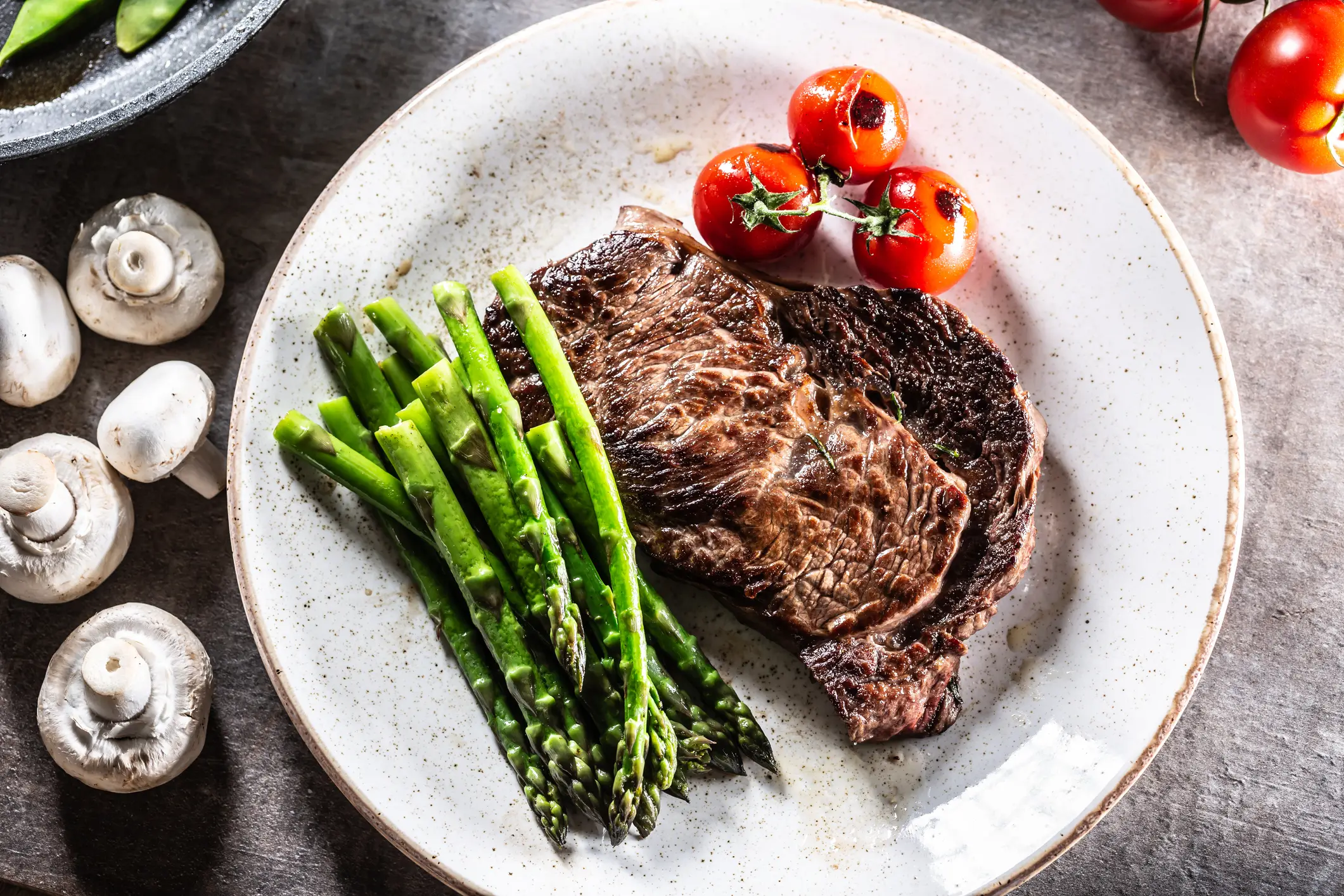
Narula explained that uric kidney stones are derived from purine, which is a derivative of animal protein.
"So if you eat a diet that is a carnivore diet - very high in beef, chicken, poultry or seafood - you're going to potentially break that down into uric acid, which, under the right conditions, can crystallize and form stones," Narula added.
"We're talking about levels that are really two to three times the recommended level of protein, where you're not really drinking water, you're not eating fruits or vegetables and getting other carbohydrates. About 200 grams of protein or more.
"What you can do is swap in some plant protein - legumes, beans, nuts, tofu, soy - so you're not just fully focused on animal protein."
While kidney stones can have a number of different causes, diet, health conditions and even some medicines can be the top causes.
Mayo Clinic explain: "Passing kidney stones can be quite painful. But prompt treatment usually helps prevent any lasting damage. Sometimes, the only treatment needed to pass a kidney stone is taking pain medicine and drinking lots of water. Other times, surgery or other treatments may be needed. It depends on size, location and the type of stone you have."

Mayo Clinic explain that despite popular belief, most people in the US exceed their protein needs, especially men aged between 19 and 59.
"The Dietary Guidelines for Americans, 2020–2025 indicates that men in that age range exceed their protein recommendations, especially from meat, poultry and eggs," they explain.
"Protein should account for 10% to 35% of your calories. So, if your daily needs are 2,000 calories, that's 200-700 calories from protein or 50-175 grams."
Topics: Health, Food and Drink
 Lucy Devine