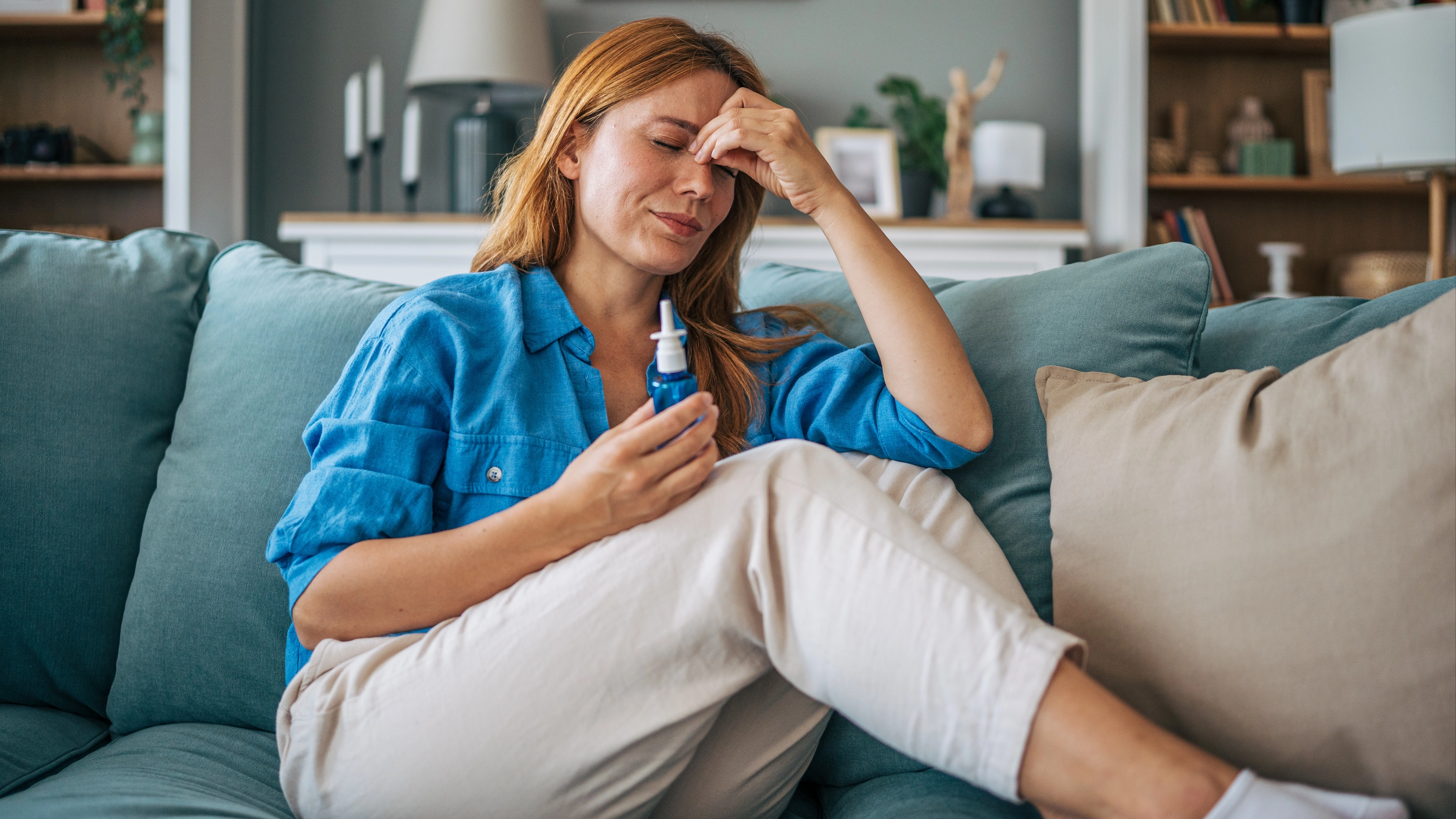
Doctor shares hay fever mistakes that could be making condition much worse

For some people, spring is the best time of the year where the flowers start to bloom, the sun finally emerges and dreams of long afternoons outdoors come to the front of everyone's minds.
But for those that have horrendous hay fever, it's the time to be stocking up on industrial strength antihistamines, nose sprays and eyedrops.
Hay fever is caused by the immune system overreacting to environmental allergens, most commonly plant pollen.
Spring can be a particularly difficult time of year for those who have allergies, of which there are between 25 million adults and 5 million children in the US alone.
What are the symptoms of hay fever?
Common symptoms can include sneezing, coughing and itchy eyes, with symptoms getting particularly bad between March and September, as the weather gets humid and windy.
Advert
A doctor has shared one thing that nearly every household does that could be making things much worse for those that suffer.
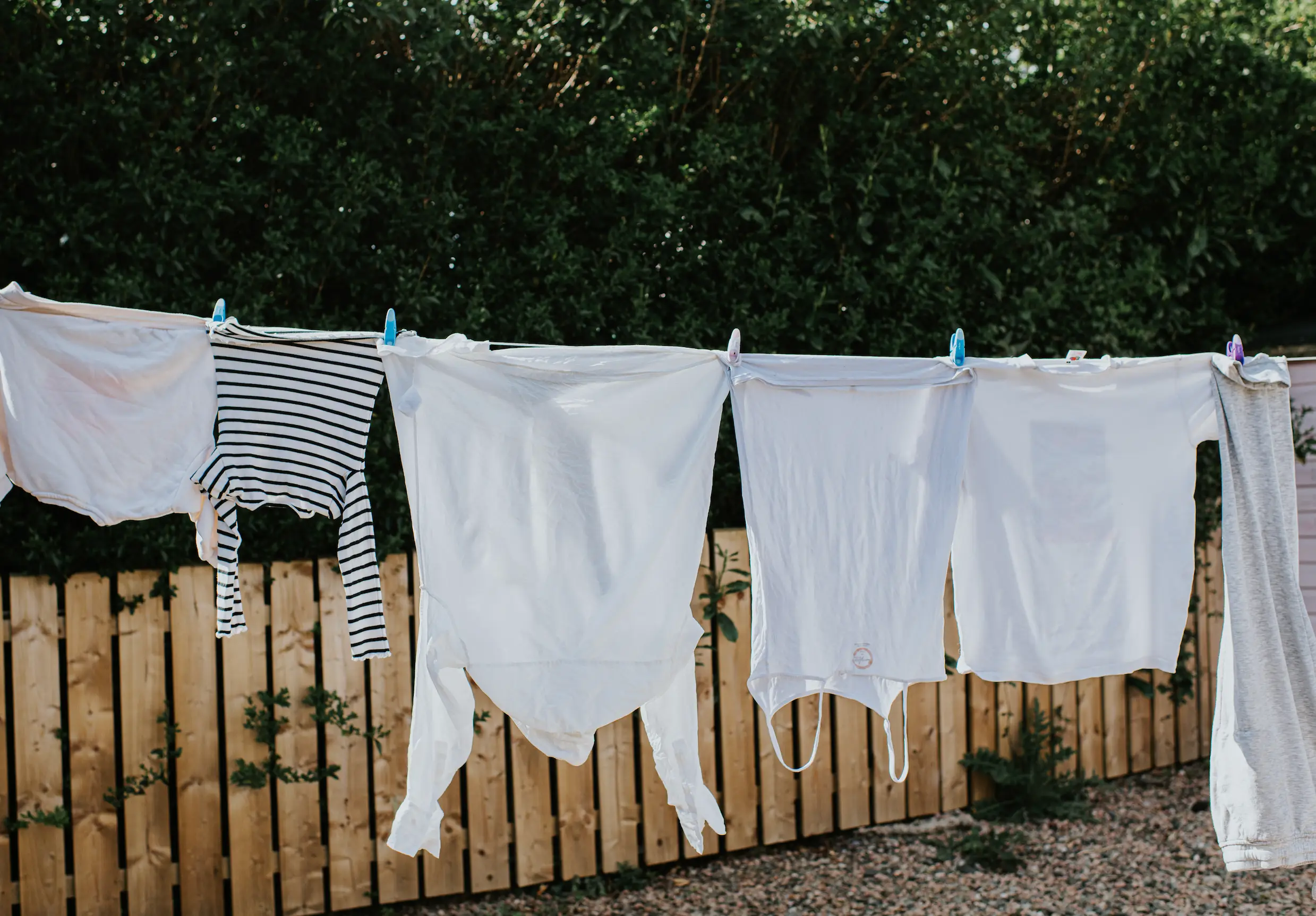
Dr Lucy Hooper, a GP and co-founder of Coyne Medical, has explained that drying your laundry outside during pollen season could be making your hay fever symptoms worse.
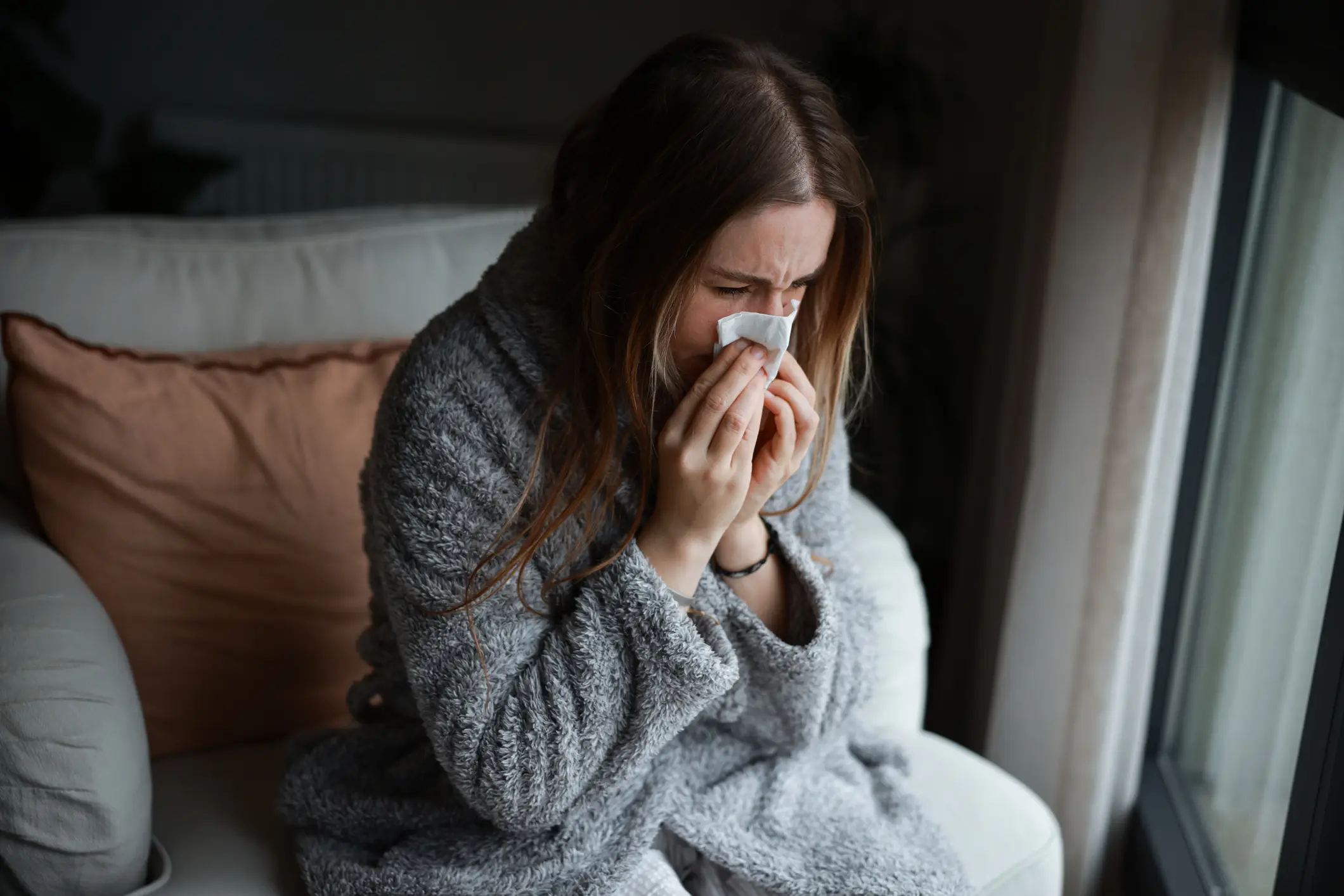
How to reduce pollen in your home
Per Wales Online, she said: "There is significantly more pollen outdoors than inside your home. When laundry is dried outside, it can collect pollen from the air, which is then brought back indoors on the fabric.
"This increases your overall exposure to pollen."
The doctor suggested that for those who get hay fever, using a dryer can be a massive help in reducing exposure to pollen.
One of the other suggestions from the doctor was keeping windows and doors shut during times when the pollen counts were particularly high.
"Keep windows and doors closed during high pollen periods, especially from late morning to late afternoon," she added.
"Some people may benefit from using air conditioning to cool and ventilate rooms, as filters can help reduce pollen levels. HEPA air filters are a more cost-effective option and can remove over 99% of airborne pollen particles."
HEPA stands for High Efficiency Particulate Air, and it's a type of air filter designed to capture incredibly small particles from the air - very useful in getting rid of pesky pollen.
Dr Hooper said that it's a good move to shower and switch into fresh clothing following being outside, which will help you from accidentally spreading pollen all around your home.
"Even washing your face and hands when you get home can help reduce exposure," she added.
CDC guidelines to helping allergies
The CDC have put together a handy guide of things you can do to help your allergies during the summer:
- check daily pollen forecasts to plan outdoor activities, noting that levels are often higher on windy days.
- put Vaseline around your nostrils to help trap pollen
- keep windows and doors shut as much as possible to keep the pollen out
- wear wraparound sunglasses, a mask or a wide-brimmed hat to stop pollen getting into your nose and eyes
- shower and change your clothes after you have been outside to wash pollen off
- vacuum regularly and dust with a damp cloth
- try to use a pollen filter in the air vents of your car, if you have one, and a HEPA filter in your vacuum cleaner
 Thomas Bamford