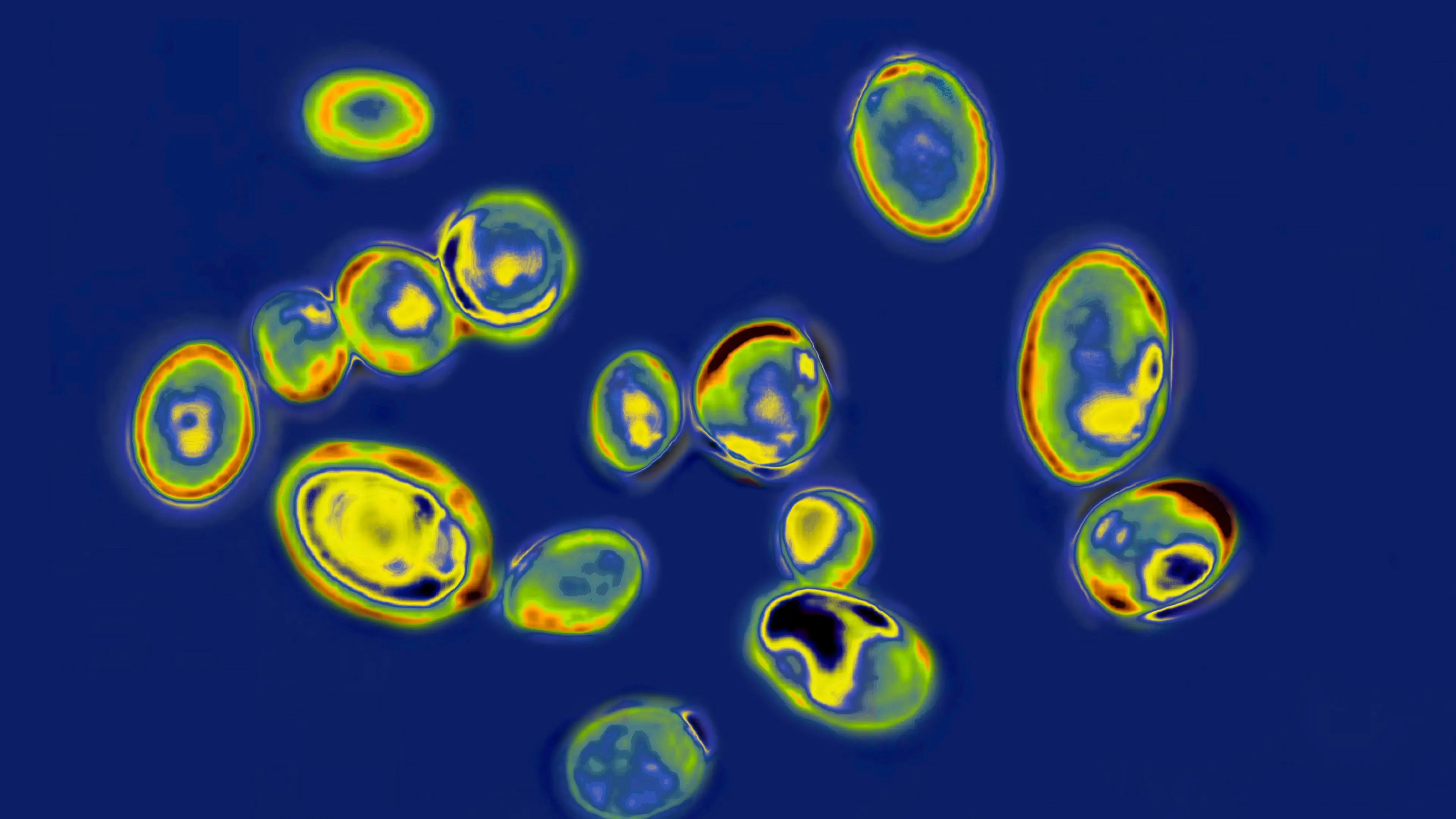
Deadly drug-resistant fungus confirmed in 23 states, CDC warns

Health authorities have issued an urgent warning after a dangerous, drug-resistant fungal infection was confirmed across 23 US states, with experts warning that some strains are showing resistance to last-resort treatments.
The Centers for Disease Control and Prevention (CDC) highlighted the expanding threat of Candida auris, an invasive yeast species that can cause severe, life-threatening bloodstream, wound, and ear infections.
While healthy individuals are generally at low risk, the fungus poses an extreme danger to hospital patients, nursing home residents, and individuals requiring invasive medical devices such as catheters, breathing tubes, or central lines.
According to health officials, what makes Candida auris particularly hazardous is its unusual ability to survive on surfaces in healthcare settings for extended periods and its high resistance to standard antifungal medications.
Advert
“Candida auris is a major public health concern because it can cause severe infections with high mortality rates, and it spreads easily between patients in healthcare facilities,” public health guidance cautions.
“Alarmingly, some strains have developed resistance to all three major classes of antifungal medications, including echinocandins—our primary last-resort treatment.”

Rising Resistance and High Mortality
According to CDC tracking data, more than 1 in 3 patients who contract an invasive Candida auris infection die, though health experts at the Cleveland Clinic note that many patients already suffer from serious underlying illnesses which make them more susceptible.
Traditional fungal treatments often fail against the pathogen, forcing medical teams to combine multiple medications or rely on experimental drugs.
Furthermore, identifying the fungus requires specialized laboratory testing, leading to potential treatment delays if mistaken for more common yeast strains.
Health departments across affected states are actively coordinating with hospitals and long-term care facilities to implement strict infection control protocols, including enhanced surface disinfection, patient isolation, and routine screening.
"It is resistant to major antifungal drugs, making it difficult to treat," the CDC warns on its official health advisory portal, adding that the fungus "can spread in healthcare settings and cause severe infections in patients with complex medical conditions."
For this reason, it has placed an increased emphasis on maintaining strict infection control protocols, including enhanced surface disinfection, patient isolation, and routine screening.
Who Is Most at Risk?
Medical experts emphasize that the general public faces minimal immediate risk from Candida auris during everyday activities.
However, patients undergoing prolonged hospital stays, those receiving heavy courses of antibiotics or antifungals, and individuals with weakened immune systems are being urged to ensure strict hygiene protocols are followed by healthcare providers.
As epidemiologists continue monitoring cases across the 23 confirmed states, the CDC maintains that strengthening infection control practices in healthcare settings is crucial to stopping further spread.
Which states are affected?
Cases have been reported in 23 states so far, including:
- Texas
- Michigan
- Illinois
- Nevada
- Florida
- New York
- Pennsylvania
- California
- New Jersey
- Ohio
- Indiana
- Georgia
- Virginia
- Maryland
- North Carolina
- Tennessee
- Kentucky
- Missouri
- Louisiana
- Alabama
- Arizona
- Colorado
- Minnesota
 Phoebe Tonks