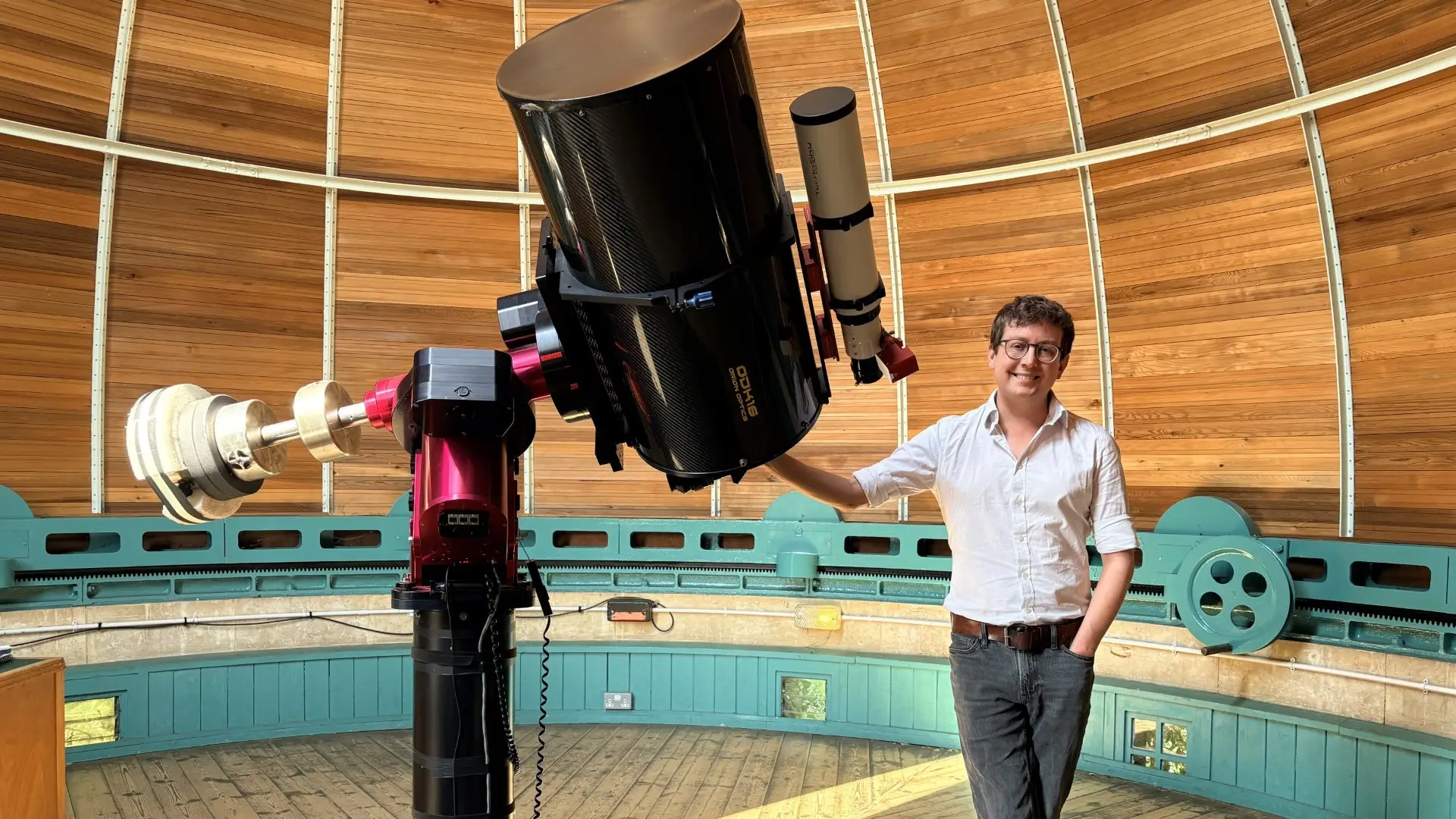
Astronomer sends 'much bigger' Kessler syndrome warning while SpaceX rocket aims for Moon crash

An astronomer has warned that the growing accumulation of space junk around Earth presents a far greater danger to space exploration than a rogue rocket crashing into the Moon.
Addressing the upcoming impact of a spent rocket stage, such as Space X, heading toward the lunar surface, Dr Matt Bothwell, Public Astronomer at the University of Cambridge's Institute of Astronomy, explained that the event will leave a noticeable mark on the Moon.
When asked about the immediate physical impact, Dr Bothwell confirmed that the high-speed collision will trigger a dramatic blast on the lunar surface.
“It’ll make a big splash!” Dr Bothwell explained. “It’s likely to make a cloud of debris tens of kilometres high, and leave behind a crater nearly 30 metres wide.”
Advert
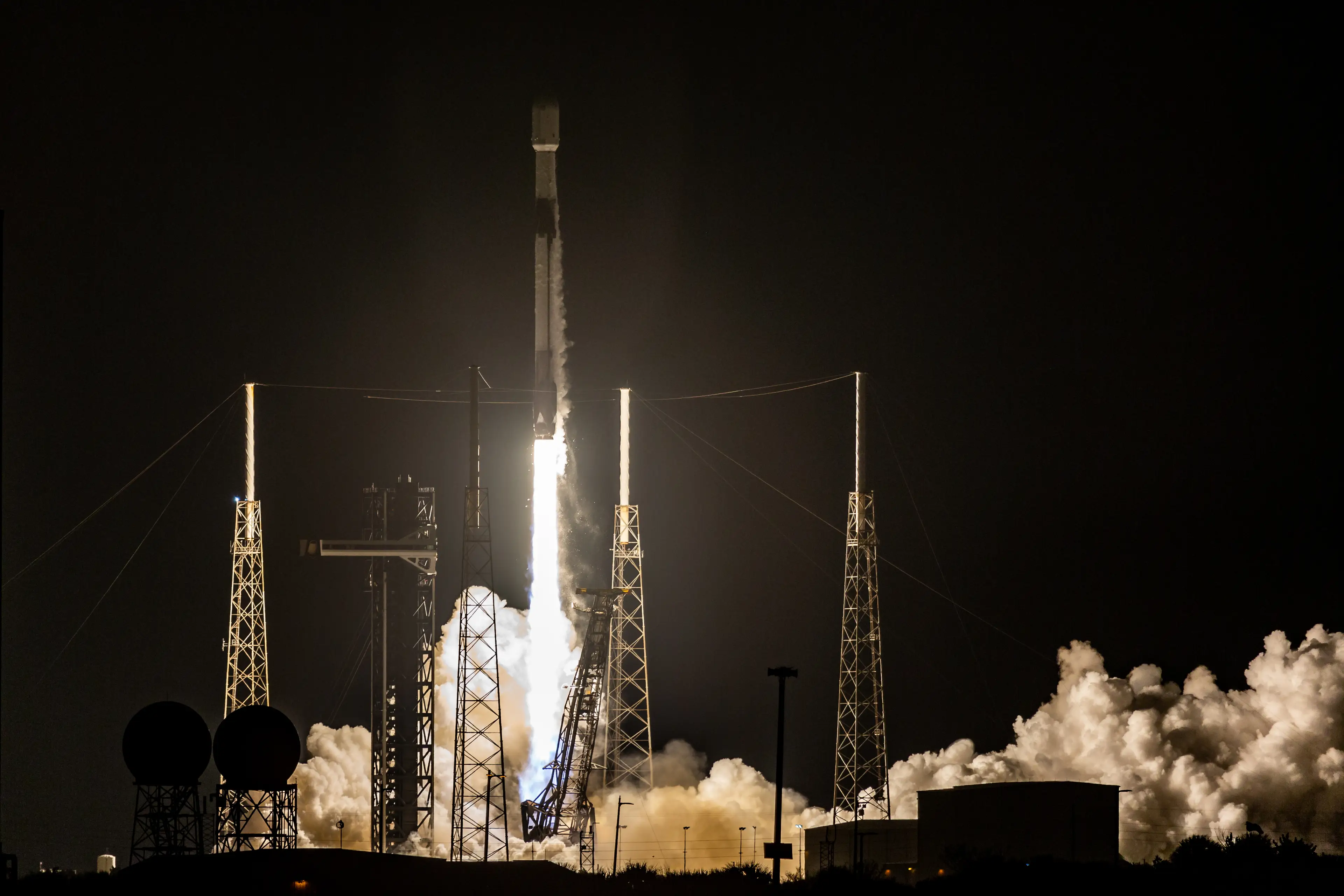
The threat of Kessler Syndrome
Despite the sheer scale of the lunar crash, Dr Bothwell emphasized that rocket stages hitting the Moon do not pose a serious astronomical threat due to the vastness of space.
Instead, he highlighted that the real danger lies much closer to home: the rapid accumulation of orbital space debris around Earth, a phenomenon linked to the Kessler syndrome theory—where colliding space junk creates a cascading chain reaction of catastrophic collisions.
“Hitting the Moon isn’t really a problem — there’s a lot of space out there,” Dr Bothwell stated. “A much bigger issue is space debris in orbit around Earth… the more and more stuff we launch into space, the more crowded and dangerous it can get for rockets and astronauts trying to get up there!”
What is the Kessler Syndrome?
First proposed by NASA scientist Donald Kessler in 1978, the Kessler Syndrome is a hypothetical scenario where the density of objects in Low Earth Orbit (LEO) becomes so high that a single collision between two pieces of space junk triggers a catastrophic domino effect, explains The Space Centre.
The initial crash shatters the objects into thousands of tiny, high-speed debris fragments, which then smash into other satellites and defunct rocket stages.
This creates an exponential, self-sustaining chain reaction of destruction that could eventually shroud Earth in an impenetrable cloud of space shrapnel—effectively destroying active satellites, shutting down global communications and GPS, and trapping humanity on Earth by making future space travel far too dangerous.
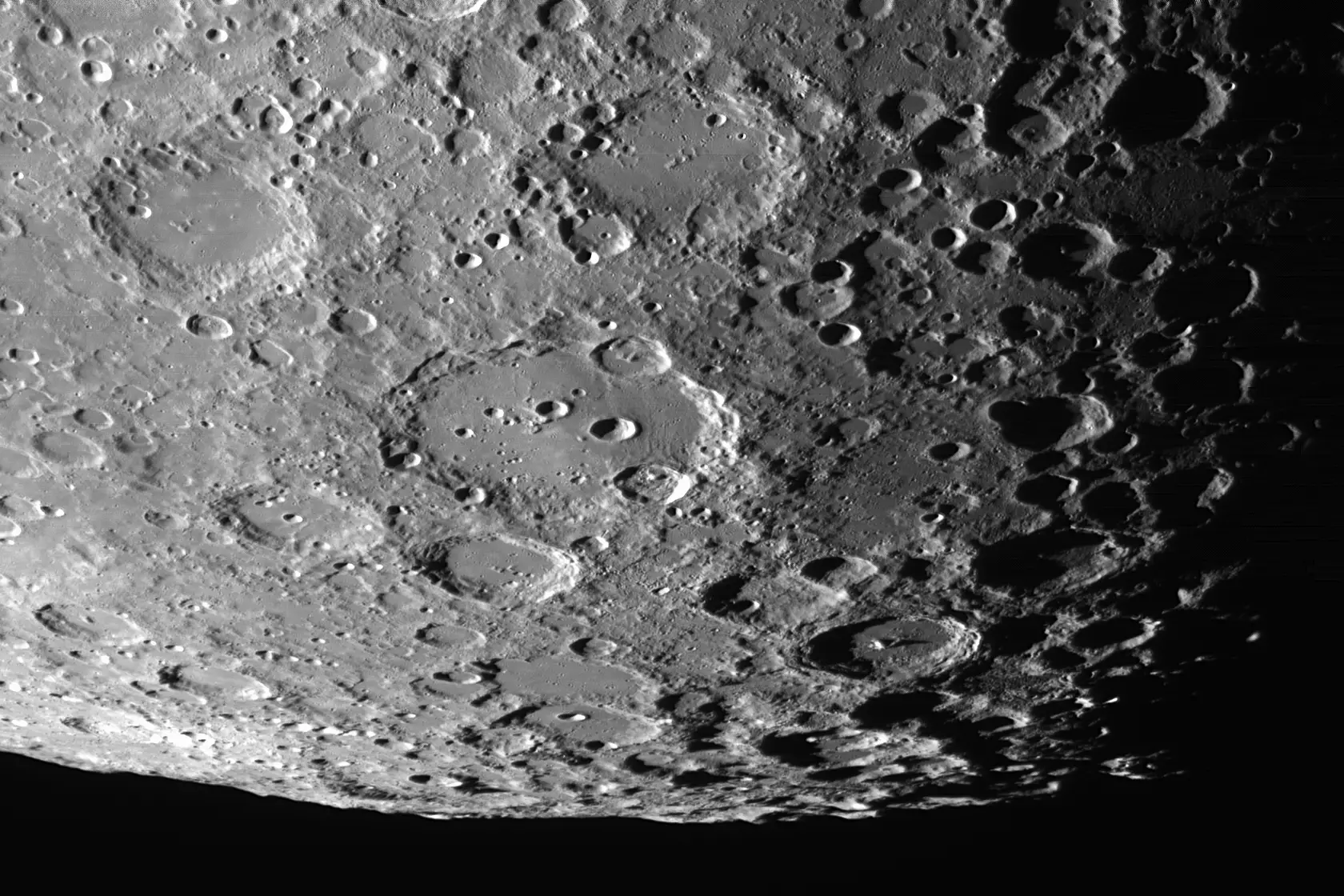
What it means for Earth
For observers hoping to catch a glimpse of the impact from the ground, Dr Bothwell noted that the event won't pose any danger to our home planet, though observing it will prove tricky for amateur stargazers.
“Thankfully no!” Dr Bothwell said when asked if the crash would impact Earth. “It’ll be a nice event to watch (though you’ll need a really big telescope, backyard binoculars won’t cut it sadly).”
As space agencies and private companies continue launching satellites and rockets at record rates, experts maintain that managing low-Earth orbit debris remains the top priority to prevent critical orbits from becoming entirely unusable.
 Phoebe Tonks