
6 grisly items collected as evidence after Lizzie Borden's parents were killed

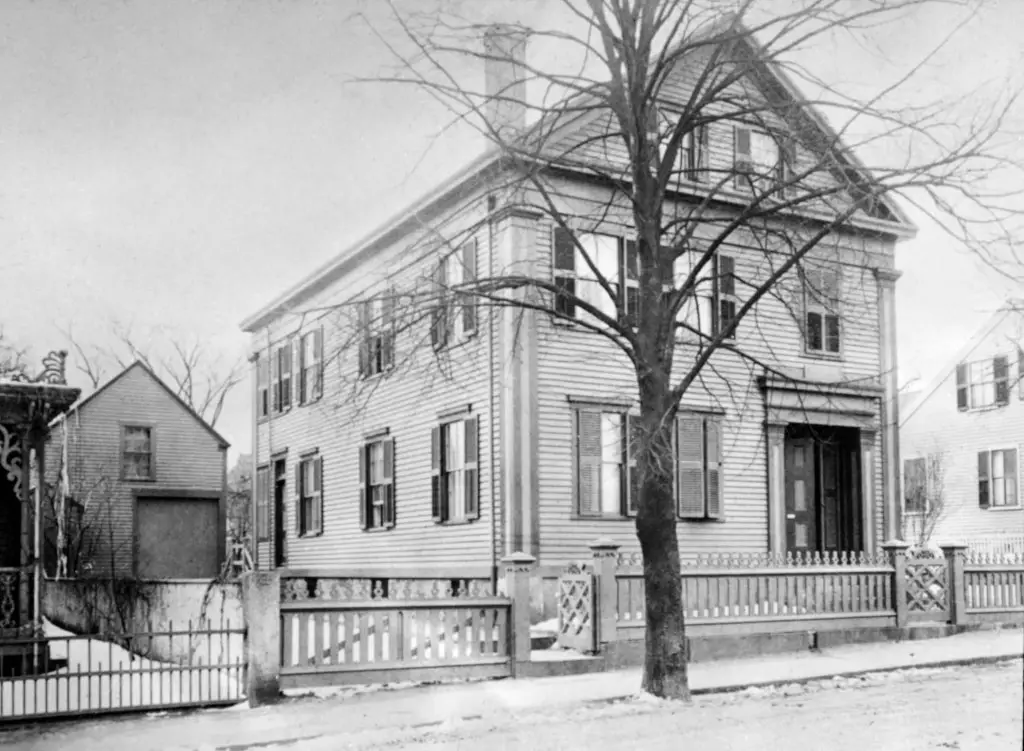
On the sweltering morning of August 4, 1892, wealthy property owner Andrew Borden and his second wife, Abby, were bludgeoned to death inside their Fall River, Massachusetts home.
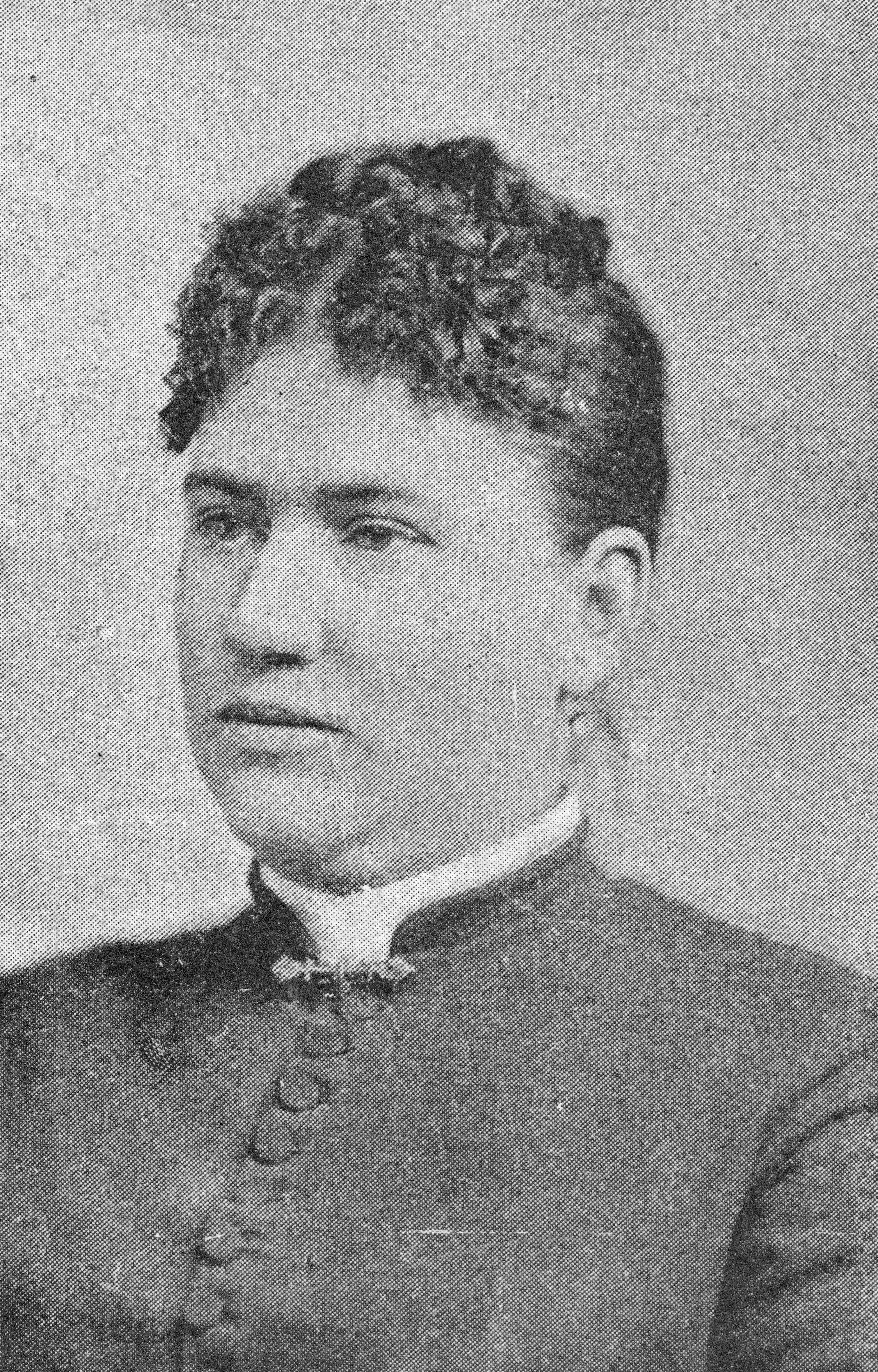
The weapon was a sharp, heavy blade; the brutality was unprecedented; and the chief suspect was Andrew’s 32-year-old unmarried daughter, Lizzie.
With a brand-new Netflix series revisiting the infamous double homicide in Monster: The Lizzie Borden Story, public fascination with the Victorian gothic mystery has spiked once again.
While popular culture remembers the nursery rhyme claiming Lizzie gave her mother "forty whacks," the physical items recovered by investigators in 1892 paint a far more forensic, macabre picture of 19th-century crime detection.
Advert
Here are six of the most grisly items collected as evidence during the investigation.
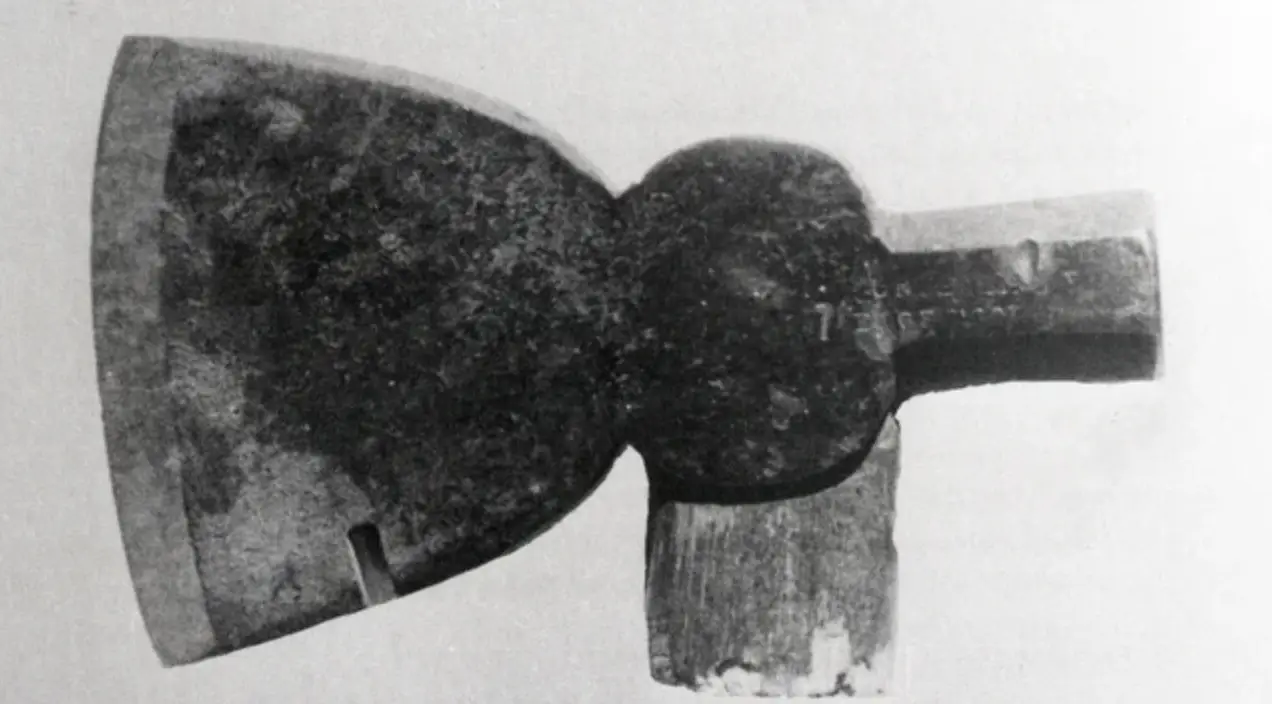
The "Handleless" Hatchet Head
Police thoroughly searched the Second Street residence, eventually turning their attention to the dark basement. There, in a small chimney recess, officers discovered four axes and hatchets.
One in particular immediately caught their attention: a small hatchet head whose wooden handle had been cleanly snapped off near the socket. The iron head was coated in a coarse white ash and dust.
The prosecution argued that the killer had broken off the blood-soaked wooden handle, burned it in the kitchen stove, and rolled the metal head in ashes to conceal lingering residue.
While Dr. Edward Wood of Harvard Medical School testified that he found no definitive traces of blood on the metal, it became the state's prime candidate for the murder weapon.
The Victims' Boiled Skulls
In one of the most shocking evidentiary displays in American legal history, the actual skulls of Andrew and Abby Borden were introduced as physical exhibits in the courtroom.
Following initial autopsies performed on the dining room table, the victims were buried—only to be exhumed days later so medical examiners could decapitate them and boil away the soft tissue.
The cleaned skulls, bearing 19 fractures on Abby and 10 on Andrew, were brought into open court to demonstrate that the bone gashes matched the dimensions of the basement hatchet.
The sight was so gruesome that Lizzie Borden reportedly fainted on the spot when the tissue-less skulls were revealed to the all-male jury.
The Burned Blue Bedford Cord Dress
Police were baffled by the apparent lack of blood on Lizzie’s clothing when they arrived at the house within minutes of the alarm being raised.
Days after the murders, however, family friend Alice Russell observed Lizzie tearing apart a blue Bedford cord dress and feeding it into the kitchen stove.
Lizzie claimed she was merely disposing of an old garment that had been ruined by brown paint.
The prosecution, however, maintained it was the very dress she wore while slaughtering her parents, burned specifically to destroy blood spatter before state investigators could seize it.
The Preserved Stomachs of the Victims
To establish an exact timeline of the killings, medical examiners removed the stomachs of both Andrew and Abby Borden during the post-mortem examinations.
The organs were tied off, placed in sealed glass jars, and transported to Harvard Medical School for chemical analysis.
Dr. Wood examined the undigested food—mostly bread and mutton—to determine when each victim had last eaten. The forensic analysis proved crucial: Abby’s digestion had stopped roughly an hour and a half to two hours before Andrew’s, proving she had been killed first, hours before her husband was attacked on the sofa downstairs.
Bloodstained Horsehair Sofa Upholstery
Andrew Borden was murdered while taking a mid-morning nap on the sitting room sofa.
The blows to his face and head were delivered with such force that blood spattered across the adjacent wall and soaked deep into the furniture.
Officers cut away swatches of the bloodstained horsehair sofa fabric, as well as the pillow resting beneath Andrew's head, to present as physical exhibits.
The bloodied fabric was brought before the court to illustrate the trajectory of the blows and the sheer proximity the killer had to maintain during the attack.
Sliced Locks of Abby Borden's Hair
When Abby Borden was struck down from behind in the second-floor guest bedroom, the impact of the blade sheared directly through her hair before crushing her skull.
Investigators gathered and catalogued several locks of her blood-matted hair from the bedroom carpet, which had been cleanly severed by the hatchet blows.
These hair fragments were submitted alongside the skull casts to demonstrate the sharpness and angle of the weapon used in the initial ambush.
Ultimately, the lack of modern forensic tools—fingerprinting was not yet standard practice and blood typing was still years away—meant prosecutors could not conclusively link the broken hatchet or the destroyed dress to the killings.
After just an hour and a half of deliberation, the jury returned a verdict of not guilty, leaving the grisly evidence to pass into true crime history.
Topics: True crime, Netflix, News
 Phoebe Tonks