Woman wrongly jailed for deadly crash breaks down in tears revealing what happened in solitary confinement

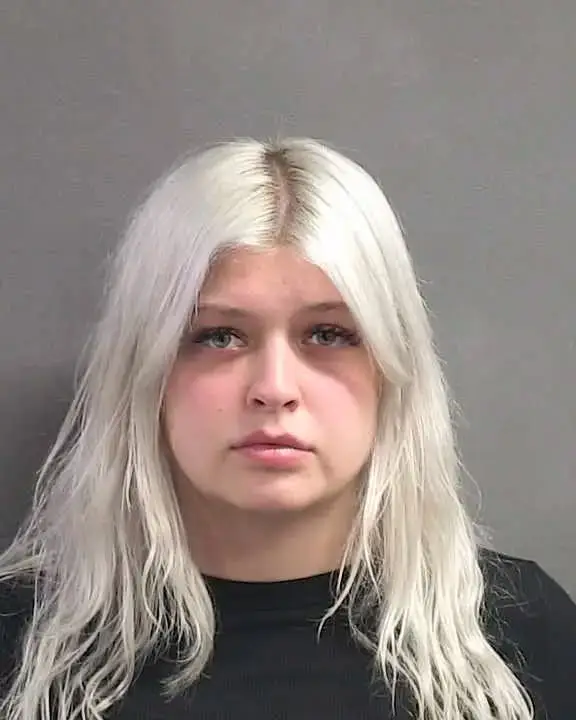
Lindsey Isaacs watched officers haul away her Dodge Durango in ‘immaculate condition’, then spent nearly two weeks behind bars for a triple-fatal crash she says she had nothing to do with.
The 23-year-old from Palm Coast, Florida, was arrested in April 2026, accused of driving the vehicle that caused a chain-reaction crash on Interstate 4 the previous October, killing three people.
Florida Highway Patrol (FHP) troopers alleged they'd spotted 'smudge or rub marks' on her SUV linking it to the scene.
Isaacs spent 13 days in jail before the charges against her were dropped entirely.
Advert
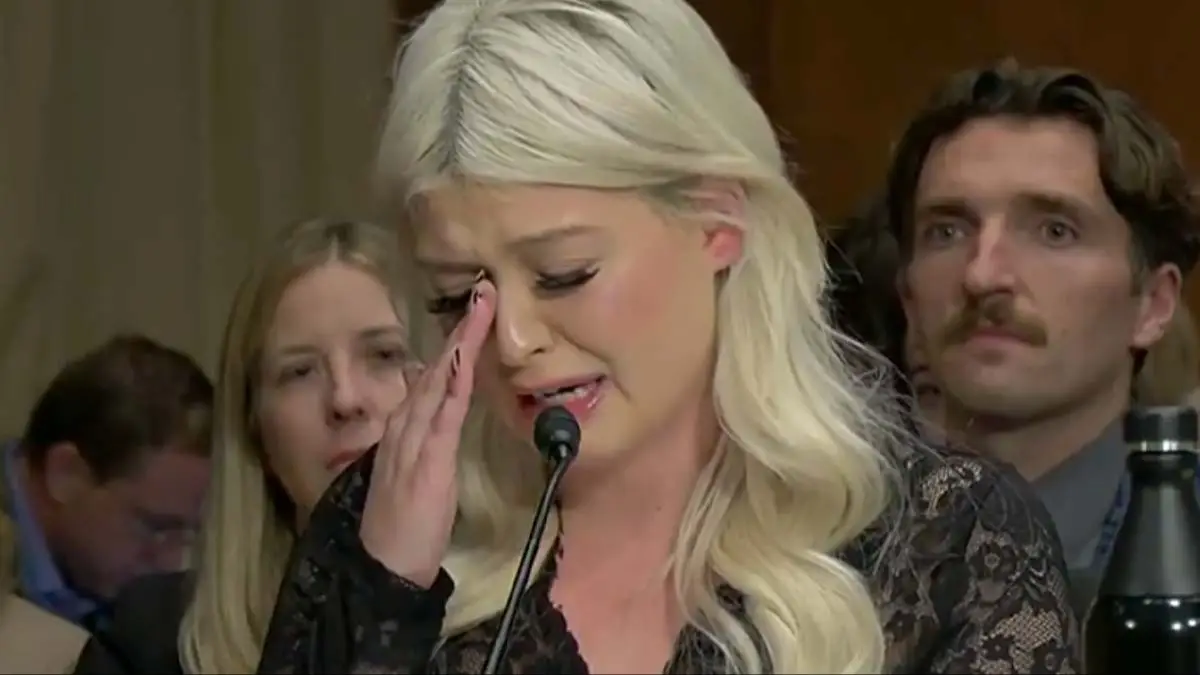
On Wednesday, Isaacs took her story to Capitol Hill, testifying before the Senate Judiciary Committee's Subcommittee on Crime and Counterterrorism as part of a hearing titled “Always Watching: Flock's Nationwide AI Surveillance Network.”
What happened to Lindsey Isaacs?
According to Isaacs, the ordeal began with an automated license plate reader (ALPR) flagging her vehicle, setting off a chain of events that led straight to her arrest, with no further checks in between.
Fox35 reported: “My Durango was in immaculate condition, yet I stood there watching law enforcement take it away while telling me that my vehicle had been involved in a crash where three people died,” she told the subcommittee.
She described the following 13 days as the lowest point of her life.
“It was the worst 13 days of my life,” Isaacs said. “I wouldn't wish it on anyone…it was very scary. So there's just no words to describe my emotions other than I thought my life was over.”
Her attorneys pushed for the evidence against her to be reviewed, and a separate FHP team later inspected her Durango and reportedly found zero crash damage.
FHP subsequently cleared Isaacs and arrested another woman, Alisa Montalvo, in connection with the crash instead.
Isaacs has since filed a federal lawsuit against FHP and the troopers involved, with her legal team accusing officers of lying about evidence supposedly tying her to the crash.
Photos of her vehicle, her attorney says, showed no damage consistent with the collision at all.
Now, Isaacs wants her experience to lead to legislative change.
Isaacs said she now hopes lawmakers will consider a bill, potentially dubbed ‘Lindsey's Law’, requiring verification steps before an arrest is made off the back of an ALPR hit alone.
Asked what that law might look like, Isaacs said: “Some type of verification before making an arrest on ALPRs.”
She added that officers ‘shouldn’t just look on the camera and immediately make an arrest or impound a vehicle for no reason.’
Why are Flock cameras controversial?
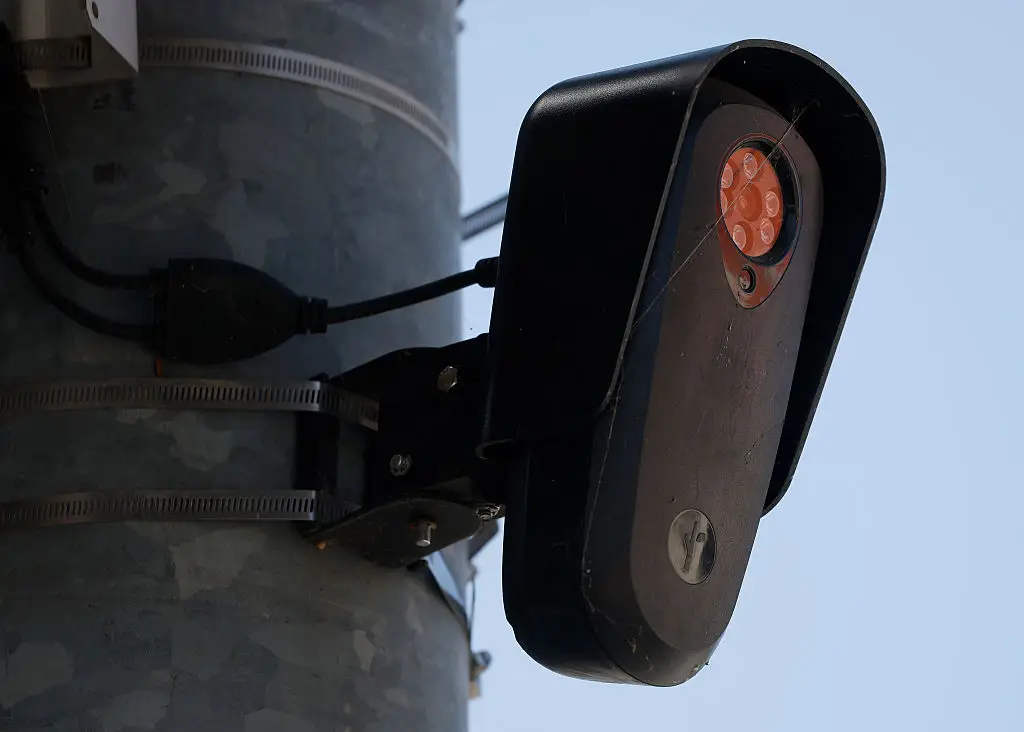
Isaacs' case has become a flashpoint in a wider fight over automatic license plate readers, with Flock Safety among the biggest firms supplying the cameras and surveillance software to police departments nationwide.
Critics have raised alarms over privacy, who can access the data these systems collect, how securely it's stored, and how long departments hold on to it.
Several cities and law enforcement agencies across Florida and the rest of the country have already paused or scrapped their license plate reader programs while the backlash plays out and lawmakers weigh potential changes.
Police chiefs and sheriffs, meanwhile, have defended the technology as a vital tool for solving crimes, locating missing or endangered people, and responding to AMBER Alerts.
Flock have been approached for comment.
 Thomas Bamford