Carole Baskin has a new mission – and it's not about lions and tigers

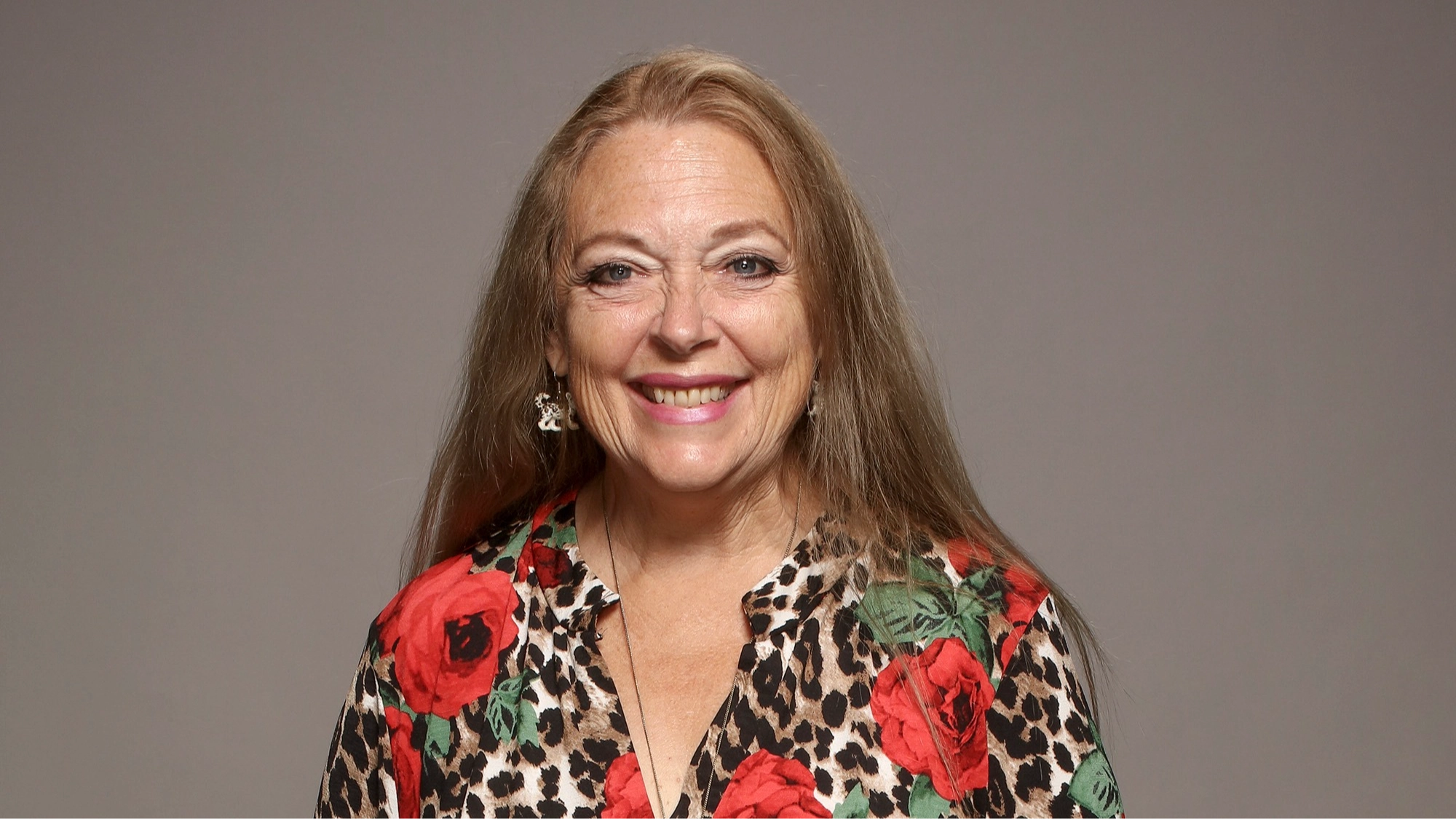
Carole Baskin once devoted the vast majority of her time to looking after big cats living in captivity.
Now, six years after Netflix's Tiger King made her a household name, she's turned her attention to a different mission - stopping cat species going extinct in the wild.
The animal rights campaigner, who became one of the most recognisable faces of the deeply unforgettable 2020 documentary series, has made a dramatic change to how she spends her time and the money raised by her organization, Big Cat Rescue.
And it all started with a decision to move the animals out of her famous Tampa sanctuary and sell the land for almost $20 million.
Advert
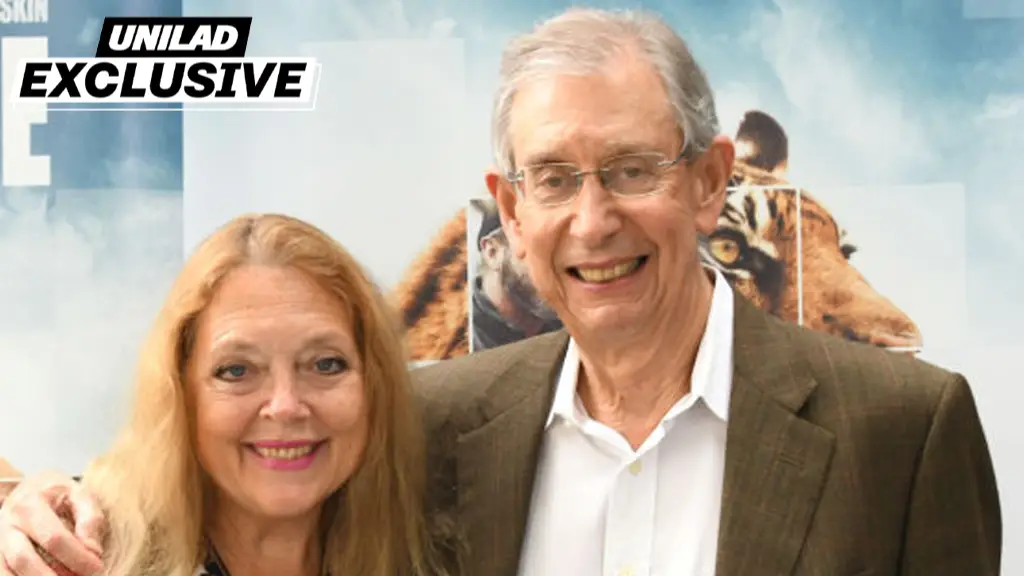
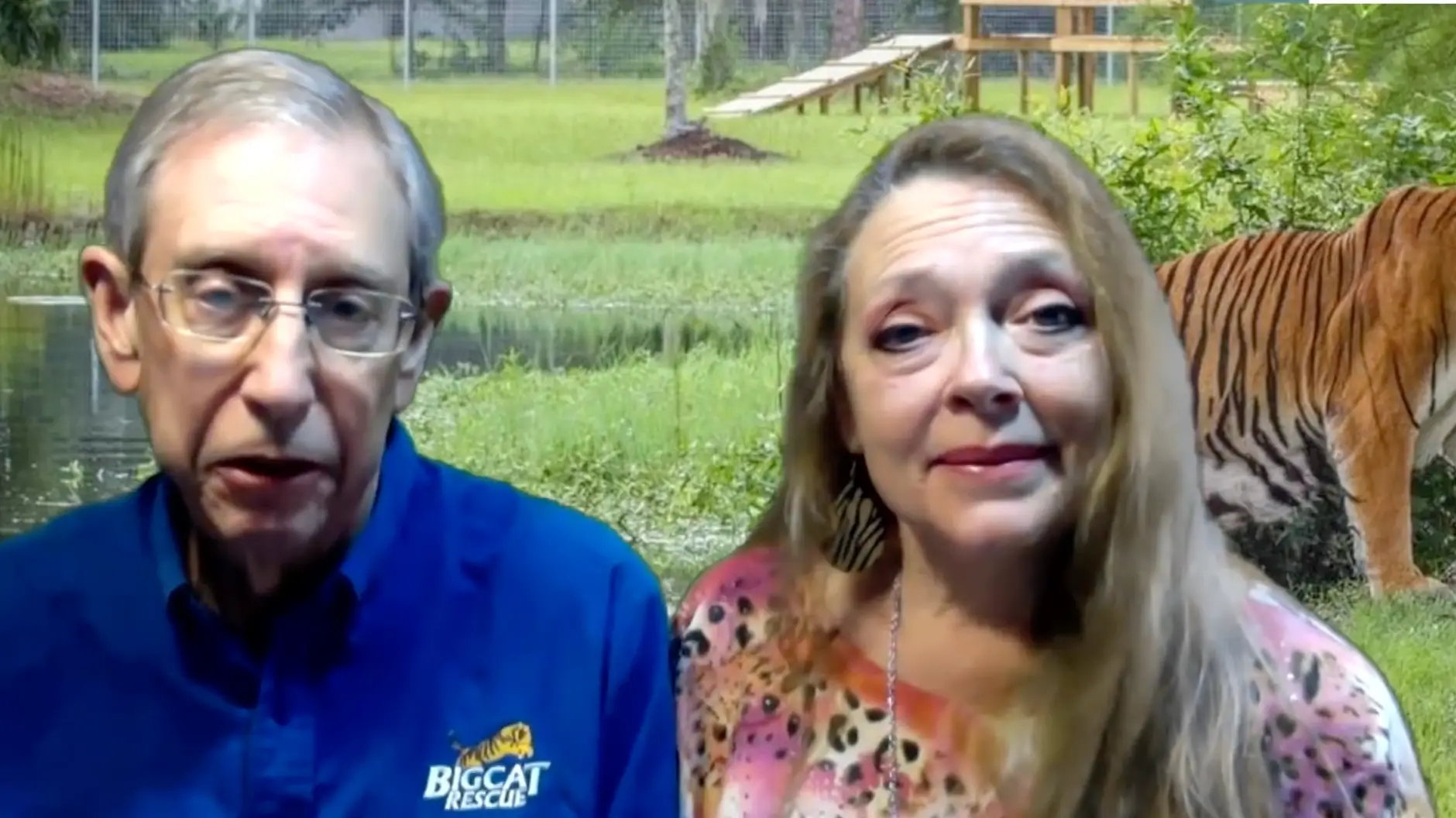
Speaking about the decision with UNILAD, Carole's husband Howard Baskin explained that the organization had originally divided its work into three areas: caring for captive big cats, preventing their mistreatment, and protecting wild populations from extinction.
Before the passage of the Big Cat Public Safety Act in December 2022, around 70 percent of its time and funding went towards caring for animals at the sanctuary, with 25 percent spent campaigning against abuse and just five percent dedicated to conservation in the wild.
But the balance has now changed dramatically.
"Instead of the 70/25/5 percentages mentioned above, it is now more like 5/5/90," Howard explained to UNILAD.
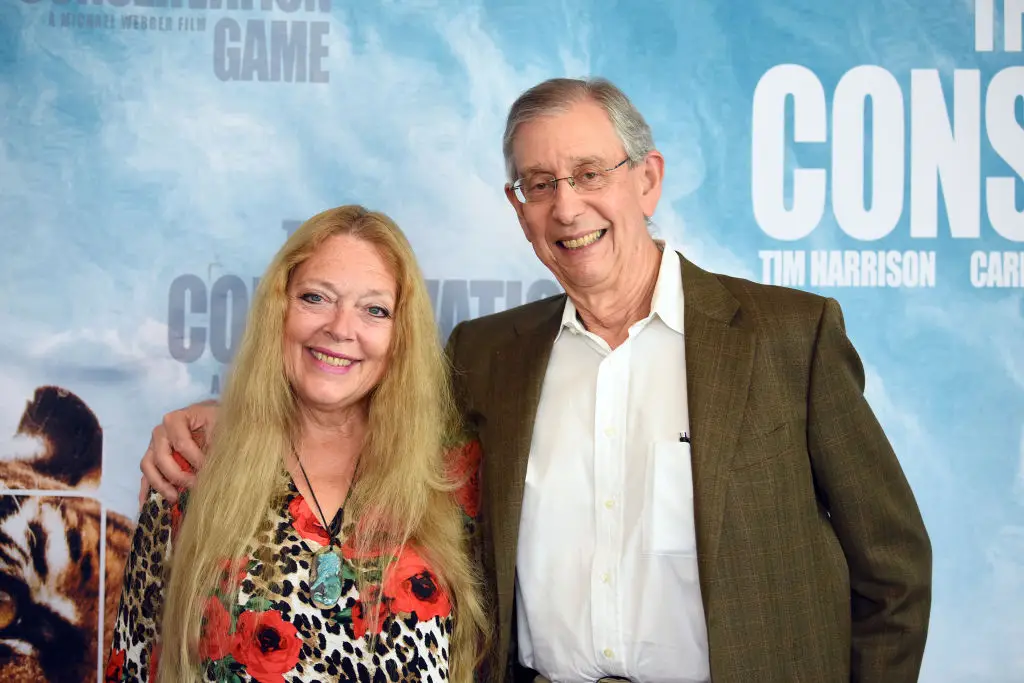
Why Carole Baskin sold her $20 million big cat sanctuary
At its peak, Big Cat Rescue housed more than 200 animals, but by the time the Baskins began considering its future, that number had fallen to around 35.
Howard explained that maintaining the Tampa property was becoming increasingly expensive relative to the number of animals living there.
“The population of cats at Big Cat Rescue gradually declined to 35 cats,” he said. “It became increasingly inefficient on a cost per cat basis to operate the sanctuary since much of the cost was overhead in maintaining the property.”
There was another significant consideration: the value of the land itself.
The 67-acre property, which had once been surrounded by largely rural land, had become increasingly valuable as development expanded around it.
“It made no sense to house a sanctuary on 67 acres that was now worth $20 million when there was so much need for funding for conservation.”
The Baskins therefore approached Turpentine Creek Wildlife Refuge, an accredited sanctuary in northwest Arkansas, with a proposal.
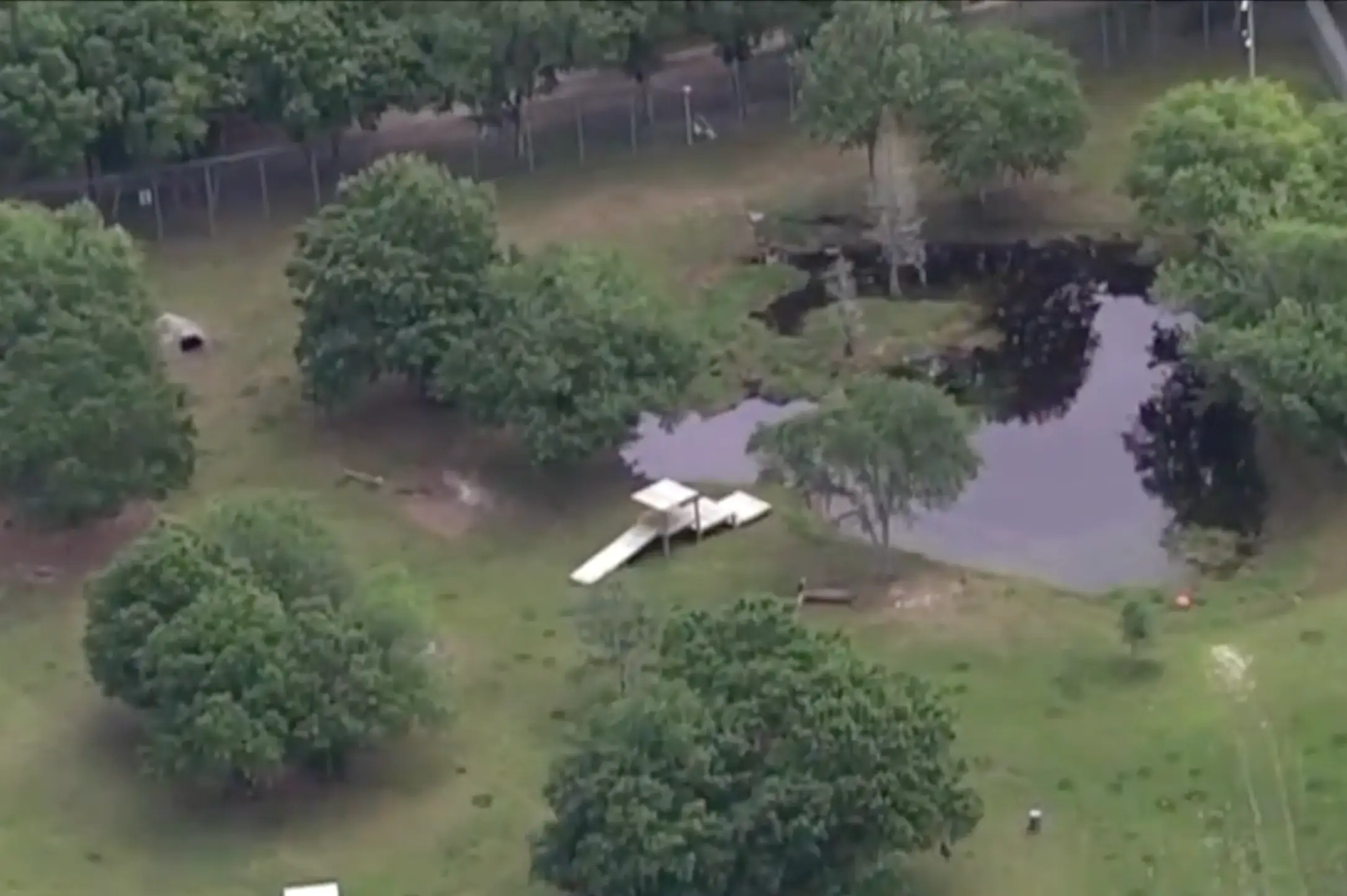
Big Cat Rescue offered to invest $2 million in building larger enclosures for its remaining cats, while continuing to pay an agreed amount towards their care for the rest of their lives.
Construction took place during 2023, with the last of the cats relocated to their new home by December 28 that year. The sanctuary property was subsequently sold, with the transaction bringing in approximately $20 million.
Big Cat Rescue has confirmed that it continues to fund the animals' food and medical care at Turpentine Creek.
The decision meant the organization could redirect considerably more money towards conservation.
“By investing the proceeds from the sale of the land, Big Cat Rescue could now donate over $1 million per year to conservation instead of donating $100k per year as it had in prior years,” Howard said.
The wild cats receiving help from Carole's new mission
Rather than concentrating primarily on the lions, tigers and other familiar species that tend to dominate conservation campaigns, Big Cat Rescue is now directing much of its funding towards smaller wild cats.
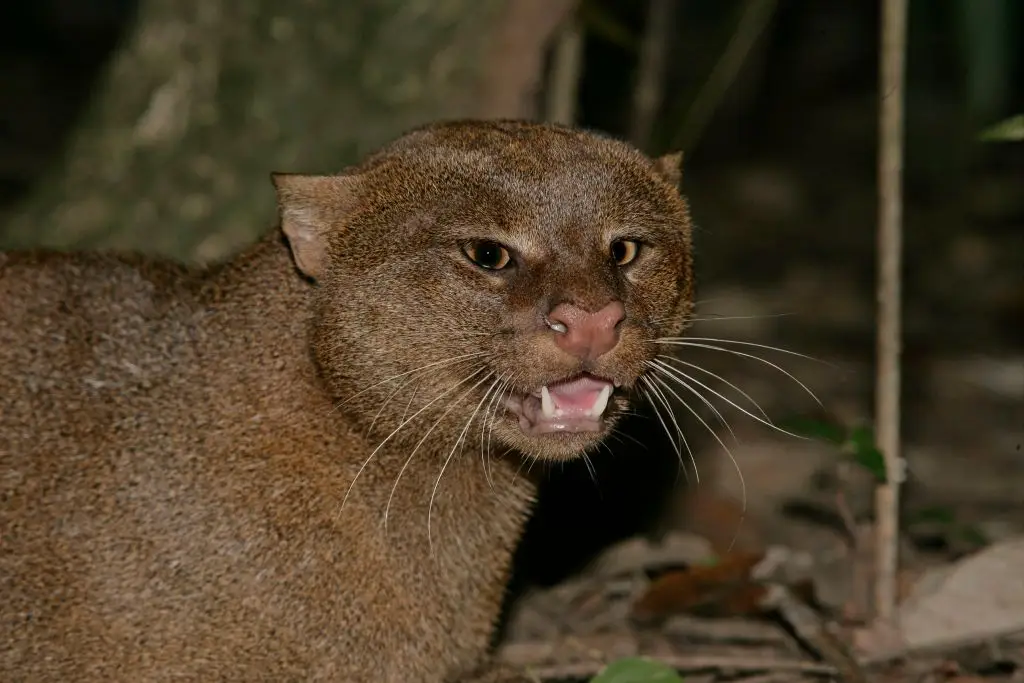
There are officially 40 wild cat species recognised by the IUCN Cat Specialist Group, with seven generally considered the iconic big cats.
According to Howard, more than 95 percent of the available funding for wild cat conservation goes towards those seven species.
That leaves smaller cats, including fishing cats, rusty-spotted cats, flat-headed cats and jaguarundis, competing for a much smaller share of the available resources.
And the consequences could be significant.
“Almost ALL of them are declining in number due to multiple threats to their existence,” Howard explained. “Ultimately if that continues they are all at risk of becoming extinct.”
The challenge of conflict between wild cats and people living near their habitats
For farmers with only a small number of chickens, losing even one to a predator can have a serious financial impact. The animals can subsequently be hunted or poisoned in retaliation.
Big Cat Rescue is therefore helping fund projects that allow communities to coexist with the cats.
One example is providing materials to build predator-proof chicken coops, preventing wild cats from reaching livestock in the first place.
Howard also highlighted a rather unusual initiative in Peru, where the organization funded alpaca wool sweaters for young alpacas. The animals can be vulnerable to attacks from pumas, while also struggling to survive particularly cold weather.
The sweaters are designed to keep them warm, with metal collars intended to resist a puma's bite.
In neighbouring Chile, funding has also gone towards testing more advanced deterrent devices that use light and sound to scare away predators.
Another major priority is preventing diseases from spreading between domestic animals and wild cats.
Educating locals about the role of the cats in the ecosystem and showing they can coexist
Big Cat Rescue supports mobile vaccination and spaying and neutering programmes in communities near protected habitats, helping prevent free-roaming dogs and cats from passing potentially fatal diseases to wild populations.
Howard stressed that educating local communities is just as important as providing equipment and funding.
“By educating the local people about the role of the cats in the ecosystem and showing that they can coexist with the cats and even benefit from them (such as rodent control), the WG members are able to make a 180-degree change in attitude about the cats from viewing them as an enemy to taking pride in helping preserve them.”
Carole Baskin is now using AI to help save wild cats
There is another surprising element to Carole's new conservation work, and it involves artificial intelligence.
She has recently been asked to become a member of the IUCN Cat Specialist Group, which brings together experts working to understand and protect wild cat species.
One problem facing conservationists is that huge amounts of research, including photographs and footage captured by field cameras, are scattered across different organizations and locations. This means valuable information is not always easily accessible to researchers working on similar projects elsewhere.
Howard explained that Carole is now using her AI skills to help bring that information together into one central, searchable resource.
“Carole has always kept Big Cat Rescue at the forefront of technology going back to the early days of the internet, through the evolution of social media, and now with the emergence of artificial intelligence,” he said.
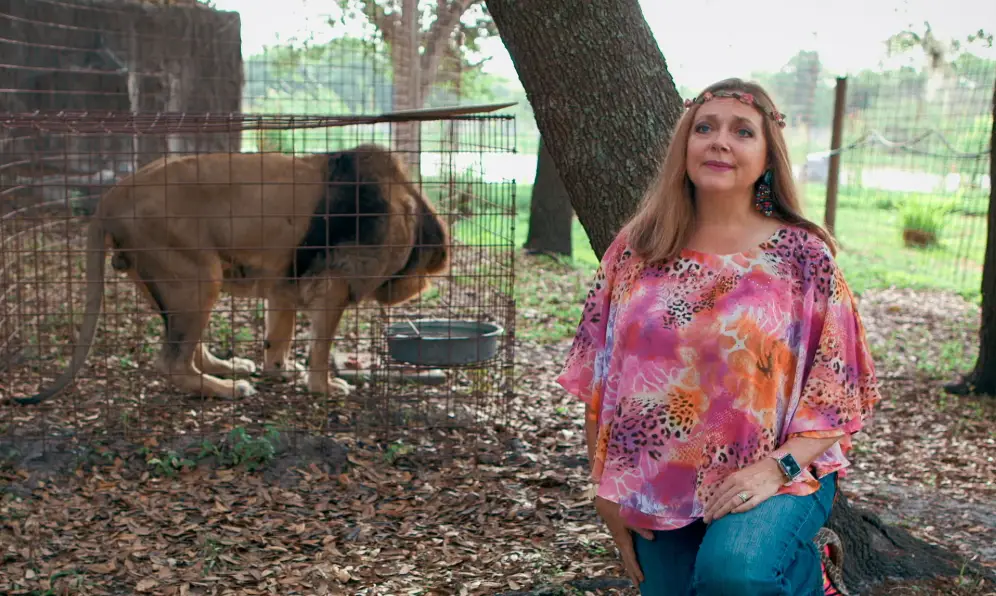
“She is currently spending a significant amount of her time using AI to collect and organize the research and data, including past published research, into a central repository that will be easily searchable by all of those working on wild cat conservation.”
And the ambitions don't stop there.
Howard said Big Cat Rescue expects to provide around half of all funding available for small wild cat conservation by 2027.
“Big Cat Rescue will be the source of about half of the total funding available for conservation of small wild cats, in effect doubling the amount that had historically been available for their preservation,” he said.
For a couple whose lives were dramatically changed by Tiger King, it's a rather different chapter. The sanctuary that once housed hundreds of animals is gone, but the Baskins insist their original mission remains.
The difference is that, having helped change the law and secure a future for the cats in their care, they're now using the proceeds of its sale to try to protect those that still roam free.
Topics: Carole Baskin, Tiger King
 Thomas Bamford