Here's what happened to Carole Baskin and her husband Howard after Tiger King

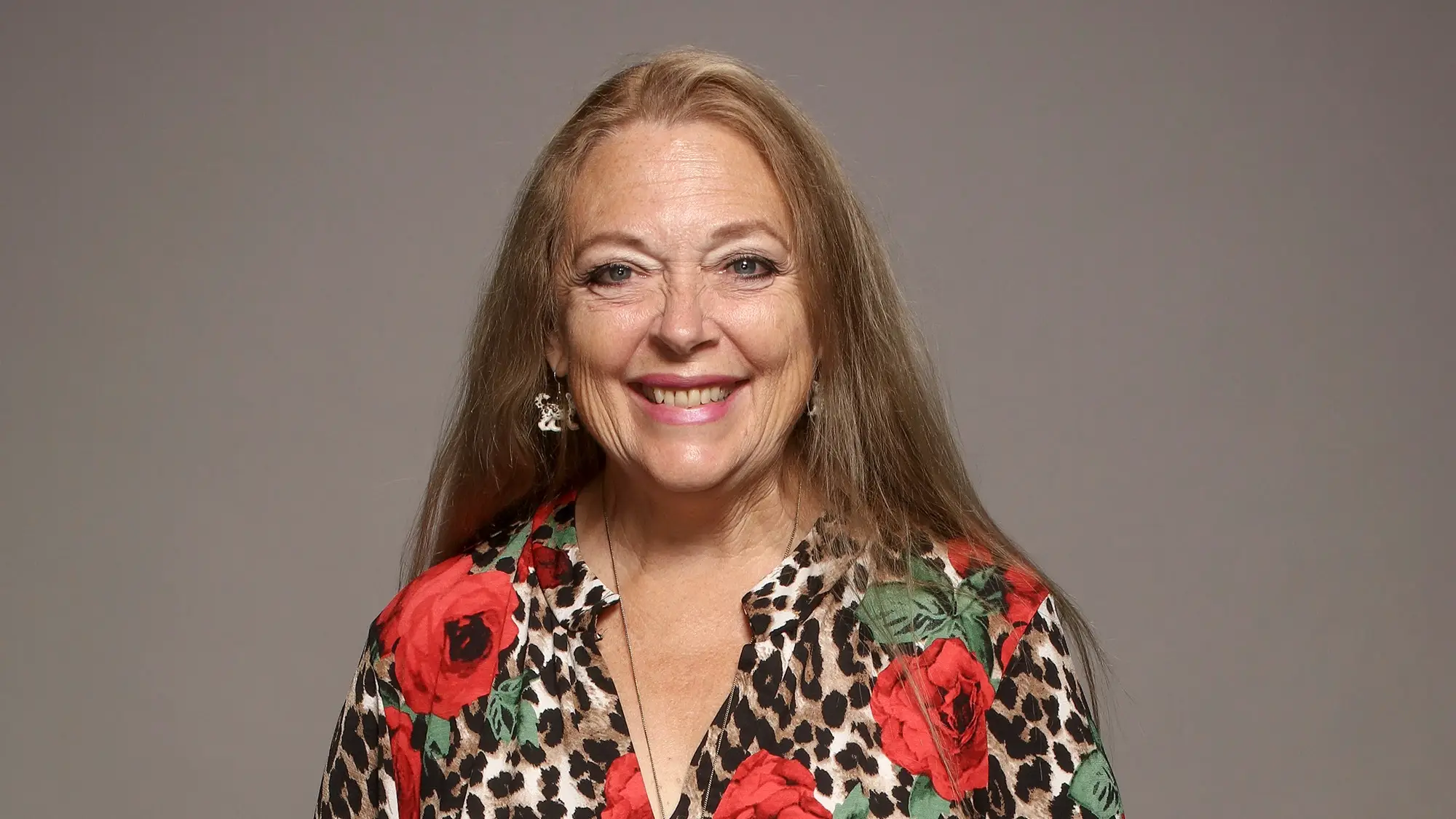
When Tiger King landed in 2020, it turned Carole Baskin into one of the most talked-about people on the internet.
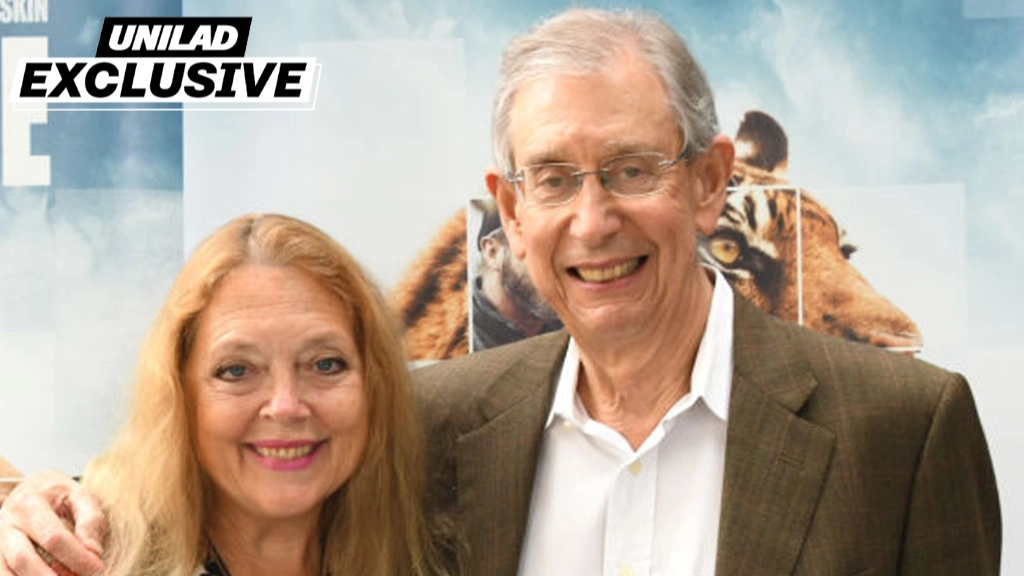
For her and her husband, Howard said it began as ‘an absolute nightmare’.
The couple say the producers told them they wanted to make 'the Blackfish of big cats' – a film exposing the cruelty behind the industry.
A few years into filming, they were shown a 13-minute reel that portrayed Carole as a heroine.
Advert
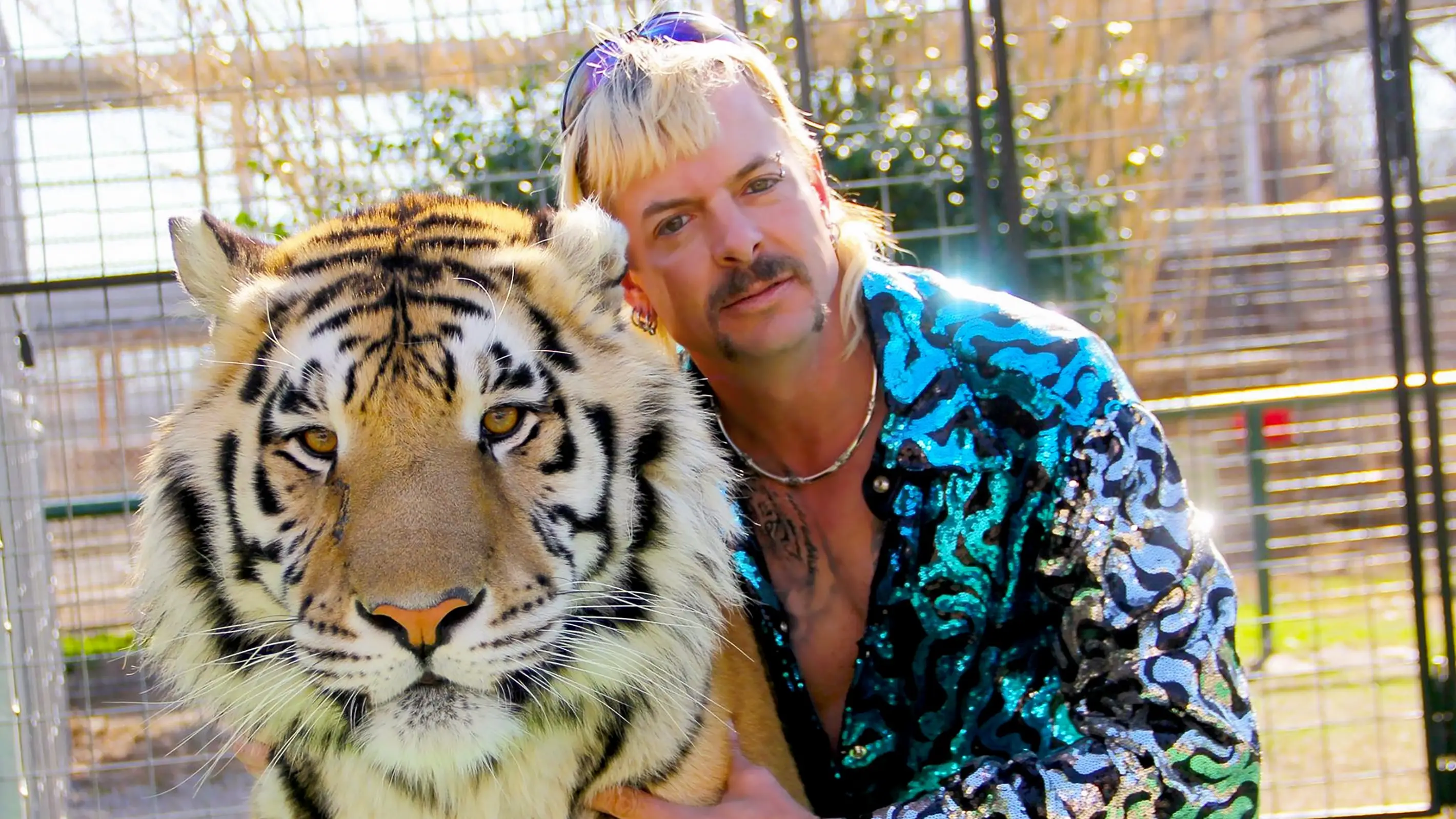
What aired was very different. Howard told UNILAD: "Painting Joe Exotic as a sympathetic victim and Carole as responsible for her former husband's disappearance did a huge disservice both to Carole and to the animals."
"It was no Blackfish," he said. "There was almost no effort to expose the abusive backstory behind cub petting and having big cats in cages."
He also questions how the show found such a huge audience: "How many people would have watched Tiger King if COVID did not have them stuck at home, frustrated, with nothing else to do, we will never know."
The fallout was ugly. "People sitting home frustrated with nothing else to do took out their frustration on Carole," Howard said.
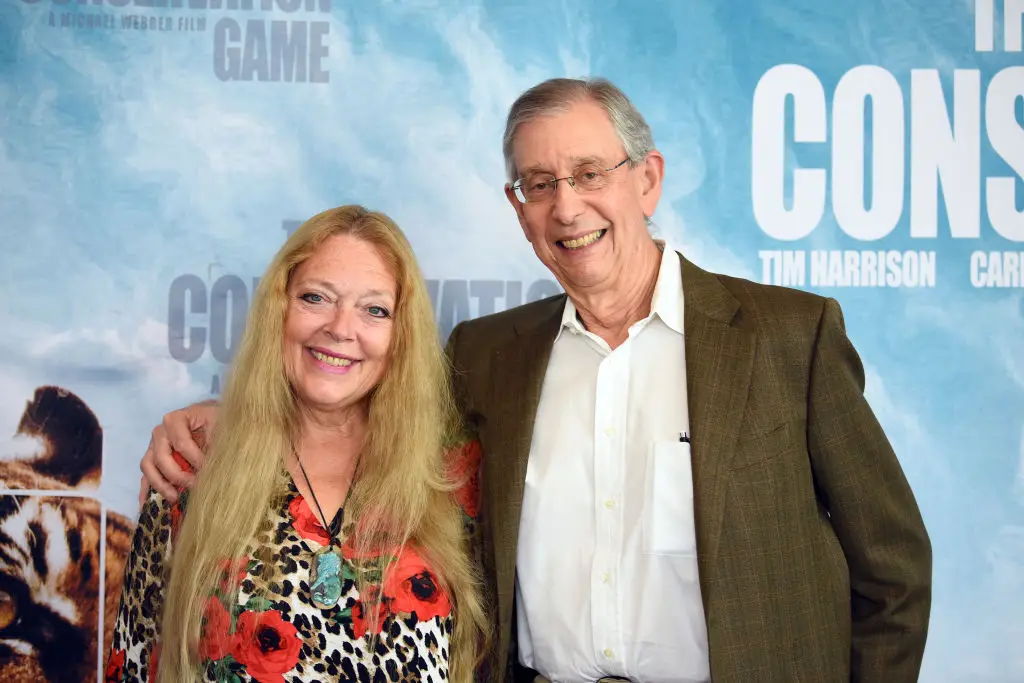
For months, she was barraged with calls, emails and texts, many of them threats or obscene messages. She and Howard carried handguns in their cars and beefed up security at home.
The couple say people they met in person were always polite and supportive. "The hate was hidden behind the cowardice of anonymity," Howard said.
Over time, opinion swung back. "People have become aware of the falsehoods in the film," he said. Peacock's Joe vs. Carole, in which Kate McKinnon played Carole and Kyle MacLachlan played Howard, helped, and he said it portrayed the Baskins more accurately.
What most viewers didn't know is that Carole had been fighting this battle for years.
From 1998 to 2003 she worked on the Captive Wildlife Safety Act, banning the sale of big cats across state lines as pets. It passed both Houses unanimously, but a drafting error made it impractical to enforce.
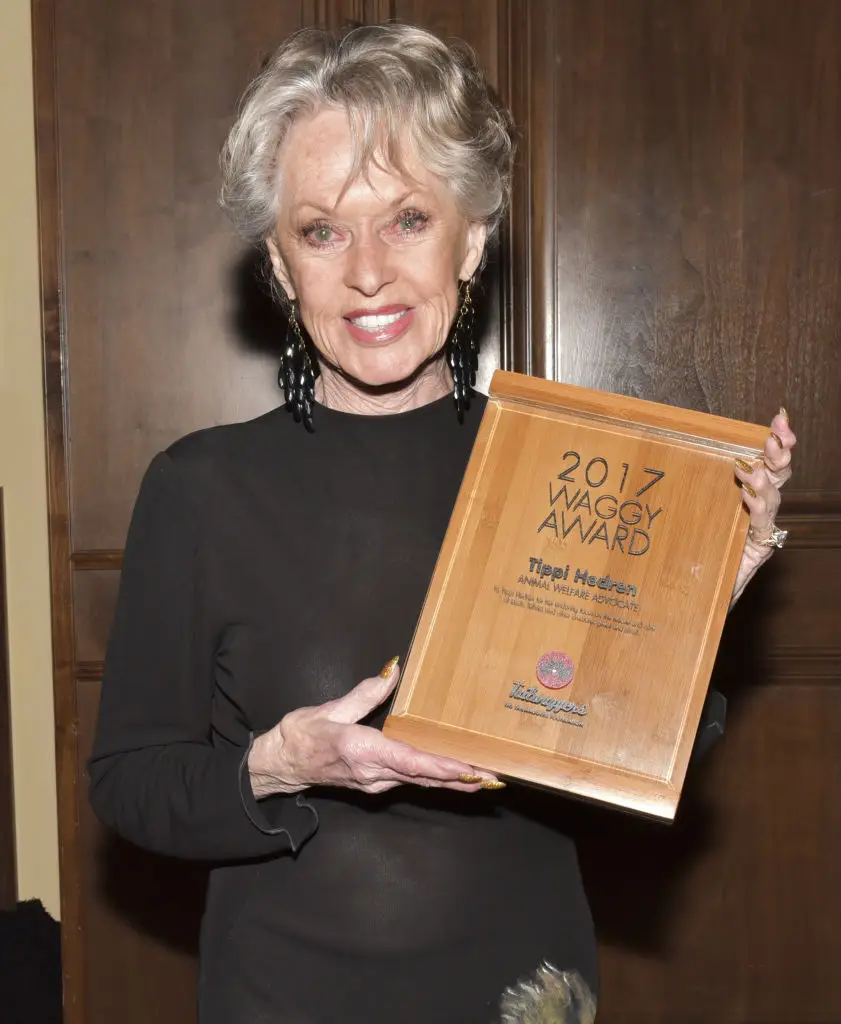
A later bill by actress and sanctuary operator Tippi Hedren, which would have banned breeding of big cats, never gained traction.
In 2012, a coalition of animal welfare groups introduced the Big Cat Public Safety Act. Howard managed the effort operationally for Big Cat Rescue, with Carole as the face of it.
Despite everything, Howard said the show ended up helping. "It built very broad awareness of an industry that the public and most legislators were oblivious to."
One scene in particular stuck: a newborn cub pulled from its mother by a hooked metal pole and squeezed through the cage wire. "People 'got' that there was something very wrong here," he said.
It also made Carole a celebrity. One of Big Cat Rescue's lobbyists pointed out that legislators tend to like meeting celebrities, so in November 2021 he suggested setting up appointments in DC.
Carole made three three-day trips, booked solid each time.
"Incredibly, in about half of these meetings the legislator did attend," Howard said. "In some offices everyone was dressed in cat print."
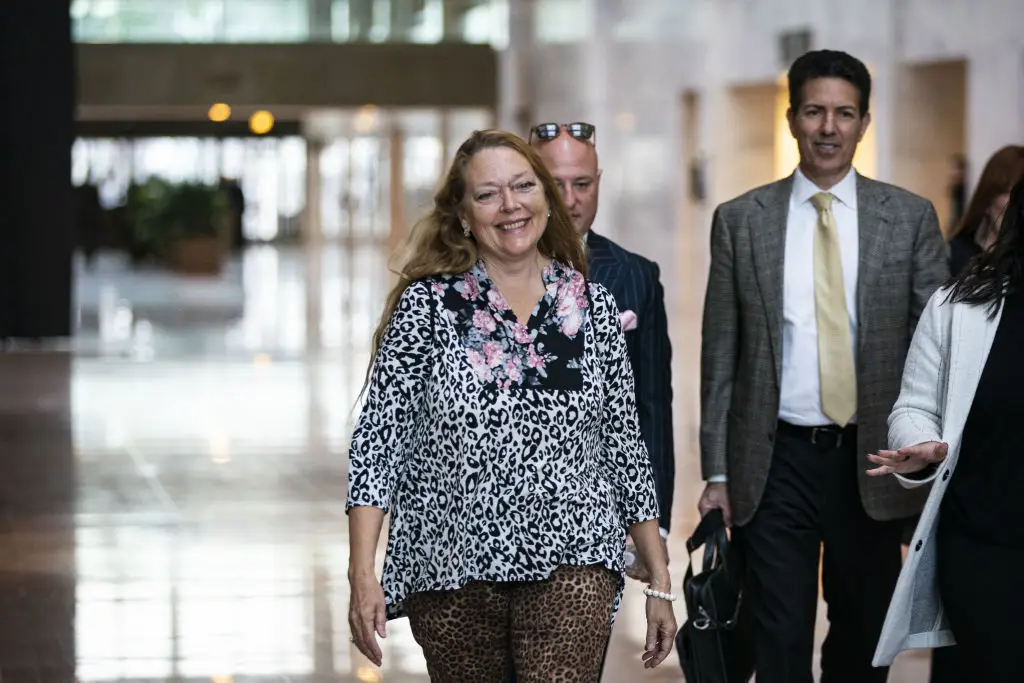
Many of the visits were with conservative lawmakers not known for backing animal welfare, including Senator Ted Cruz, who posed for photos with Carole outside the building.
"The visits would not have happened without the awareness of the industry and the fame for Carole that came from Tiger King," Howard said.
On December 20, 2022, the Big Cat Public Safety Act became law.
It does two things: it bans public contact with big cats, ending cub petting, and it phases out private ownership by anyone without a USDA licence to exhibit to the public.
Howard explains why that mattered: "The vast majority of mistreatment of big cats came from the cub petting operations. The need for a constant supply of cubs resulted in female tigers being bred repeatedly much more frequently than in the wild."
Carole believes it ended 90 percent of captive big cat mistreatment in the US. The law is actively enforced by the US Fish & Wildlife Service, and Howard has worked closely with them to identify the few violations that have occurred.
With the law passed, the Baskins changed course. The cats at their Tampa sanctuary had fallen to 35, while development had grown up around the 67 acres, which were now worth $20 million.
"It made no sense to house a sanctuary on 67 acres that was now worth $20 million when there was so much need for funding for conservation," Howard said.
Big Cat Rescue offered to spend $2 million on new, larger enclosures at Turpentine Creek Wildlife Refuge in Arkansas, and to pay for the cats' care for as long as they live. The cats moved in 2023.
The impact on conservation funding has been huge. "By investing the proceeds from the sale of the land, Big Cat Rescue could now donate over $1 million per year to conservation instead of donating $100k per year as it had in prior years!" Howard said.
The couple's priorities have flipped too. They now dedicate a large preparation of their time to the conservation of big cats in the wild.
Of the 40 recognised species of wild cat, seven are the famous ones, like lions, tigers and leopards. "Over 95 percent of the funding available for wild cat conservation goes to these species," Howard said.
That leaves 33 smaller species, including fishing cats, sand cats and ocelots, and more than half are classed as endangered, vulnerable, or near threatened.
"It is simply a matter of what order they disappear in, and how long it takes."
Big Cat Rescue funds volunteer-led working groups around the world. Some projects are widely known and implemented, like predator-proof chicken coops.
"If a cat steals a chicken, it is hugely significant to a small farmer who may only have a dozen chickens," Howard said, and farmers who can't protect their birds may kill the cats.
Others are more unusual. In Peru, it paid for what Howard calls 'alpaca wool sweaters for young alpacas', with metal collars that can resist a puma's bite. In Chile, it funded light-and-sound devices to scare off predators.
Meanwhile Carole is now a member of the IUCN Cat Specialist Group, and is spending much of her time using AI to bring research and field camera data into one searchable database for conservationists worldwide.
By 2027, Big Cat Rescue is expected to provide about half of all funding available for small wild cat conservation.
Topics: Tiger King, Carole Baskin
 Thomas Bamford