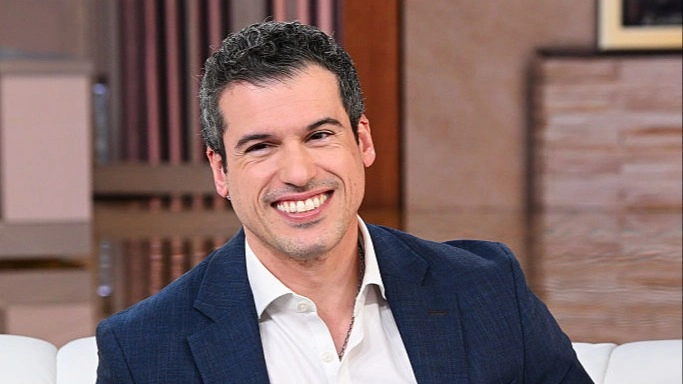
Symptoms of coronary artery disease as GMA star Gio Benitez, 41, reveals his diagnosis

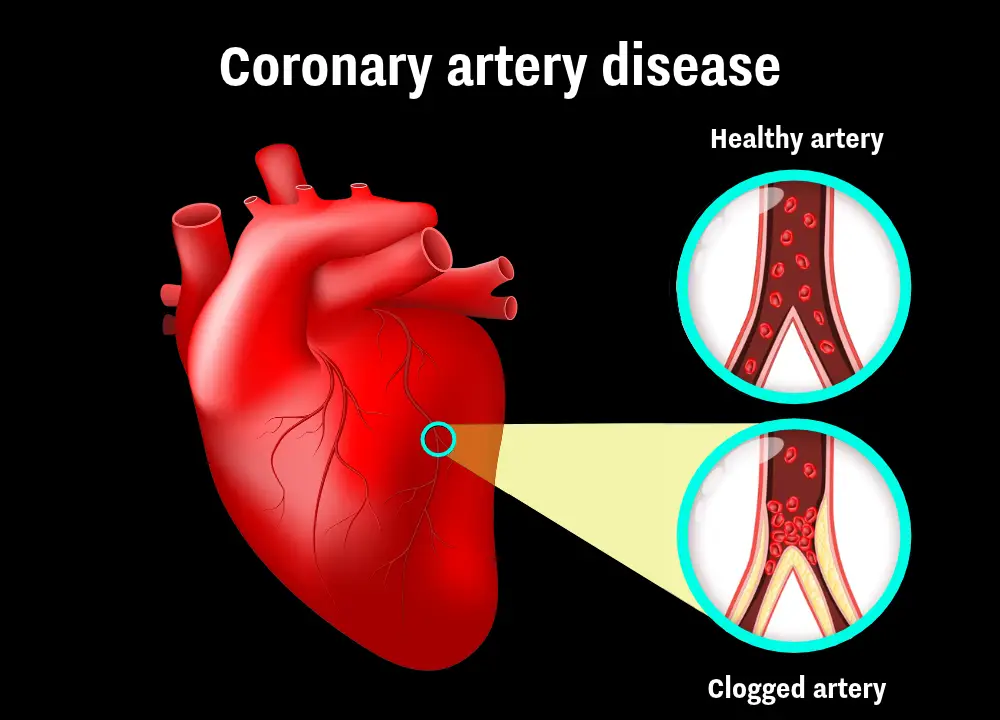
Good Morning America Sunday co-anchor Gio Benitez has revealed he is living with coronary artery disease, a buildup of plaque in the arteries that supply blood to the heart.
Speaking to PEOPLE, the 41-year-old said he learned the news earlier this month, when a coronary artery calcium scan came back the next morning with a score of 137.
He had expected a zero, meaning no detectable calcified plaque, while anything above 100 signals elevated cardiovascular risk.
"I couldn't believe it. My other tests were fine and now here it was - my worst fear, coming true," he said.
Advert
Benitez, who also works as ABC News' transportation correspondent, exercises regularly, eats healthily and does not smoke, with no history of diabetes or high blood pressure.
His cholesterol has generally been in a healthy range, and he hosts fitness segments across the network.
Even so, heart disease runs deep in his family. "My grandmother, 61 years old - died of a heart attack," he said, adding that an aunt and two uncles also died young after heart attacks.
One grandfather underwent triple bypass surgery.
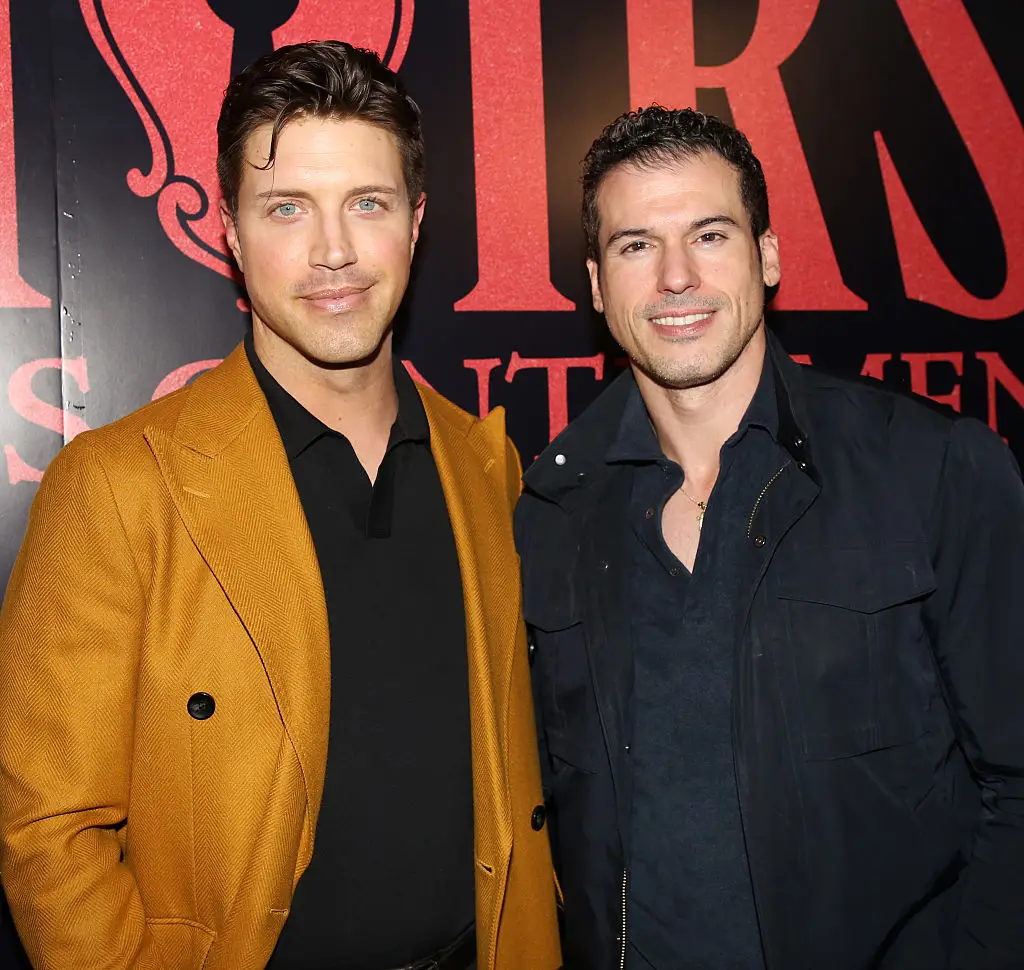
"I actually had panic attacks every night for about a week after I heard," Benitez said, explaining that his fears surfaced once his husband, Tommy DiDario, went to sleep or he was in a hotel room while traveling for work.
Benitez had already taken a cardiac stress test with another cardiologist, who found no cause for concern. The doctor even questioned the need for it, telling him: "I don't even know why you're here. You pass this with flying colors."
Dr. Tara Narula, ABC News' chief medical correspondent and a practicing cardiologist, said the two tests look for different things.
"A stress test can be normal and you can still have heart disease," she said, explaining that a stress test evaluates the heart's response to exertion while a calcium scan looks for plaque.
It was Narula who first suggested the scan. About a year ago, the two were working on a heart health segment when Benitez shared his concerns, prompting her to review his history and recommend it.
His reporting schedule kept getting in the way, so he put it off until a few weeks ago.
The diagnosis does not show how narrowed his arteries may be, but Narula said it means he needs immediate steps to lower his risk of a future heart attack or stroke, including statins, exercise, a heart-healthy diet, sleep and stress management.
What are the symptoms of coronary artery disease?
Symptoms of coronary heart disease often include chest pain, known as angina, which typically affects the middle or left side of the chest and can feel like squeezing, pressure, tightness, or the sensation of someone standing on you.
In addition to chest discomfort, the condition can cause shortness of breath, leaving you feeling unable to catch your breath, as well as unusual fatigue when the heart cannot pump enough blood to meet your body's needs.
Benitez has chosen to go public while still processing the news. "If there is any risk for you, I want you to do this; I want you to have this conversation with your doctor," he said.
Narula stressed that not everyone needs a calcium scan, which is more commonly considered for adults over 40 unless family history or other risk factors warrant earlier screening.
It generally costs $100 to $150 and is not typically covered by insurance.
 Thomas Sidwell-Bamford