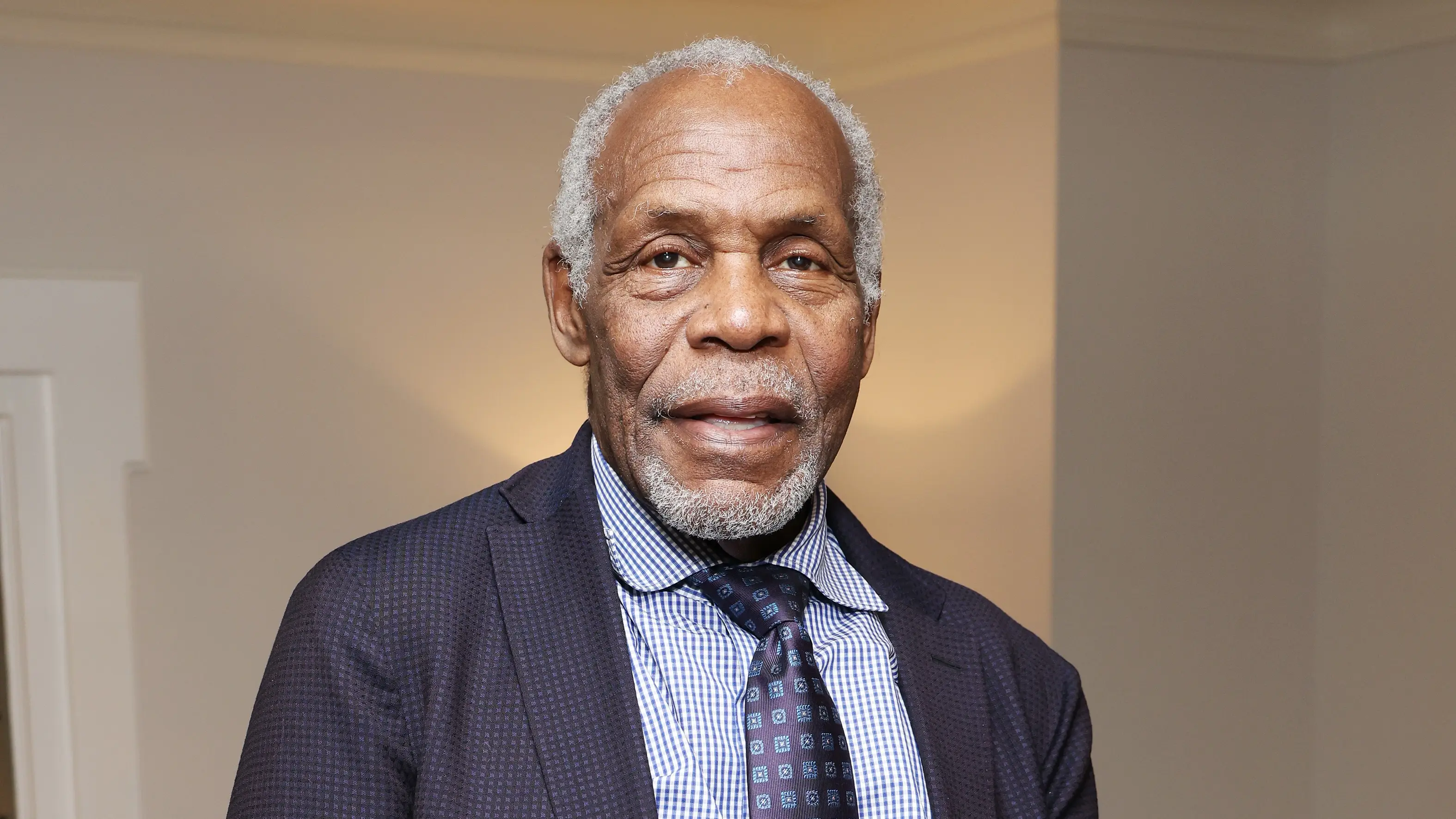
Danny Glover’s daughter reveals the heartbreaking first sign of his Alzheimer’s diagnosis

Hollywood icon Danny Glover has publicly revealed his battle with Alzheimer’s disease, with his daughter sharing the subtle, heartbreaking behavioral shift that first tipped the family off to his condition.
In an emotional joint interview with Today and People magazine, the 79-year-old Lethal Weapon and The Color Purple star disclosed that he has been living with the progressive, memory-destroying brain disease since receiving a formal diagnosis.
Glover, who turns 80 later this month, explained that while the disease has begun to visibly slow his physical movements, speech, and memory retrieval, he is actively refusing to let the condition dictate the remainder of his life.
“I’m still not accepting in my mind all parts of it,” Glover admitted candidly. “There are the moments that you keep remembering that validate the fact that you can remember stuff. And there are moments I’ll never forget. I don’t feel like it’s the end of my life. There’s work to do.”
Advert
The First Warning Signs
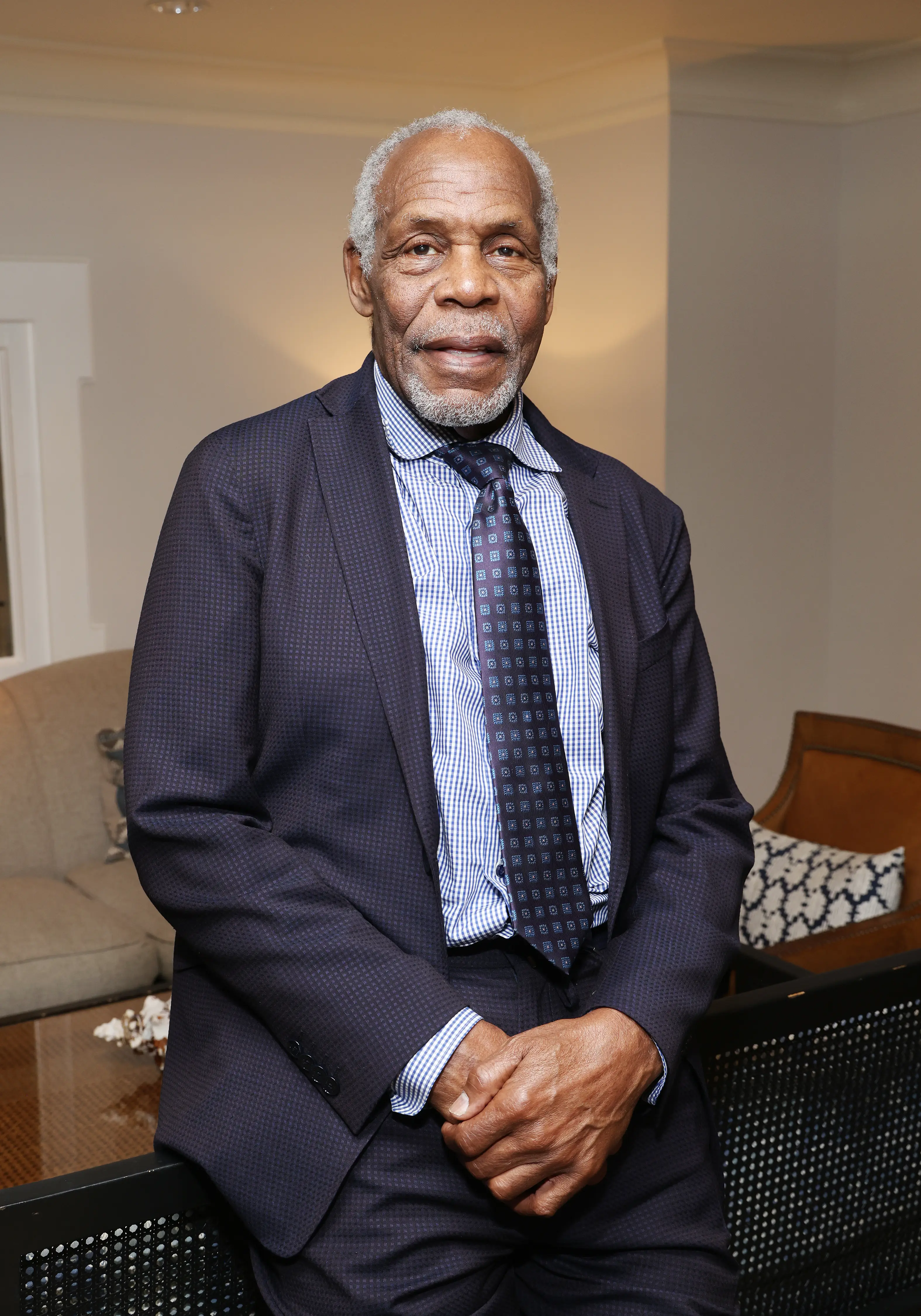
For the actor's daughter, Mandisa Glover, the reality of her father's cognitive decline first became apparent during routine family conversations.
Mandisa noted that her father had historically possessed a near-photographic memory. For decades, the actor could effortlessly recall hyper-specific details from his past with terrifying accuracy.
“The history of my dad is that he remembers every single thing back to 1970, what corner he was standing on, who he spoke to, what they spoke about, what color they were wearing, everything,” Mandisa revealed.
However, that changed when she noticed his most familiar, repeated anecdotes suddenly started to fray at the edges.
“He’d tell you so much about his parents — and I’ve heard those stories over and over — and there would be pieces of the story missing,” she recalled. “I said, ‘I wonder what’s going on.’”
The family ultimately sought medical answers, learning that Glover had been developing the disease.
The formal diagnosis came shortly after Glover was honored by the Academy with the prestigious Jean Hersholt Humanitarian Award.
Taking Control of the Narrative
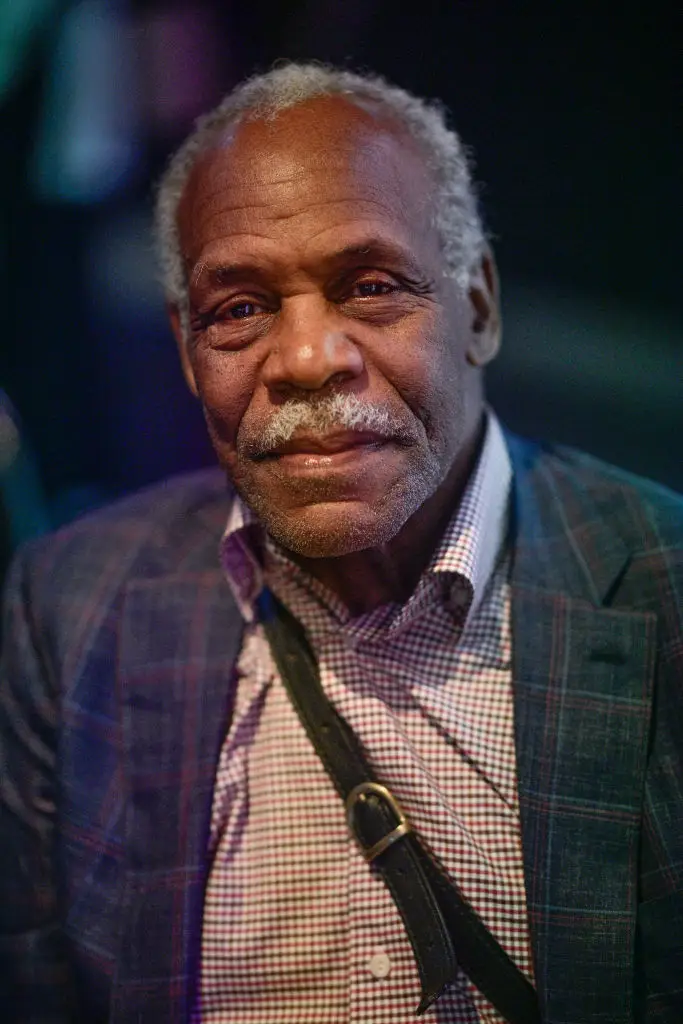
The family explained that they chose to step into the public eye to break the heavy stigma associated with neurodegenerative conditions. Mandisa emphasized that allowing her father to speak openly gives him agency over his own journey.
“I think it’s really important for him to have control of his own narrative, of his own life story,” Mandisa told Today's Lester Holt. “It’s important because people ask questions sometimes, and I don’t want to be a dishonest person and say, ‘Oh, yeah, everything is all right. It’s all great.’”
Despite the diagnoses, Glover remains rooted in his native San Francisco, maintaining a rigorous routine to keep his mind sharp. The activist notes that his mind is clearest first thing in the morning, which he spends reading and watching independent news broadcasts.
“I still have my daughter, I have friends,” Glover stated defiantly, delivering a message of hope to the millions of families navigating similar health crises. “I want to just say, your life continues.”
 Phoebe Tonks