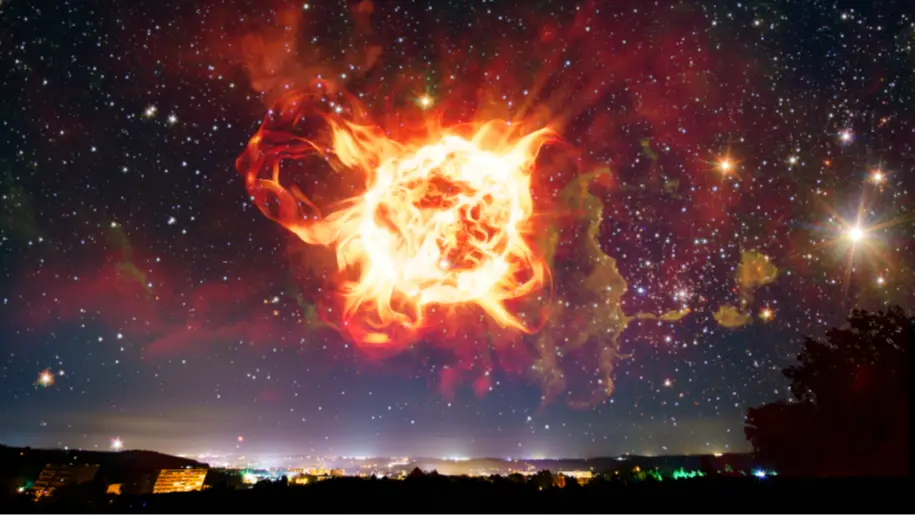
US sees giant fireballs in skies sparking concern about city-killing asteroid

2026 has been an eventful year: wars, strange natural weather events, and now 2,046 fireballs crashing toward Earth...wait, what?
You didn’t read that wrong. According to the American Meteor Society (AMS), people in the US have been reporting seeing fireballs in the sky, and the AMS has received more reports in just the start of this year, than in the first quarter of any other year after 2011.
However, the sightings have since sparked UFO theories as the Society revealed that not all of the tracked fireballs can be explained by local meteor showers or normal natural events.
Noting that the fireballs show a ‘pattern that warrants serious investigation’, the AMS reported there were 38 major events worldwide reported by more than 50 people, which is more than 2025 and 2024 combined.
Advert
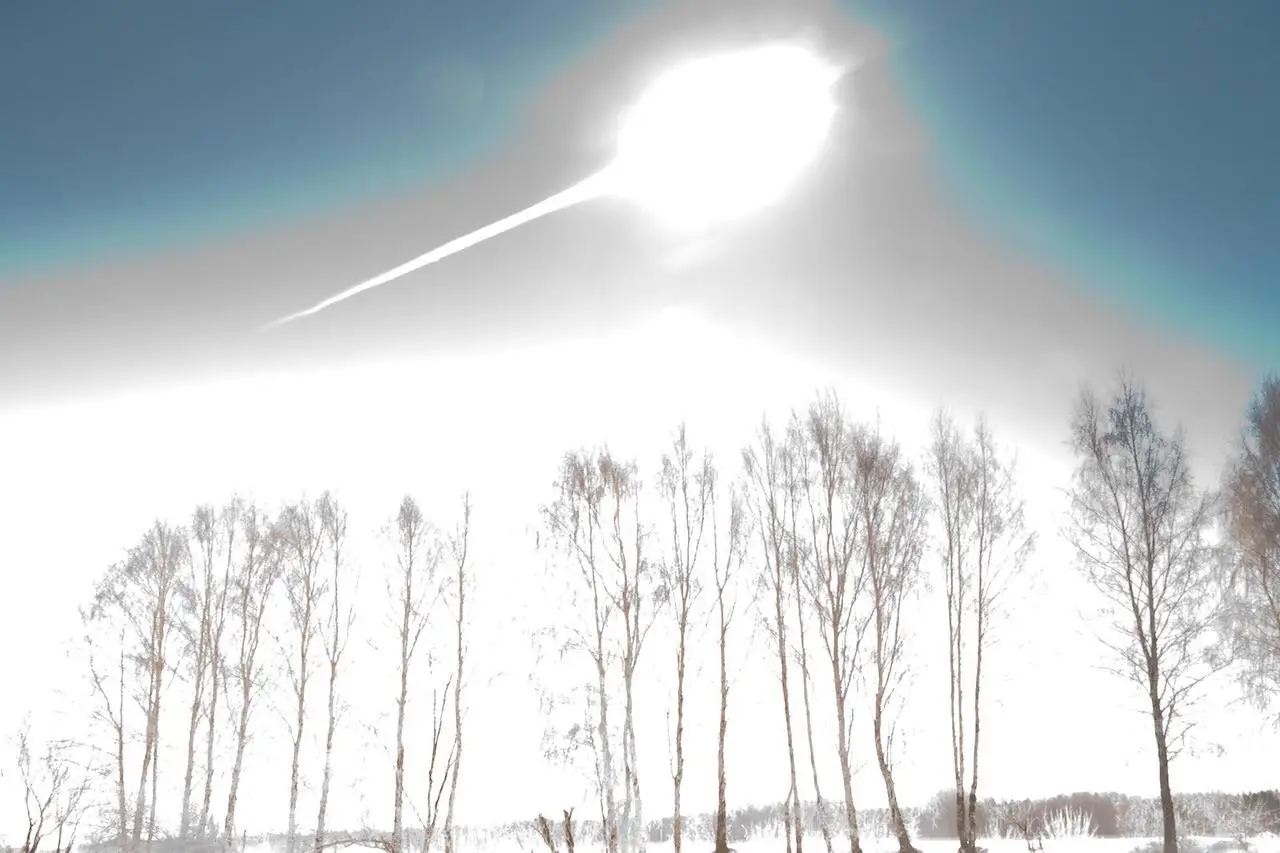
So, why have there been so many sightings?
According to the AMS, there is a strange increase in natural meteor showers – and not aliens.
However, they can still be something to fear, as if one of the meteors crashes into your home at the speed it takes to crash through Earth’s atmosphere and fall to the ground, it could cause chaos.
So far, the AMS reported that people have seen meteors that last longer than four seconds and some that even produce 'sonic booms', which can only happen at speeds of 25,000 miles-per-hour and above.
Despite the claims that none of the meteors have been linked to extra-terrestrial creatures, a March 17 sighting in Texas has had people online wondering if it could have been aliens due to its unusual trajectory.
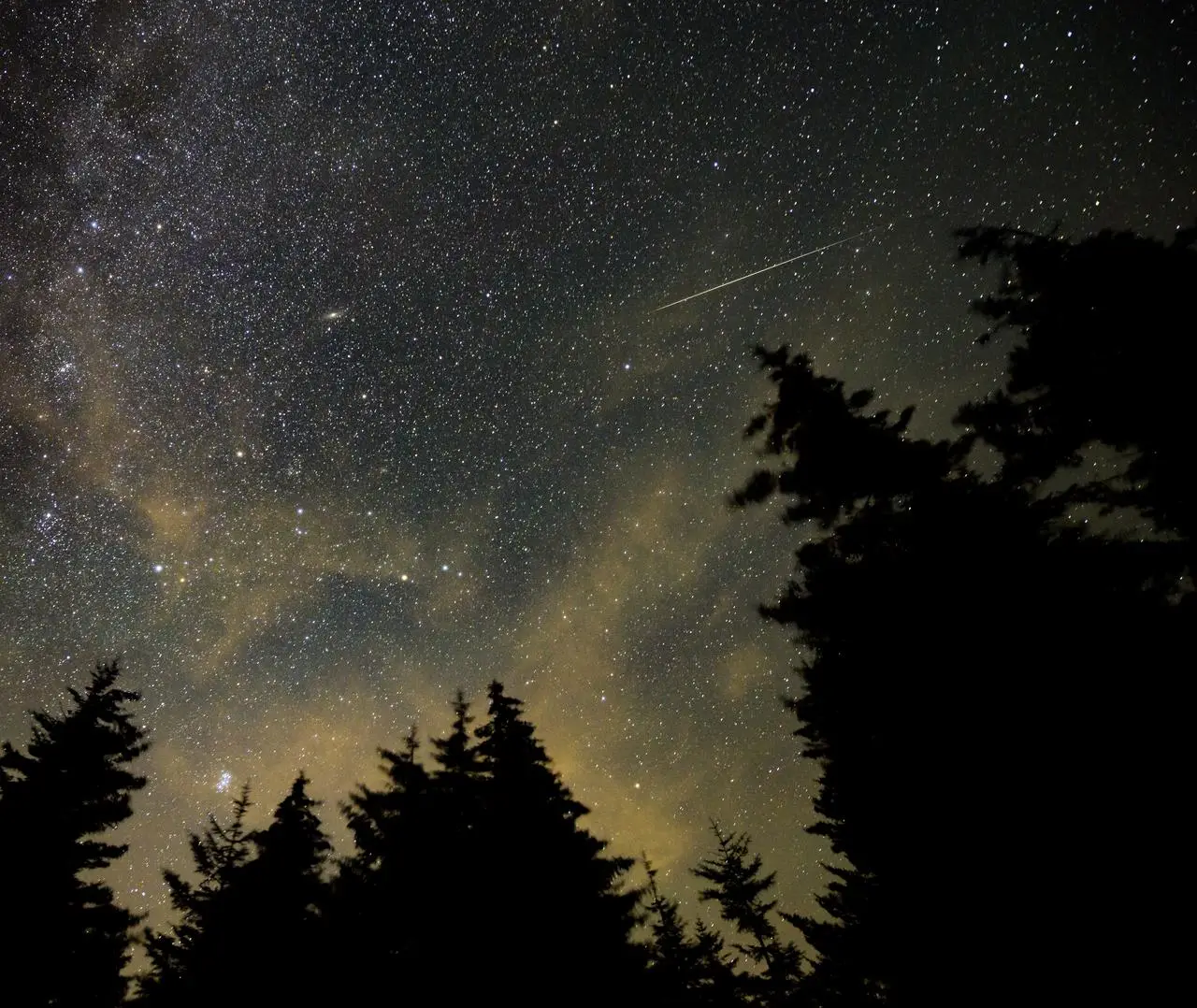
Instead of crashing down to earth, the orange streak of fire shot back up into the air.
The AMS insisted that the meteorites found on Earth recently have been achondritic HEDs – a type of meteor that doesn’t form grains called chondrules, which come from the asteroid, Vesta.
Vesta sits between Mars and Jupiter, and regularly has pieces breaking off to fall into our orbit before breaking through and crashing to Earth.
In one instance, a woman’s Houston home was the victim of a meteorite falling to the ground on March 21.
But the AMS said there could be a normal explanation for the uptick in sightings.
The Society shared that it could be down to people asking AI chatbots about what they saw, leading to them being signposted to the relevant websites to report it.
Noting that the last time there were more than 2,000 meteors in our atmosphere was in 2021, the AMS said events where meteors fall and cause harm are rare.
Even NASA weighed in on the increase in sightings, explaining: "Some astronomers think the Earth passes through more large debris at this time of year, causing an uptick in fireball sightings."
However, they too think the number of reports could be down to the fact that people have phones and technology to take a quick snap.
 Britt Jones