NASA just made astonishing find on asteroid and it could bring us closer to answering age-old question

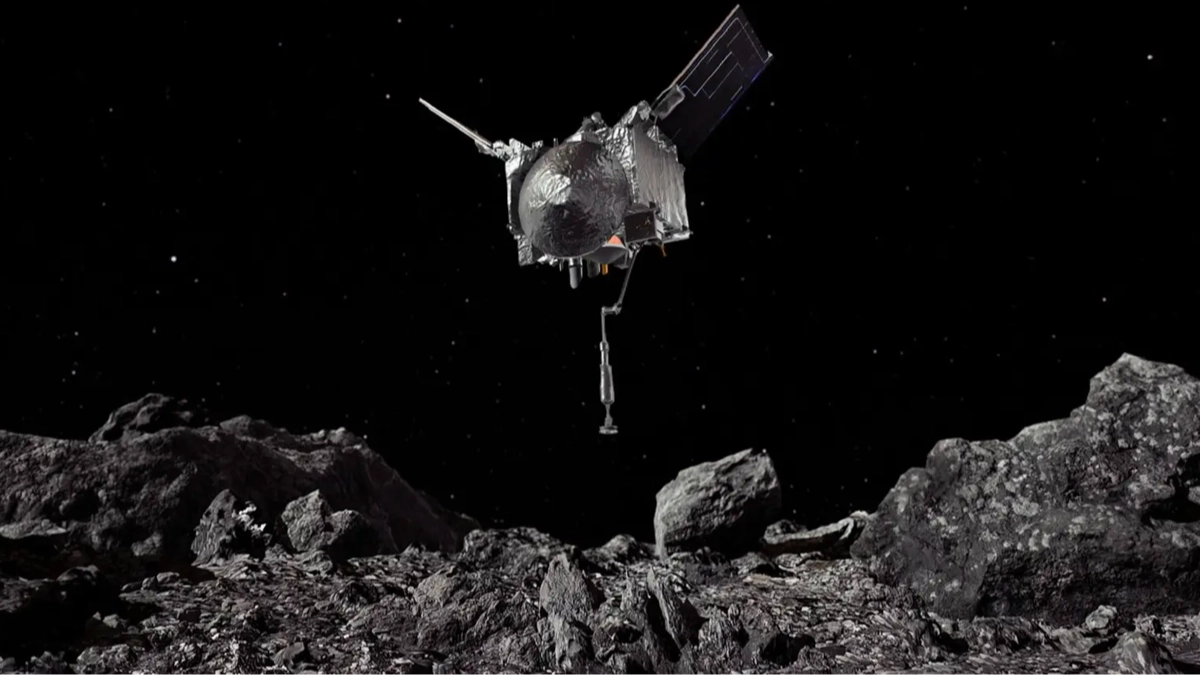
NASA has just made a shocking discovery about the asteroid Bennu, and it could help us crack one of life's age-old questions.
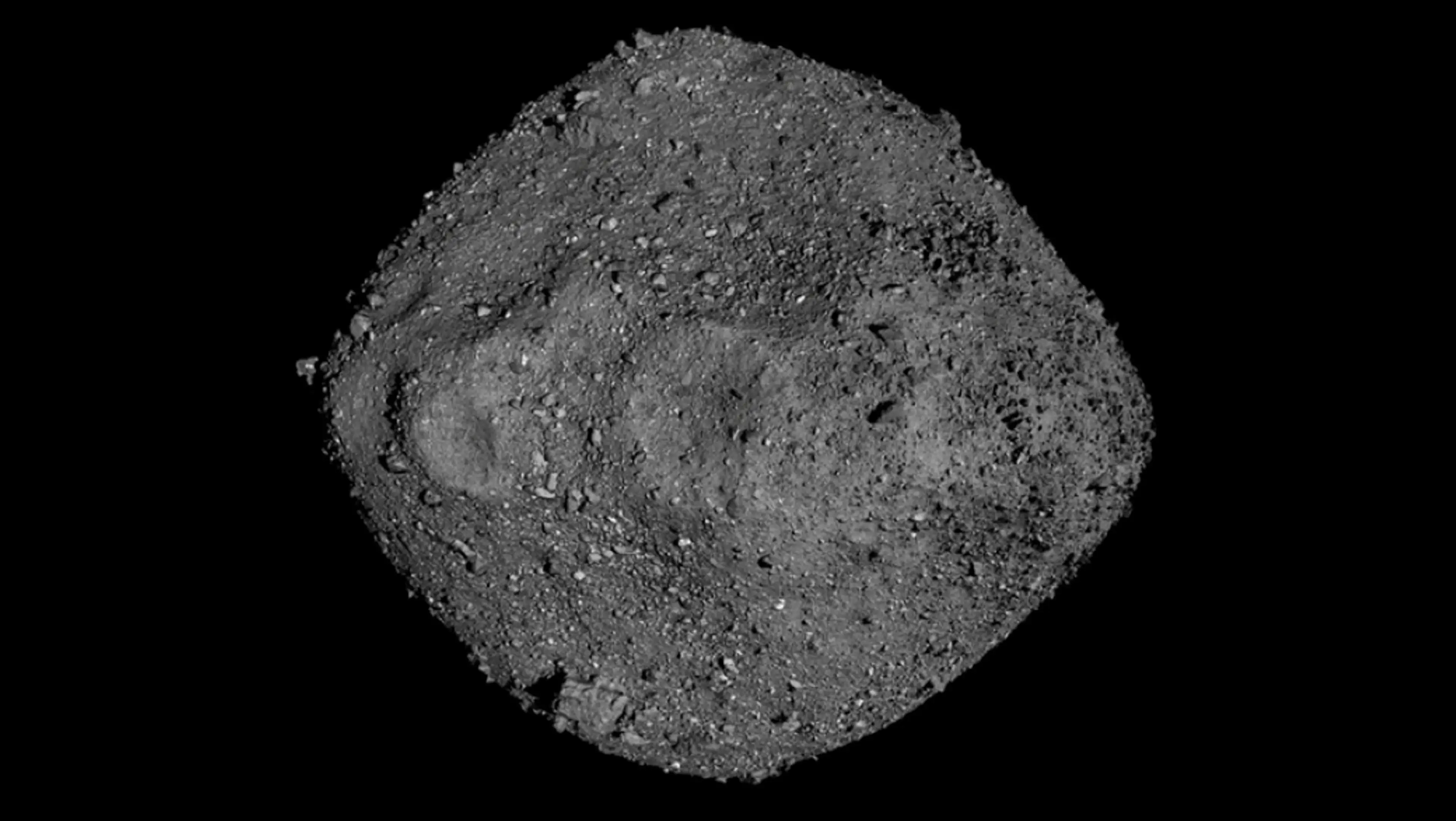
The space agency explains that Bennu is around one-third of a mile wide at its equator and is made of rocks formed nearly 4.6 billion years ago on a 'primeval world that has since been destroyed by a giant collision'.
"[Bennu] may have formed in the main asteroid belt between Mars and Jupiter, and drifted close to Earth since then. Bennu makes its closest approach to Earth every 6 years, coming within about 186,000 miles (299,000 kilometers) of our planet," NASA explains.
Advert
In a new discovery, scientists have found ribose, which is a five-carbon sugar, as well as glucose, on the asteroid.
Ribose is the main energy currency of cells and a fundamental building block of RNA, which is a molecule that is present in the majority of living organisms.
Although ribose has been reported in meteorites before, the new development marks the first time it has been found in an asteroid sample.
The findings could actually answer some huge questions about how life on Earth began, with experts believing the sugars are crucial to understanding what took place billions of years ago and how the solar system originated.
Study leader Yoshihiro Furukawa of Tohoku University in Japan said: “All five nucleobases used to construct both DNA and RNA, along with phosphates, have already been found in the Bennu samples brought to Earth by OSIRIS-REx.
“The new discovery of ribose means that all of the components to form the molecule RNA are present in Bennu.”
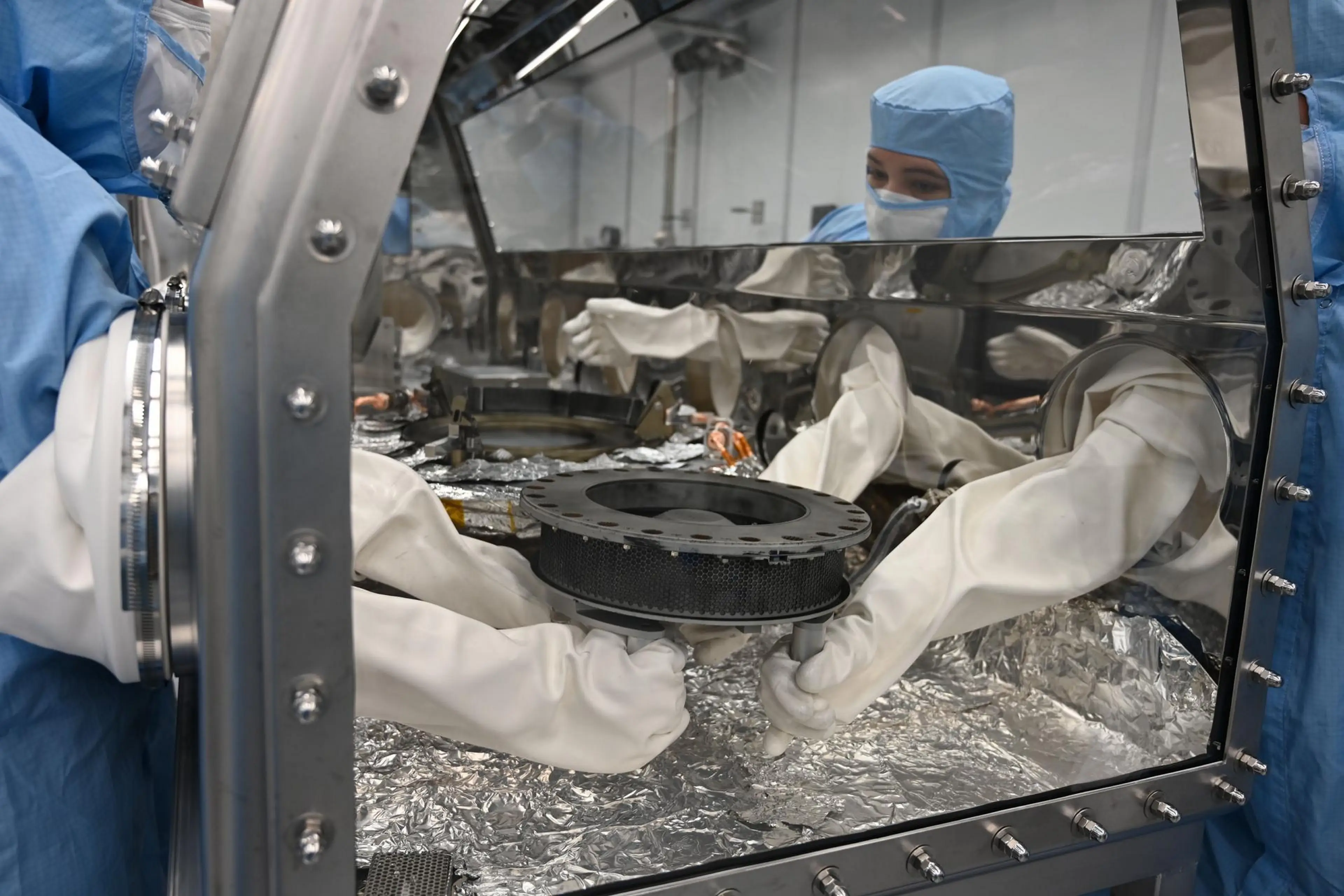
The findings, published earlier this week by the journals Nature Geosciences and Nature Astronomy, support a theory that some of the most basic molecules that make up DNA and RNA could be found in samples from the asteroid.
But it's not all that's hiding in Bennu.
Scientists also discovered a mysterious 'space gum' never seen in asteroids before, which could have helped trigger life on Earth.
The rubber and plastic-like material is believed to have formed when Bennu's parent asteroid went through a series of chemical processes in which it warmed due to radiation.
It's believed that carbamate was produced from this process, which later reacted with molecules to produce the gum.
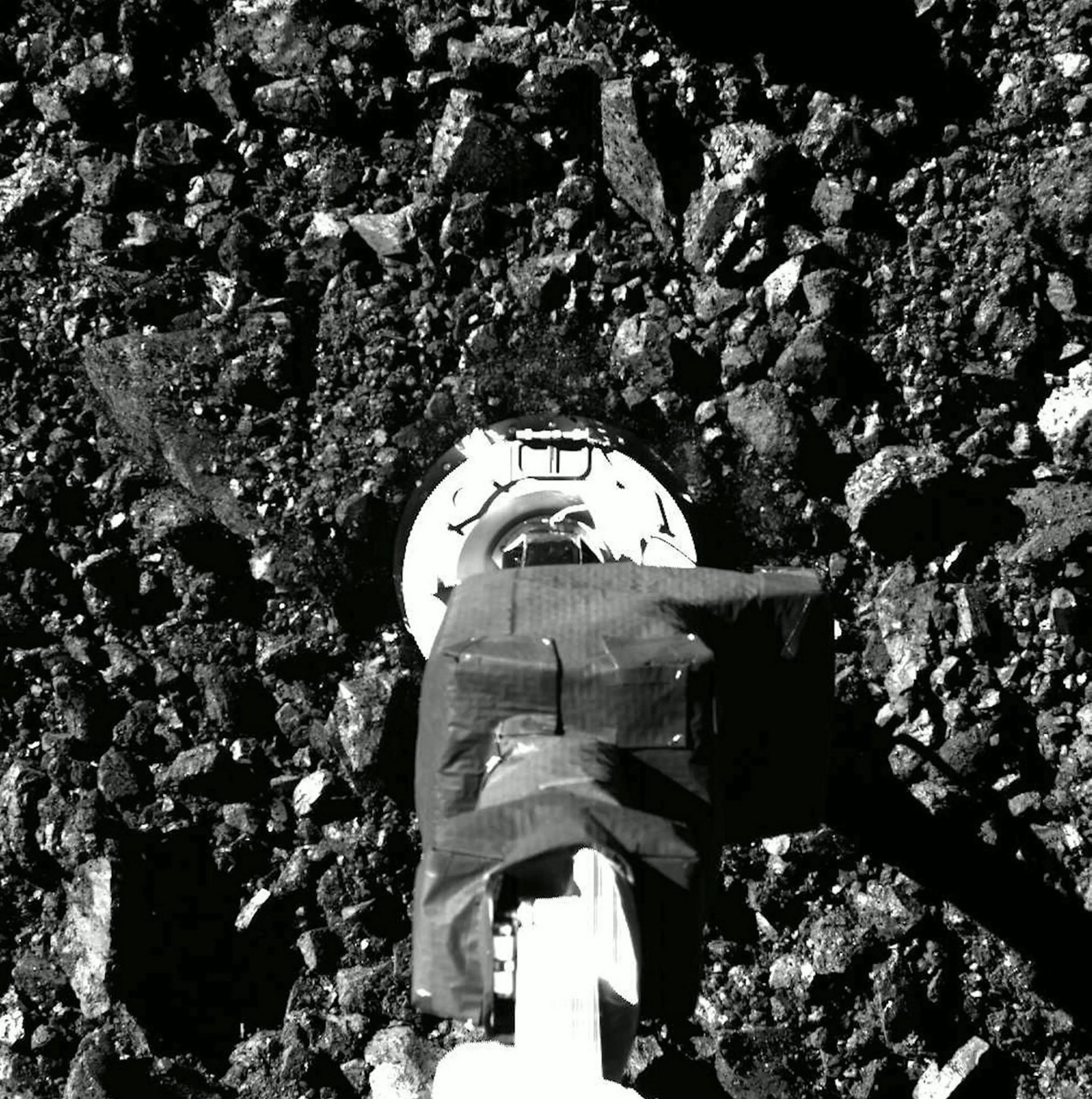
"With this strange substance, we're looking at, quite possibly, one of the earliest alterations of materials that occurred in this rock," said Scott Sandford at NASA's Ames Research Center and Zack Gainsforth of the University of California.
"On this primitive asteroid that formed in the early days of the solar system, we're looking at events near the beginning of the beginning."
Topics: NASA, Space, World News, Science
 Lucy Devine