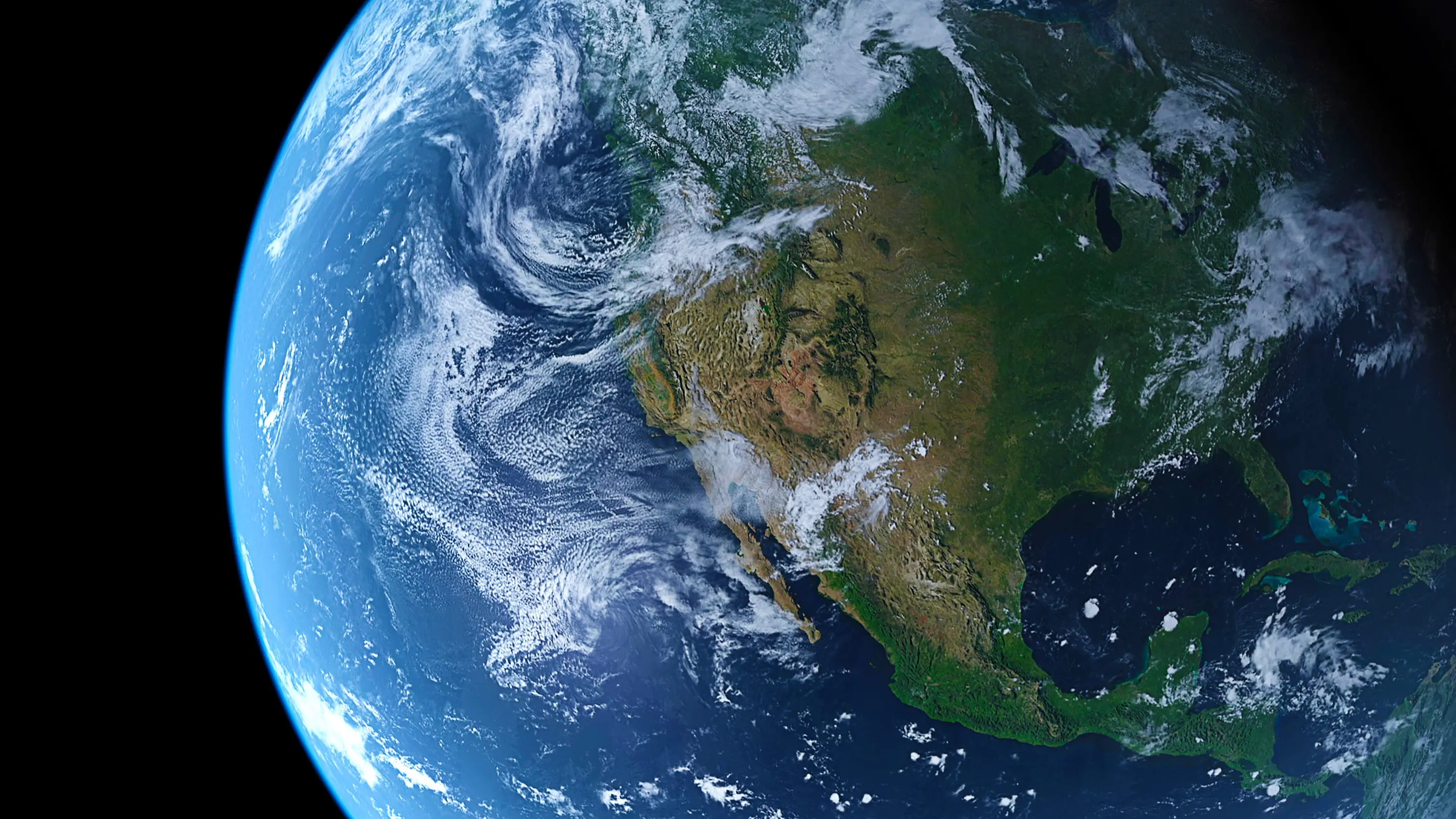
Meteor explosion in Earth’s atmosphere captured on camera in space for 'first time ever'

The incredible moment a meteor exploded in Earth's atmosphere has been captured from space for the very first time.
Some 30 meteor showers are visible from our planet every single year, including the Perseids and the Geminids, which produce large amounts of meteors per hour.
Yet small space rocks are constantly firing into Earth's atmosphere, though most of them burn up before ever making contact with us.
Back in November, satellite video platform SEN captured the moment a bolide meteor streaked across the sky and exploded above the North Pacific Ocean.
Advert
It's certainly not something the average person sees every day!
The moment was caught 408 kilometres away on the International Space Station (ISS) by Sen’s 4K Space-TV-1 camera system. The company is the first to livestream Ultra High Definition footage of our Earth almost 24/7.
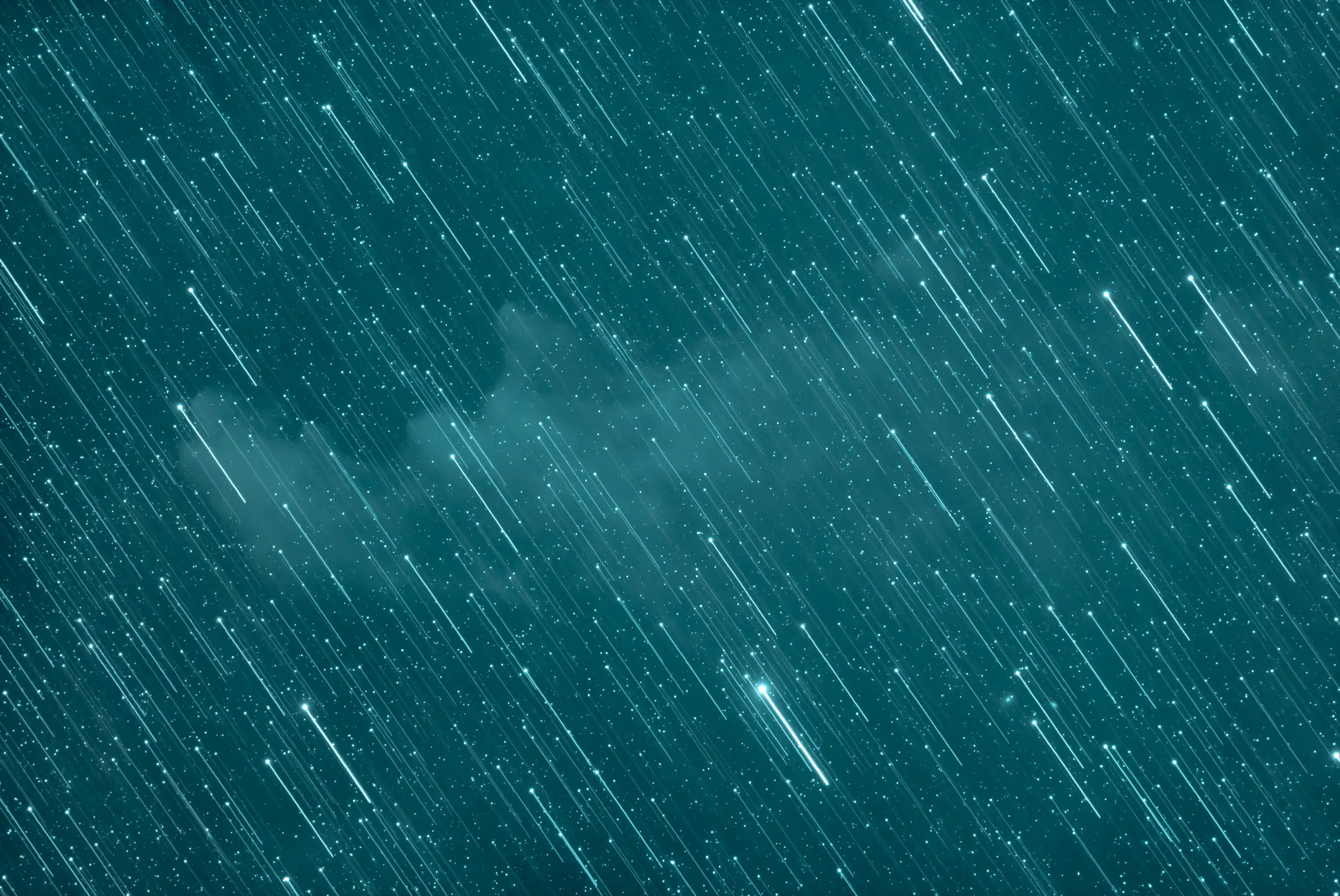
SEN's cameras have previously captured the solar eclipse last April and Hurricane Milton, which struck Florida in October. And on November 10 2025, it recorded a bolide meteor as it entered Earth's atmosphere.
As SEN explains, a bolide is 'a massive meteor that bursts in mid-air, creating a bright flash and sometimes sonic booms'.
A purple and white flash shoots across the dark, black sky before disappearing in a blink-and-you 'll-miss-it moment.
A bolide occurs 'when the meteor travels at incredible speeds, compressing and heating the air in front of it, which causes the meteor to break apart,' SEN continued.
NASA adds that this process, also known as fragmentation, 'increases the amount of atmosphere intercepted and so enhances ablation' - rapid erosion, basically - and atmospheric braking.
"The object catastrophically disrupts when the force from the unequal pressures on the front and back sides exceeds its tensile strength," the US space agency says.
Taking to Reddit's R/SpacePorn community, space enthusiasts were in awe of the meteor - especially its color.
One person commented: "The few that I’ve been fortunate enough to witness firsthand have all been green. This purple is striking. Must have been something to see."
A second said: "I remember seeing it, thinking it was a plane or chopper. Then it got a little brighter, and then... gone."
A third exclaimed: "I saw that!!"
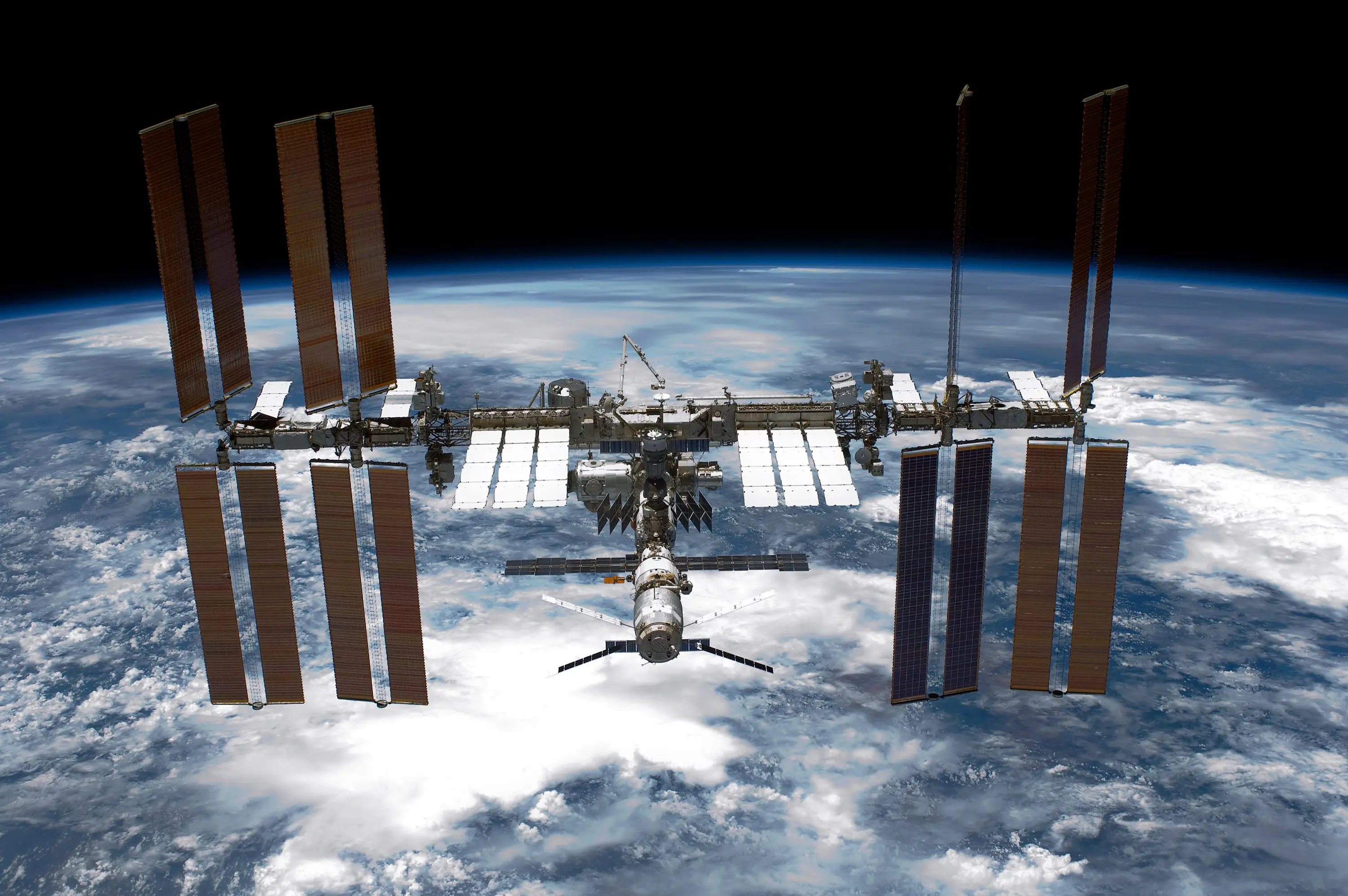
Sen captured the world’s first live Ultra High Definition views of Earth through three camera views: one with a wide-angle panoramic lens, which provides views of Earth's horizon, another that looks straight down at Earth, and a third aimed at the forward-facing docking port of the space station’s Harmony Module.
The cameras can stream footage from space to Earth live for more than 20 hours per day, with just a few hours of expected downtime due to routine loss-of-signal communications on the inter-satellite link relaying the video data to the ground.
Sen is streaming its footage on YouTube, where it can be found on the Sen channel, as well as on the Sen website.
The stream is free for all users, but the company also offers subscription options for no ads, downloads and usage.
Topics: Space, Social Media, NASA, US News
 Ellie Kemp