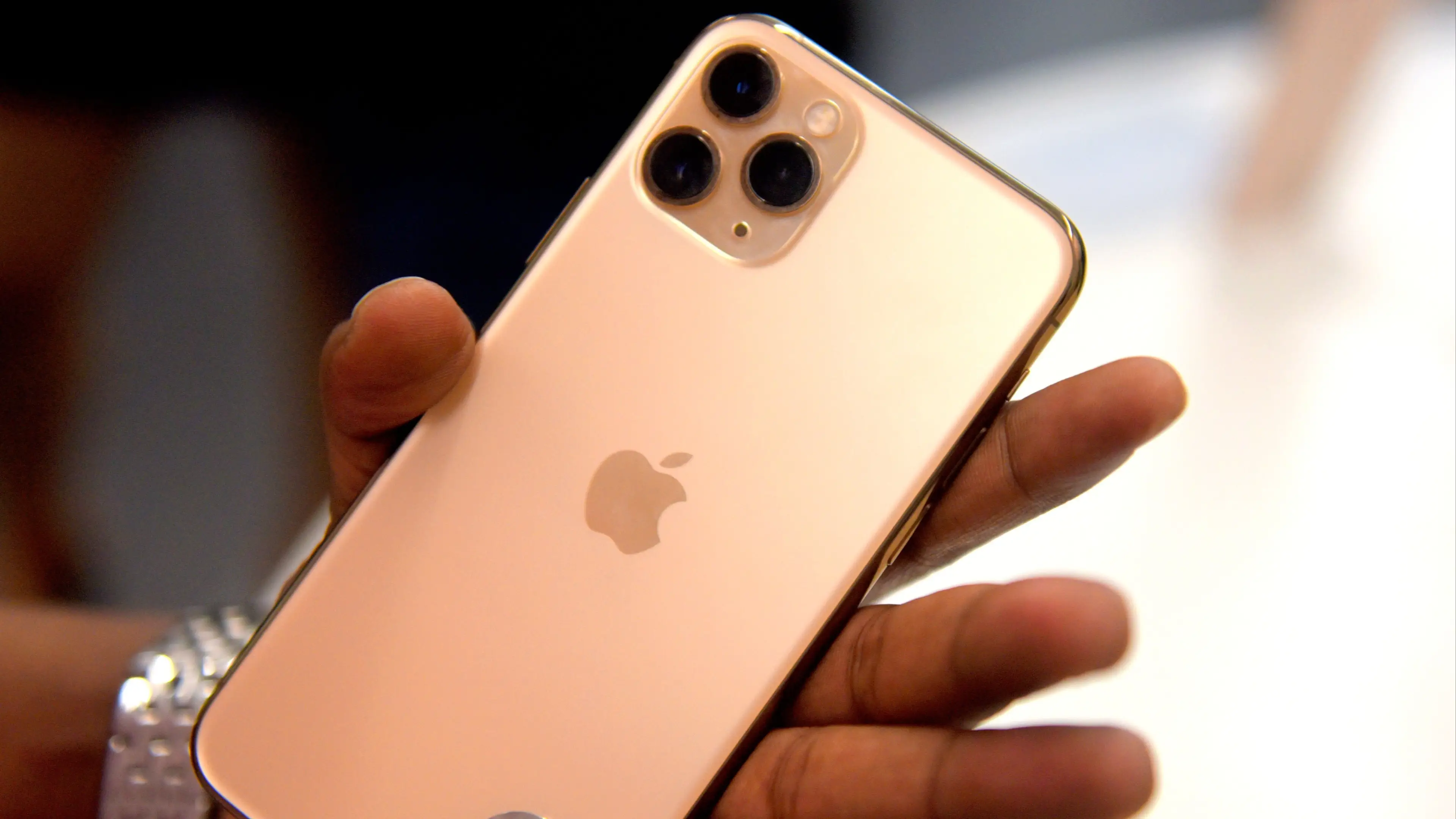
Apple issues urgent warning as emergency security update leaves users at risk – here's how to protect yourself

Apple has issued an emergency software patch for millions of iPhone and iPad users after confirming a security vulnerability may have already been exploited.
The tech company is urging customers to download the update immediately to protect their personal devices from highly sophisticated cyberattacks.
The severe defect impacts older operating systems, specifically devices running versions of the software released prior to the new iOS 27.
Officially tracked as 'CVE-2026-86950', the flaw affects the CoreGraphics system - which handles 2D images and graphics across Apple platforms.
Advert
If a device processes a corrupt file, the vulnerability could allow attackers to execute harmful code and take control of the affected system.
Apple has released a statement detailing the software problem alongside the iOS 26.7.1 and iPadOS 26.7.1 updates.
"Processing a maliciously crafted file may lead to arbitrary code execution," it confirmed.
"Apple is aware of a report that this issue may have been exploited in an extremely sophisticated attack against specific targeted individuals on versions of iOS before iOS 27."
However, the manufacturer explained the problem was fixed for users downloading the latest patch.

Apple added: "An out-of-bounds write issue was addressed with improved bounds checking."
The issue was raised by Meta Product Security, which discovered and reported the vulnerability.
The emergency security patch is now available for the iPhone 11 and later models, and is also available for several tablets, including the iPad Pro 12.9-inch 3rd generation and later, and the iPad Air 3rd generation and later.
Users with an iPad 8th generation and later, or an iPad mini 5th generation and later, should also download the fix immediately.
To protect your device, simply go to your Settings app, tap General, and then select Software Update - from there, you can safely download and install the new patch.
While users on older operating systems face this threat, those who have upgraded to the newly released iOS 27 are not affected by this specific exploit.
The latest software update brings a completely new Liquid Glass design and introduces Apple Intelligence to recent phone models.
It also includes a security feature called Impersonation Risk Detection, which is specifically designed to catch scammers in the act.
The tool focuses on social engineering scams, where criminals manipulate victims into handing over private information or disabling two-factor authentication.
When a supported app detects a high-risk action, such as changing an important password, it asks the system for a risk assessment. The software then shares a risk level - unknown, medium, or high - with the targeted app to help prevent theft.
If you are flagged as being at risk, the app could choose to put a delay on the payment, and it may also show a warning or ask you to verify your identity before allowing you to continue.
The analysis happens entirely on your phone, meaning your personal data is never sent to Apple servers.
So, hopefully, with iOS 27, there won't be any need for iPhone users to scramble to download a software update for the fear of being hacked!
 Joe Yates