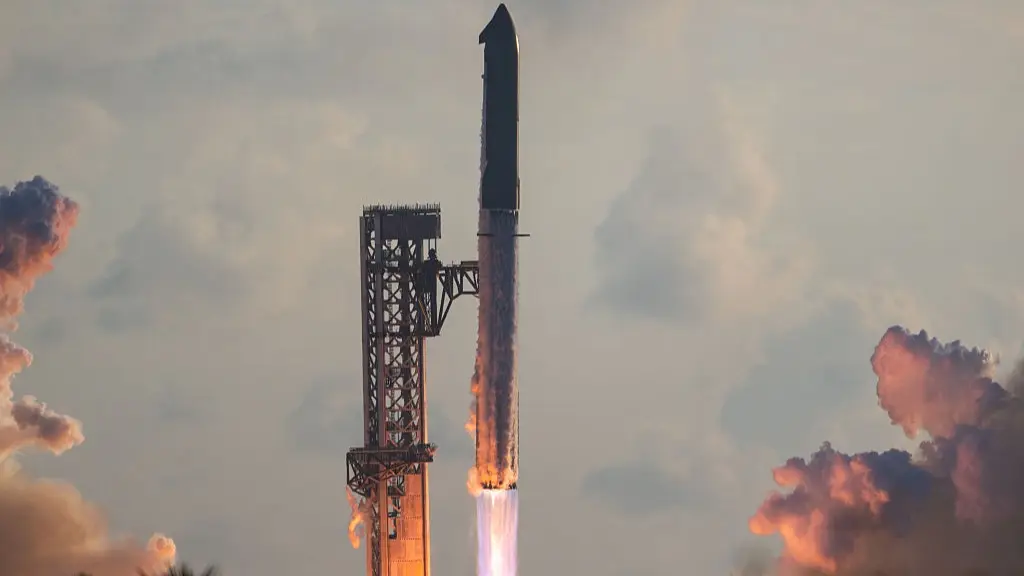
SpaceX Starship reaches orbit for first time — before exploding in dramatic fireball

Space X Starship rocketed into space for the first time – deploying 26 satellites into orbit – before dramatically exploding in the Pacific Ocean.
Elon Musk’s rocket was supposed to perform a flip before softly touching down in the ocean so it could be reused. Instead, the video feed posted on X of the splashdown showed what looked like a controlled descent, before the feed was cut.
According to the Independent and news agency reporting, the craft exploded into a fireball upon hitting the water. One day in the future it is hoped a similar rocket will be able to successfully execute the flip and gently land at the SpaceX base in Texas.
Once that is complete, SpaceX intends the craft to form a key role in future missions to the Moon and Mars.
Advert
Despite the explosive loss of Elon Musk’s Starship 14, the mission was largely considered a success, with over two dozen next-generation Starlink satellites deployed in orbit around 170 miles above the Earth.
"All 26 Starlink V3 operational satellites deployed and operating nominally," Musk wrote on X.
The mission did already encounter technical glitches, with one of the engines shutting down, reducing the planned flight from ten to just three hours.
Rather than cancelling the orbital flight, engineers pressed on with boosting the ship into orbit for the very first time.
The idea behind the rocket design was to carry future NASA missions, satellites and other payloads into space. So far, however the ship has only been able to achieve sub-orbital flight, despite a $15billion bill for the 13 test flights that had been conducted so far, according to the report.
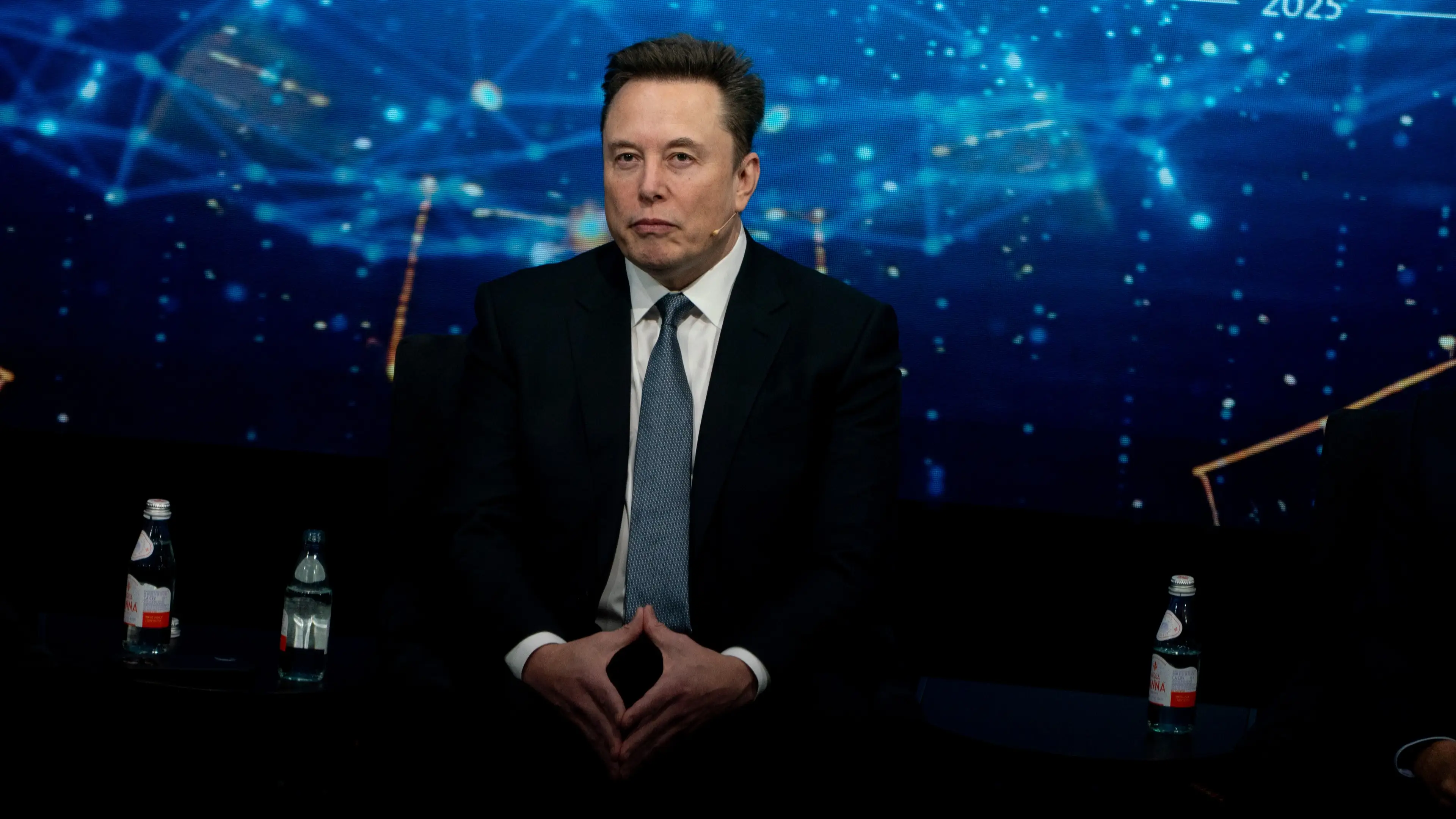
Musk has declared his intention for hundreds of thousands of orbital flights to be completed each year.
"Starship is 2 to 3 years away from hourly flights," Musk wrote on X on Sunday.
Starship was due to orbit our planet six times, however because of the the system failure one orbit was achieved before the rocket had to be flown using one Raptor engine fired at the correct re-entry angle.
With the successful satellite deployment, it is estimated hundreds of millions of dollars of revenue has potentially been created for the Starlink network.
The new V3 Starlink satellites are each capable of managing 10 times more data than the older V2 mini-satellites launched from the Falcon 9 rockets.
Musk intends the V3s to be deployed 60 at-a-time once Starship flights from Earth become routine.
Space X was valued at over $3trillion dollars on Friday.
 Michael D. Carroll