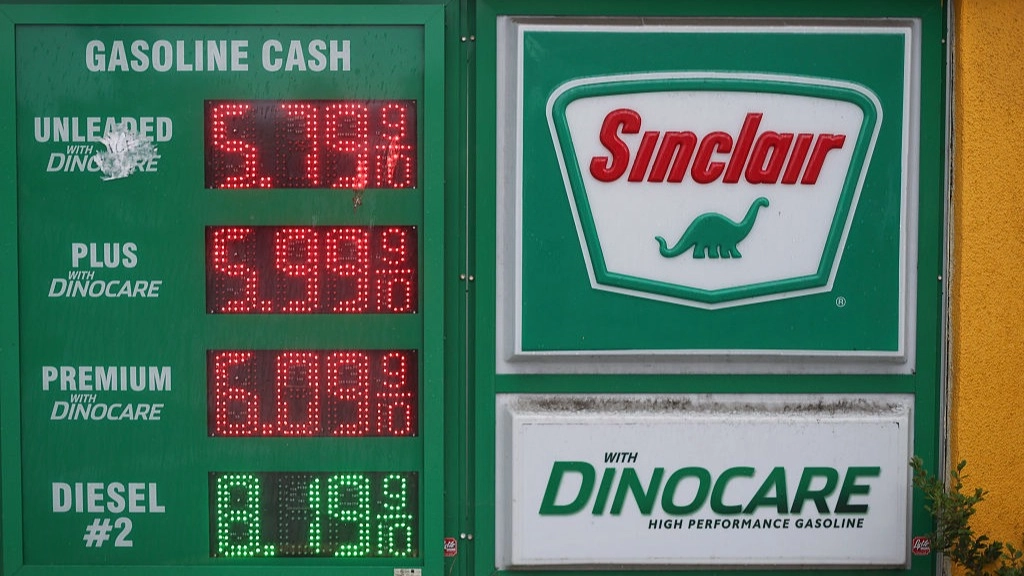
US drivers could face high gas prices even after Iran peace deal, expert explain

American drivers may have to wait months for cheaper gas, even if a peace deal brings the conflict involving Iran to an end, energy experts have warned.
Oil prices could initially fall sharply following an agreement, but disrupted shipping routes, damaged refineries and limited fuel supplies could prevent motorists from seeing the savings at the pump.
Yagiz Sullu, founder and lead analyst at Sullu Strategic Advisory LLC, explained that markets could react almost immediately to an end to hostilities.
"Oil prices could drop $15-20 within 2 to 3 days," he said.
Advert
However, he warned that restoring confidence in the region would take considerably longer.
"Shipping companies will need assurances that vessel transit will be safe, and marine insurers will have to assess war-risk premiums, which could take weeks."
There is also the question of getting Iran's oil production back online, with Sullu warning that repairing damaged oil fields and terminals could take months and billions of dollars.

Why won't gas prices immediately fall after an Iran peace deal?
Tom Kloza, chief energy advisor at Gulf Oil, pointed to the enormous cost of transporting oil as another reason prices could remain elevated.
He revealed freight charges from the Persian Gulf and Red Sea to Asia and other destinations had reached $25-$40 per barrel, compared with approximately $2.50-$3 before the war.
Kloza said the crude oil market was "somewhat balanced" but added that record freight charges were keeping prices high.
Harold "Skip" York, founder of DSC Advising, also cautioned against expecting an immediate return to cheaper fuel.
He said oil could fall into the $80s relatively quickly following a resolution, but reaching the $70s would require shipping rates to come down.
York explained: "It will take time to restore confidence among shippers that Hormuz is safe to travel."
How could refinery damage affect US fuel prices?
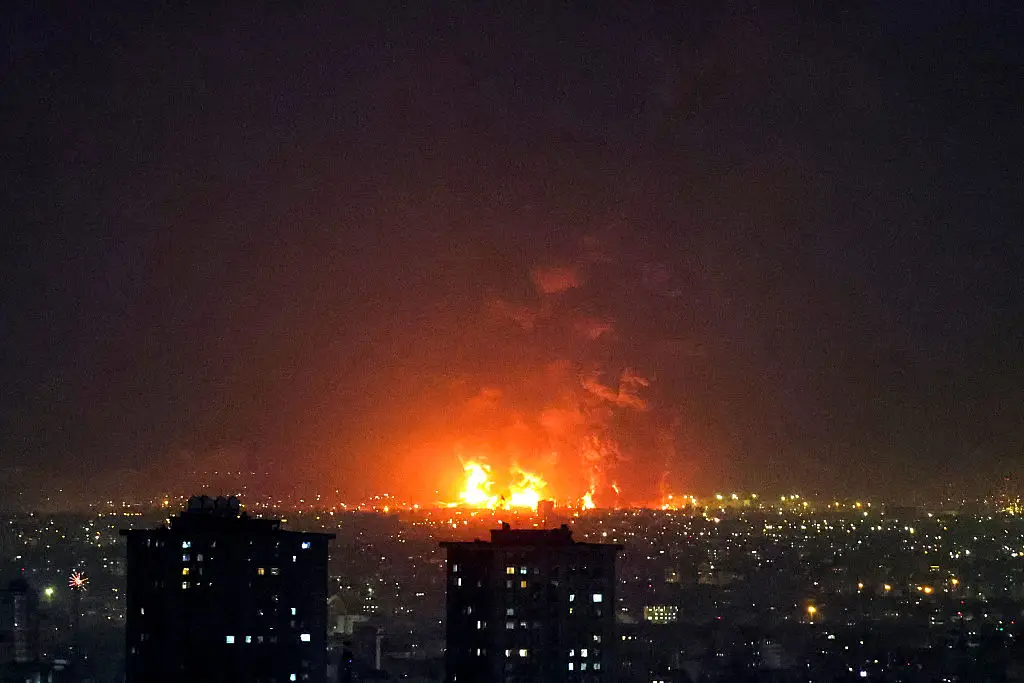
The bigger problem could be what happens when crude oil reaches refineries.
Kloza warned that violence in Russia, the Persian Gulf and Red Sea had knocked out around six to seven million barrels per day of global refining capacity.
He said diesel could remain in short supply worldwide well into 2027, adding that it accounts for around 29 percent of global petroleum product sales.
That could also affect grocery prices, as diesel is essential for farming, trucking and transporting goods.
Sullu explained that businesses facing higher fuel costs could eventually pass them on to consumers.
York also warned that even when oil prices fall, the savings might take time to reach households.
As he put it, prices "go up like a rocket, but down like a feather".
Kloza also warned that the situation could worsen next spring, when refineries are expected to undergo maintenance that has been postponed until 2027. He said the period between March and May could bring "some of the most extensive refinery downtime in our lifetimes", potentially pushing gasoline, diesel and jet fuel prices higher again.
 Thomas Bamford