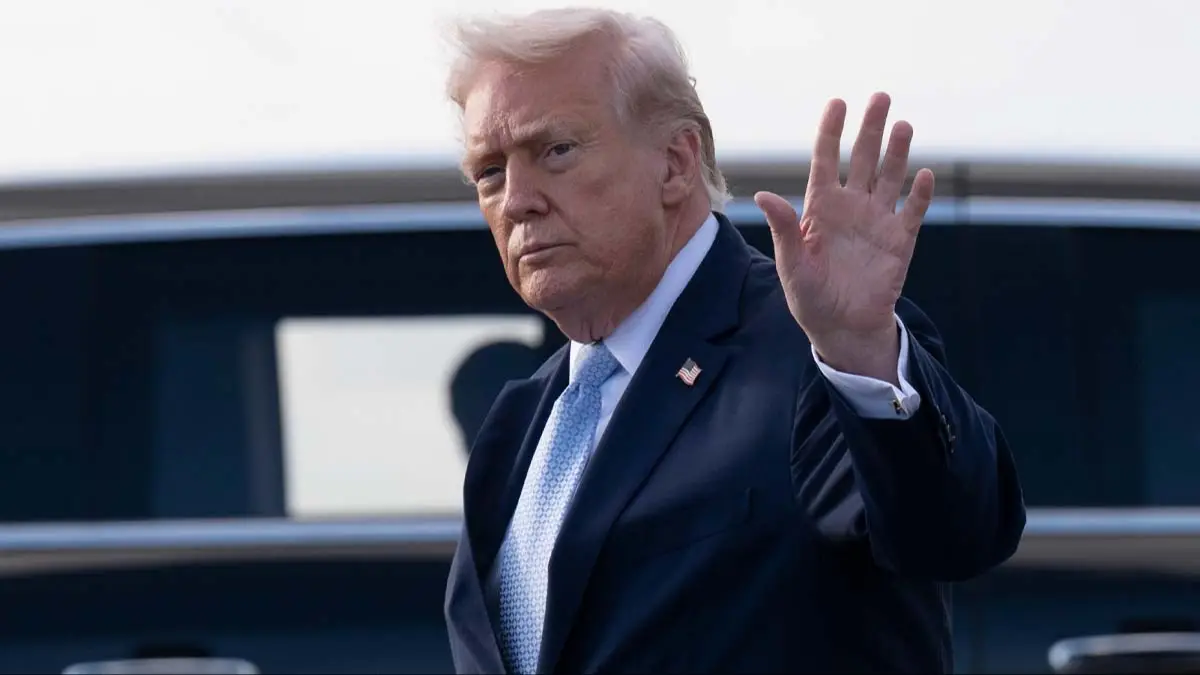
Why Trump's Iran promise won't lower gas prices anytime soon

Oil and other domestic energy costs are set to remain high for some time, despite the president's claim on Monday that there had been 'productive conversations' with Iran regarding a 'complete and total resolution of our hostilities'.
The price of a barrel of Brent Crude, the benchmark that oil is traded at on global markets, has remained stubbornly above $100 per barrel, despite seeing an initial fall after Donald Trump revealed that negotiations were underway - something the Iranian regime denied emphatically.
But even if the White House are able to negotiate and off ramp to the conflict, which has escalated beyond the administration's initial expectation following the closure of the crucial Strait of Hormuz, it is unlikely that prices at gas stations or on utility bills will return to pre-war levels when Brent Crude was at $70.
Currently, the AAA's gas price tracker states that average forecourt prices now sit at around $4 across the US, with drivers in California facing as much as $5.80 per gallon to fuel up their vehicles. And this could be the case for some time for a few important reasons.
Advert
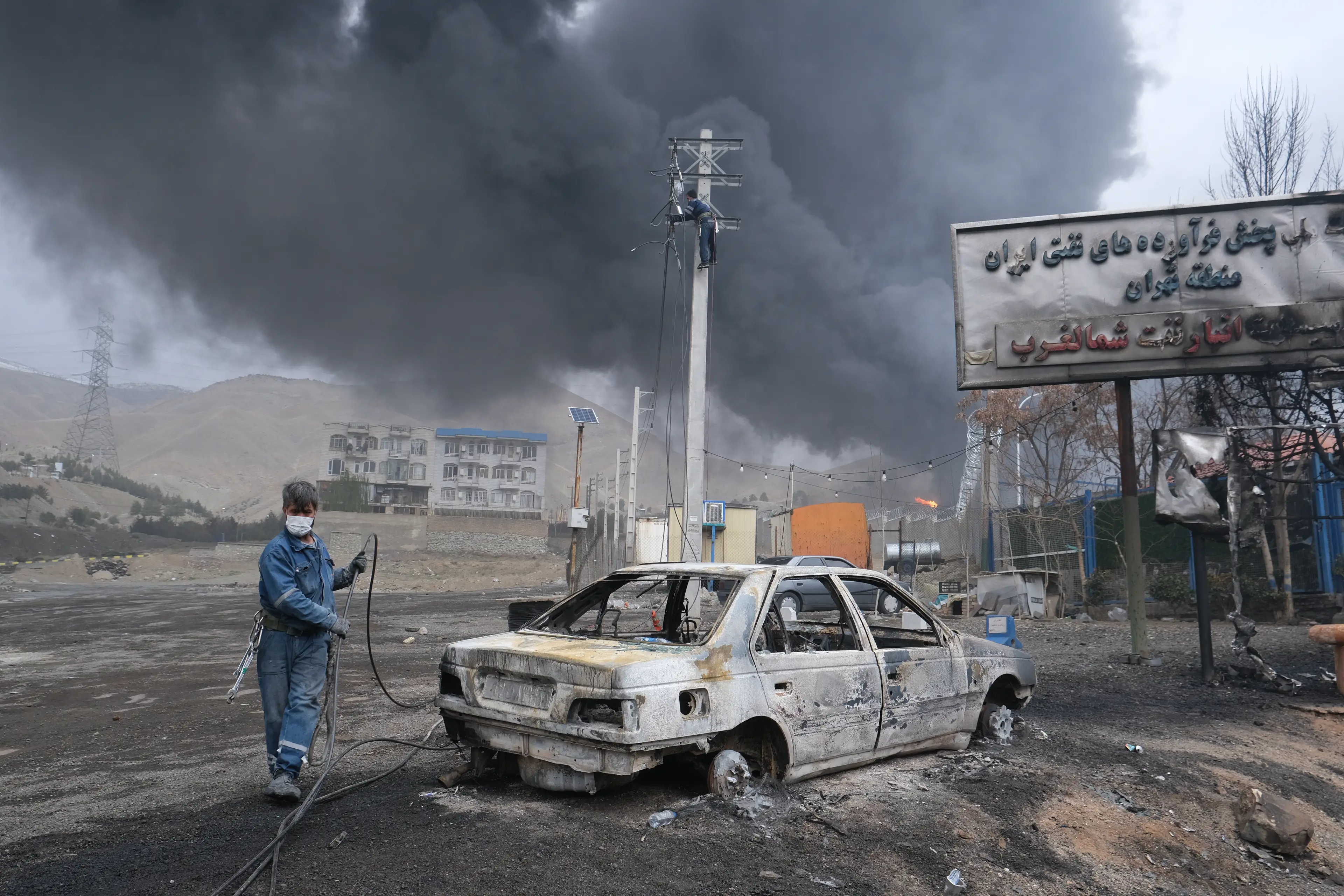
One of the most immediate concerns for oil and gas production across the region has been the threat of cheap Iranian Shahed drones, which cost mere thousands to make but can cause millions of dollars in damage to critical energy infrastructure from Saudi Arabia to Oman.
This has already seen major damage to key facilities in the Saudi kingdom, with two of its largest refineries being struck by Iranian drone and closed, temporarily in the case of Red Sea port Yanbu's SAMREF, while one of the largest refineries in the world, Ras Tanura, was shut for several weeks.
The closure of these critical production and refinement sites alone caused large spikes in oil markets around the world, but should the war continue to close the Strait of Hormuz, they might have to cut production regardless of any Iranian drone attacks.
That is because, despite attempts to reroute millions of barrels of oil across Saudi Arabia's desert to its port in Yanbu, the sheer quantity and varieties of natural gas and oil produced by states across the Gulf need more than just a pipeline.
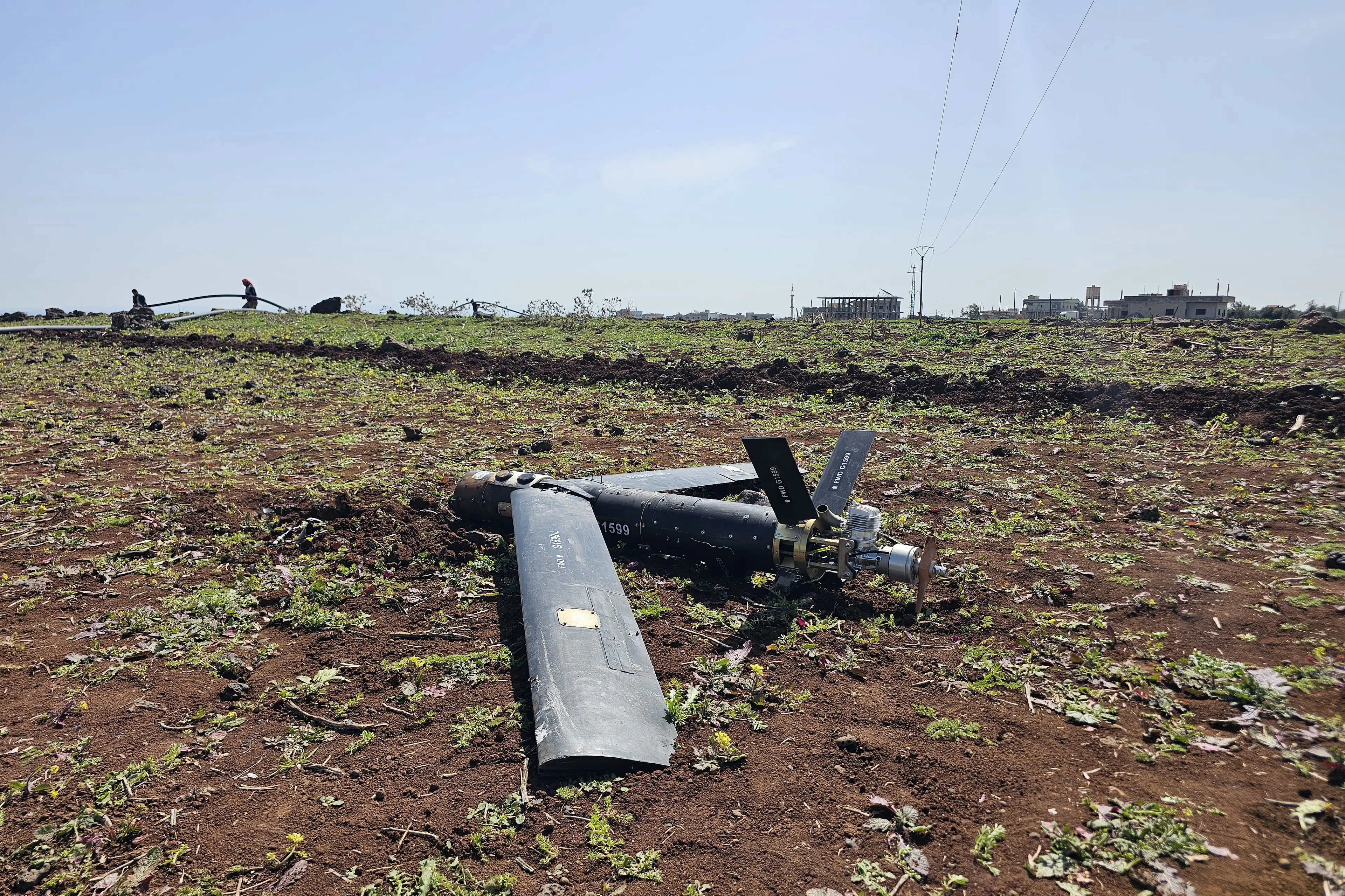
Before traffic through the strait fell by 95 percent at the outset of war, roughly 138 commercial shipping vessels would transit through the critical chokepoint between Iran and Oman each day - carrying an estimated 20 million barrels of crude oil and more refined products.
Iran has provided ample evidence to the world that it is capable of closing the strait at will, even while US and Israeli missiles rain down on military sites across the country and even bordering Hormuz.
Which is why even the president has admitted that the key shipping lane can only be reopened if 'me and the Ayatollah' reach a joint agreement over control of the waterway. Yet analysts think even this step down for Trump may be a pipe dream.
Helima Croft, head of global commodity strategy at RBC Capital Markets, told CNN that it 'takes two to TACO,' in reference to the acronym among financial analysts that 'Trump Always Chickens Out' when the economic impact of his policies becomes apparent.
Which is why she argued that Trump's hopeful statement about talks with the Iranian regime cannot be 'the beginning of the end' of the oil price shock. Mostly because this would rely on Tehran backing down too.
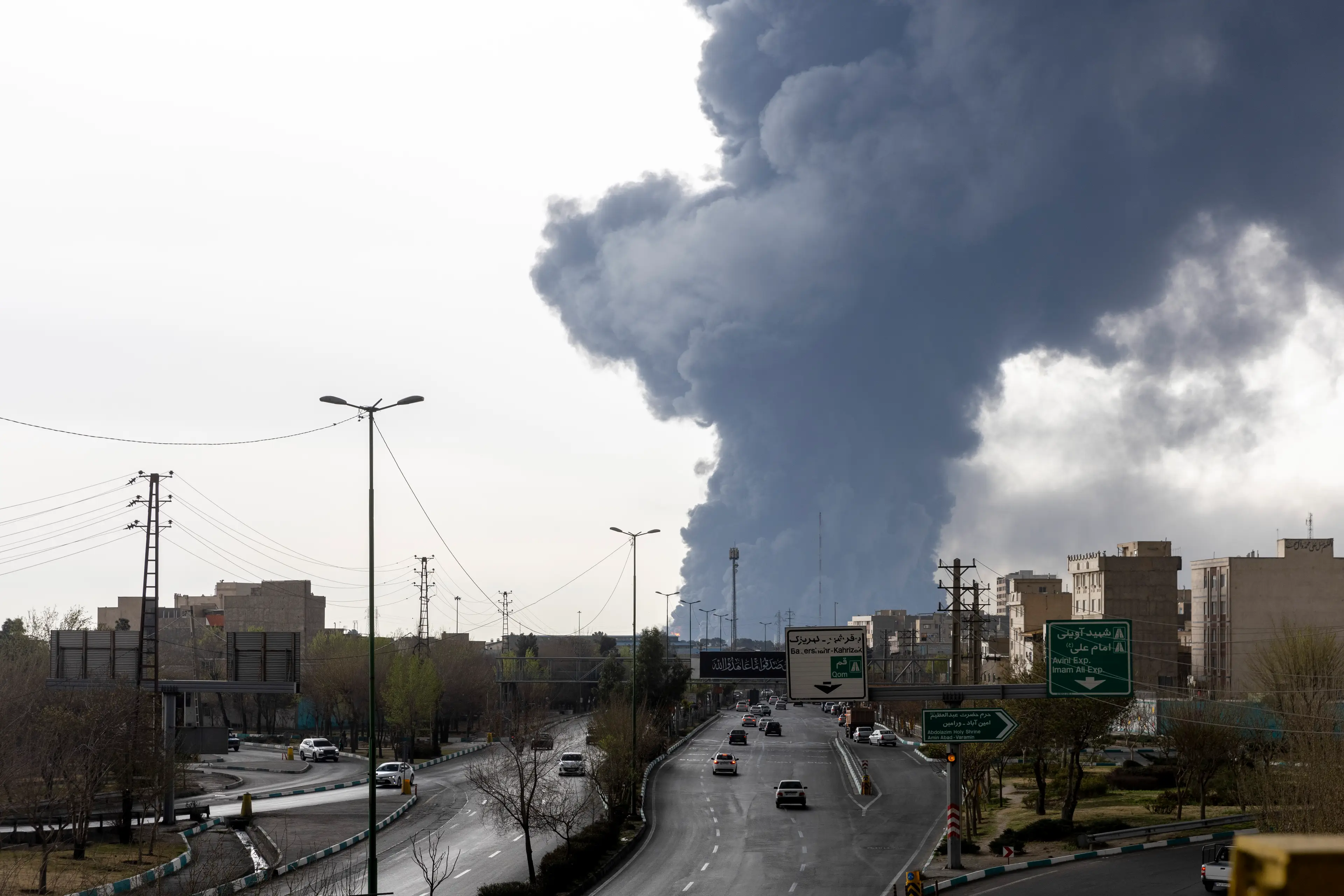
But even if Trump managed to reopen the strait tomorrow and restore function the Gulf states' damaged oil infrastructure the day after, the price paid at the pump by millions of American motorists would likely still remain high for some time to come.
This is because one of the main issues facing economies around the world isn't just this current oil price shock from Tehran closing the Strait of Hormuz, through which one fifth of the world's oil and gas is transported, but all of the other inflationary pressures that the world has faced in recent years.
The first of these saw the price of oil, briefly, turn negative as demand around the world slumped in the face of the Coronavirus pandemic. This dent in output caused major issues for producers, an issue that was flipped on its head within a few short years.
That was because of Russia's invasion of Ukraine, which sent oil prices around the world skyrocketing as supplies across the West were disrupted. In fact, this was the only previous time that gas prices in the US were more expensive than they are now, with unleaded breaking a $5 average.
According to Goldman Sachs' long-term analysis, this compounding effect could cause gas prices, as well as inflation, to remain high well into next year.
They said in analysis last week: “The persistence of several prior large supply shocks underscores the risk that oil prices may stay above $100 for longer in risk scenarios with lengthier disruptions and large persistent supply losses.”
Topics: Iran, Donald Trump
 William Morgan