Man's corpse so miraculously well preserved his guts reveal alarming last meal from 2,400 years ago

Experts once managed to deduce a mummified man’s last meal - which was thought to have been consumed up to 24 hours before his death 2,400 years ago.
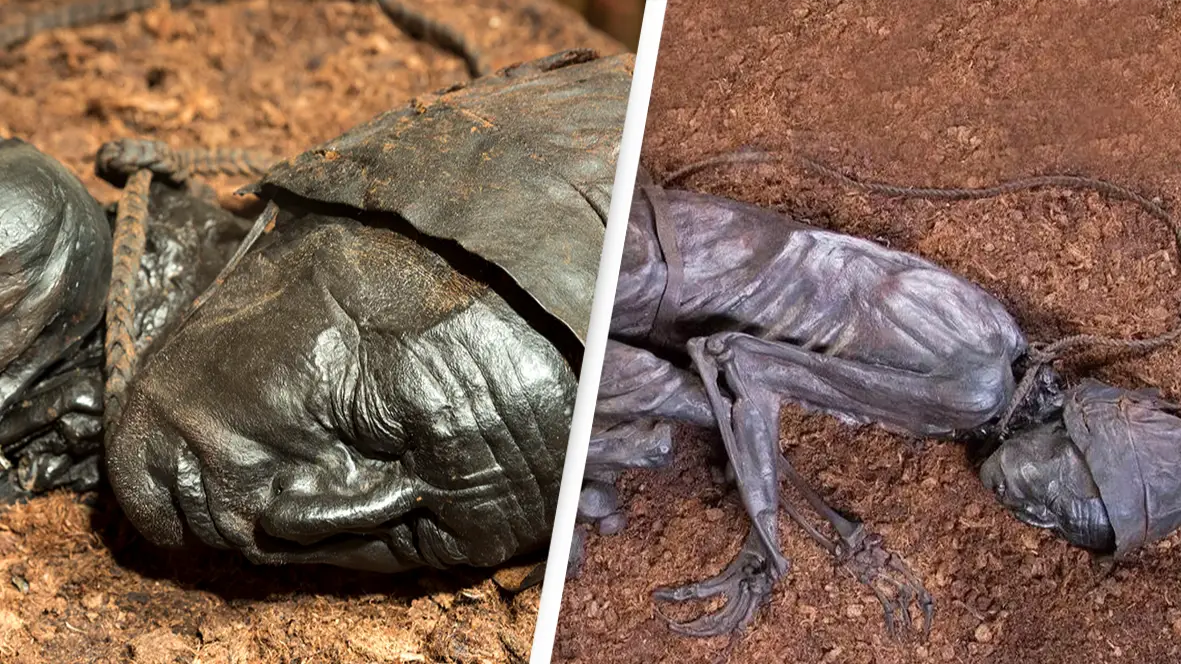
In 1950, peat cutters discovered a mysterious body preserved in a bog situated around 12km west of Silkeborg, Denmark.
At the time, the pair believed that the body - known affectionately as Tollund Man - was a recent murder victim due to how well-preserved his corpse was.
Radiocarbon dating, however, indicated that Tollund Man was an ancient artefact.
Advert
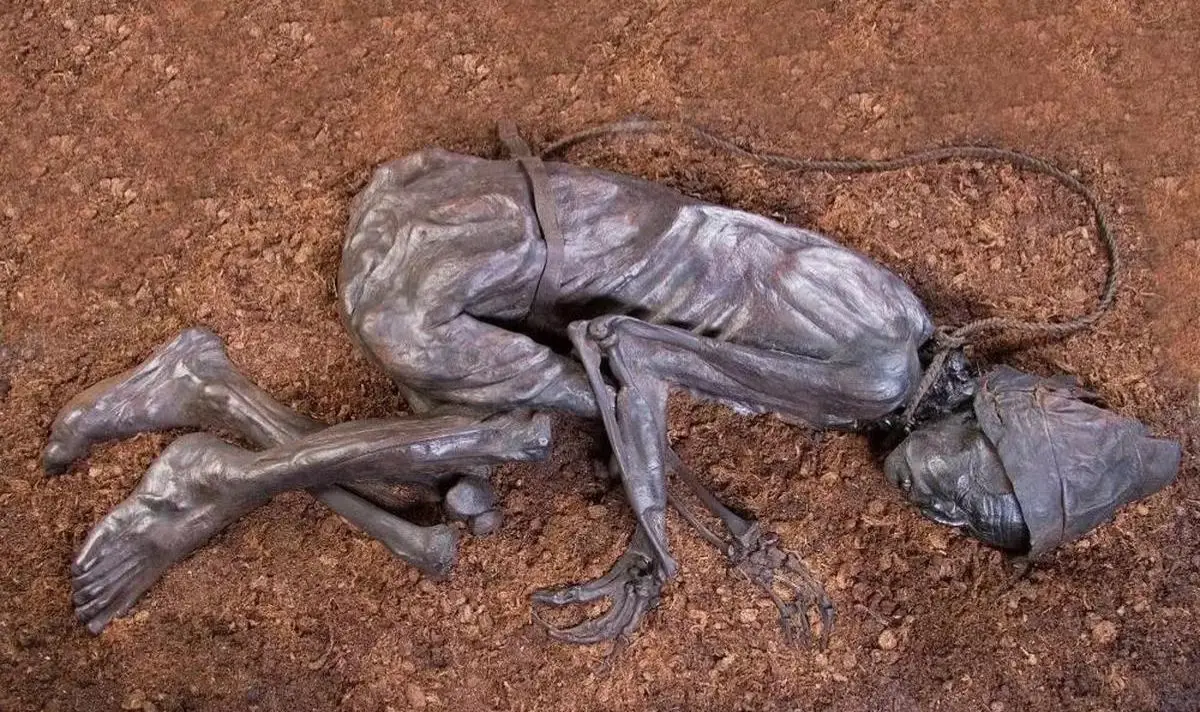
The naturally mummified corpse was that of a five-foot-three man who lived during the early part of the Iron Age around the fifth century BC.
Tollund Man was discovered with a noose around his neck and is hypothesised as being a victim of a sacrificial killing.
Scientists confirmed via autopsy that the man had died by hanging and that the acidity of the peat bog had worked to perfectly preserve his bones.
Tollund Man’s brain and stomach had also been well-protected and in 2021, a group of scientists re-examined the latter to find out exactly what food he’d consumed before his death.
The results of the study were published online by Cambridge University Press in July 2021.
Nina H. Nielsen, head of research at Denmark’s Silkeborg Museum, led the charge on the ‘most comprehensive gut analysis of a bog body ever conducted’, according to National Geographic.
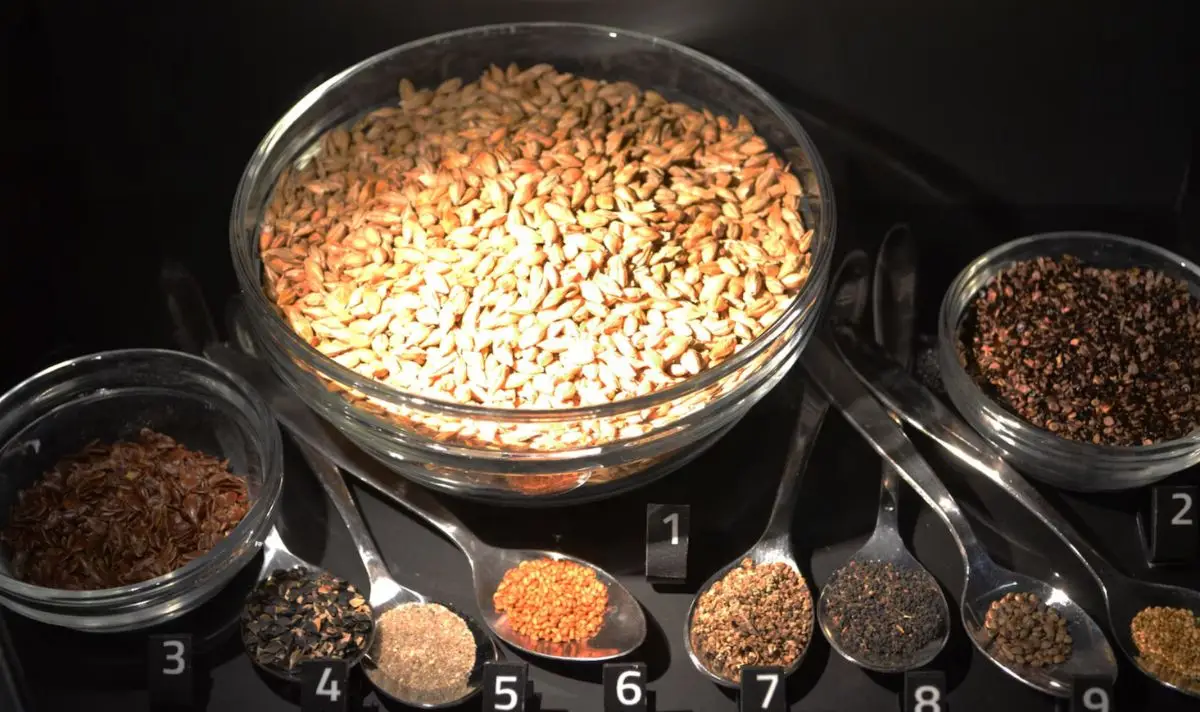
The paper, titled The Last Meal of Tollund Man, explained how the group had used a new analysis of plant macrofossils, pollen, non-pollen palynomorphs, steroid markers and proteins found in the corpse’s gut to figure out what he’d consumed 12-24 hours before he was killed.
“You get the idea of the average diet, but this study can actually tell you what he ate on the day he died,” said Nielsen. “That’s what makes it really interesting—you get really close to how it all happened.”
According to the study, Tollund Man ate porridge containing barley and flax as well as some fish before he died.
“Proteins and eggs from intestinal worms indicate that he was infected with parasites," the study adds.
Interestingly, experts discovered the presence of the pale persicaria seeds which were usually removed from the grain as threshing waste.
The inclusion of threshing waste could ‘relate to ritual practices’, claims the study.
So while the idea that Tollund Man was a sacrificial victim is still a theory, it’s still a definite possibility due to the food found in his stomach.
Following the study, Nielsen’s team claimed that the re-analysis illustrated that advancing technology can ‘throw fresh light on old questions’.
They added that this study would help ‘contribute to understanding life and death in the Danish Early Iron Age.’
Topics: History, Science, Food and Drink
 Ella Scott