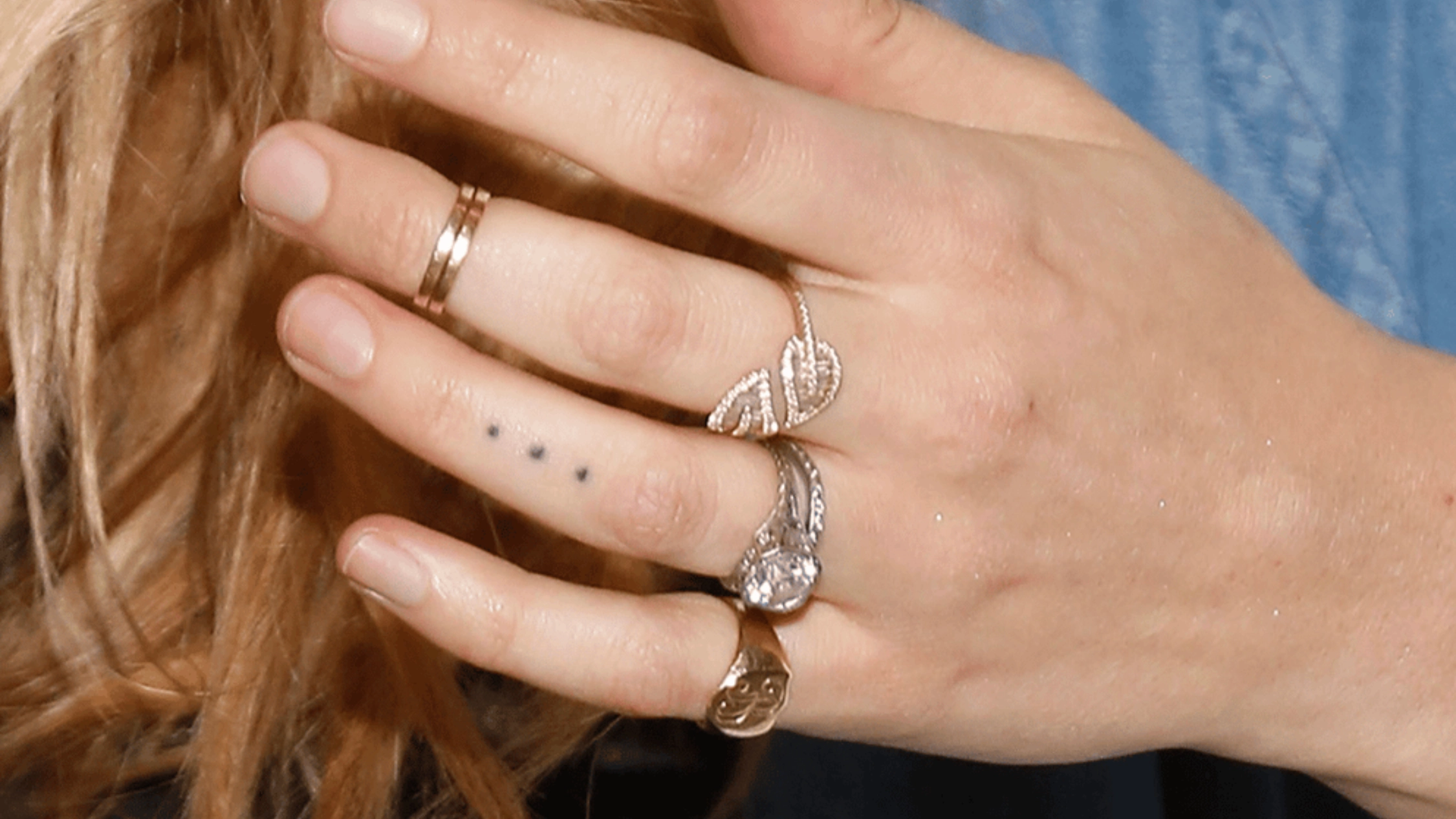
Tattoos with sinister meanings as people warned to 'run as far as you can' from anyone with three dots

A number of common tattoo designs carry hidden meanings rooted in prison and gang culture, with one in particular prompting people online to warn others to steer well clear.
The three dots tattoo, often placed between the thumb and index finger, has become closely associated in the United States with the phrase 'Mi Vida Loca', meaning 'my crazy life', according to Ink Ppl.
While the design isn't tied to any single gang, it broadly signifies an affiliation with that lifestyle.
In Russia, the same three dots can carry an even heavier meaning, often used to indicate criminal status or trust between inmates.
Advert
That association was enough to prompt one X user to write, "If you see someone with a three-point tattoo, run as far as you can," while another admitted, "Imagine explaining this to your grandma."

What do teardrop tattoos really mean?
The three dots aren't the only design with a reputation. According to C1, one of the most widely recognized prison tattoos is the teardrop, whose meaning shifts depending on where it's seen. In some places, it can indicate that the wearer has served a lengthy prison sentence, while elsewhere it's taken to mean the person has killed someone. If the teardrop appears only as an outline rather than filled in, it can instead represent an attempted murder, or signify that the wearer lost a friend to violence and is seeking revenge. The design has since been popularized by musicians and celebrities, but within prison walls it still carries serious weight, and newcomers spotted with the tattoo are said to attract trouble quickly.

Elsewhere, the five-point crown tattoo is closely tied to the Latin Kings, one of the largest Hispanic gangs in the US, based out of Chicago.
The crown is often accompanied by the letters ALKN, standing for Almighty Latin Kings Nation, with its five points representing the gang's affiliation with the wider People Nation alliance.
Additional details within the design, such as the colors used in the crown's jewels, can carry further hidden meanings understood only within the gang itself.
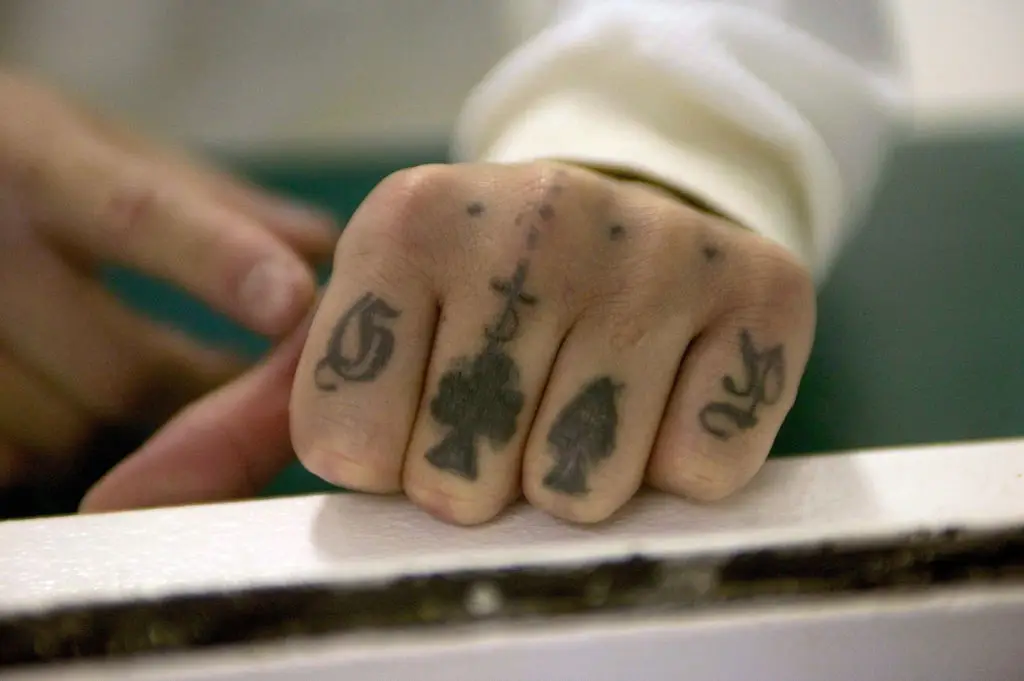
Are five dots the same as the three dots tattoo?
Despite the visual similarity, five dots carry an entirely different meaning to their three-dot counterpart. Known as the quincunx, the design typically features four dots arranged around a fifth, with the four outer dots representing prison walls and the central dot representing the prisoner themselves.
The tattoo is most commonly found on the hand, between the thumb and forefinger, and appears among both American and European inmates.
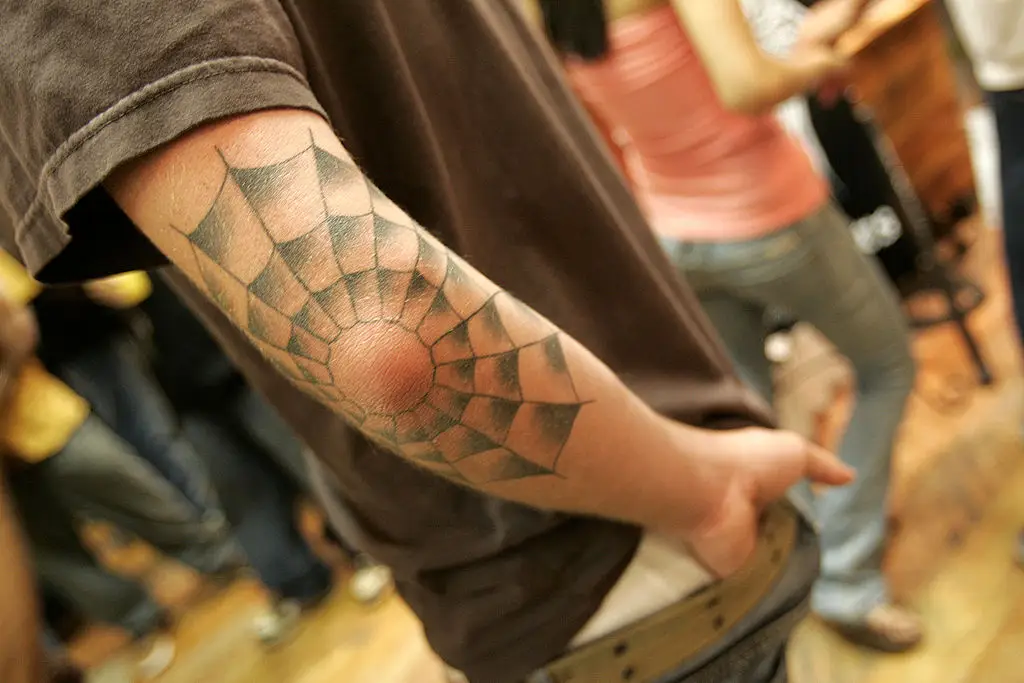
A cobweb design, meanwhile, is generally used to represent a lengthy prison sentence, drawing on the imagery of a spider trapping its prey, or a person effectively trapped behind bars. It's most often placed on the elbow, a nod to the idea of sitting still for so long that a web could form, though it can also appear on the neck. According to C1, a tattoo artist's access to materials behind bars can also be telling, as a multi-colored cobweb is unlikely to have originated in prison, where colored ink is rarely available.
While these designs can carry serious associations, experts note that context and placement matter, and not everyone sporting similar ink has any connection to gang or prison life at all.
Topics: Crime, World News
 Thomas Bamford