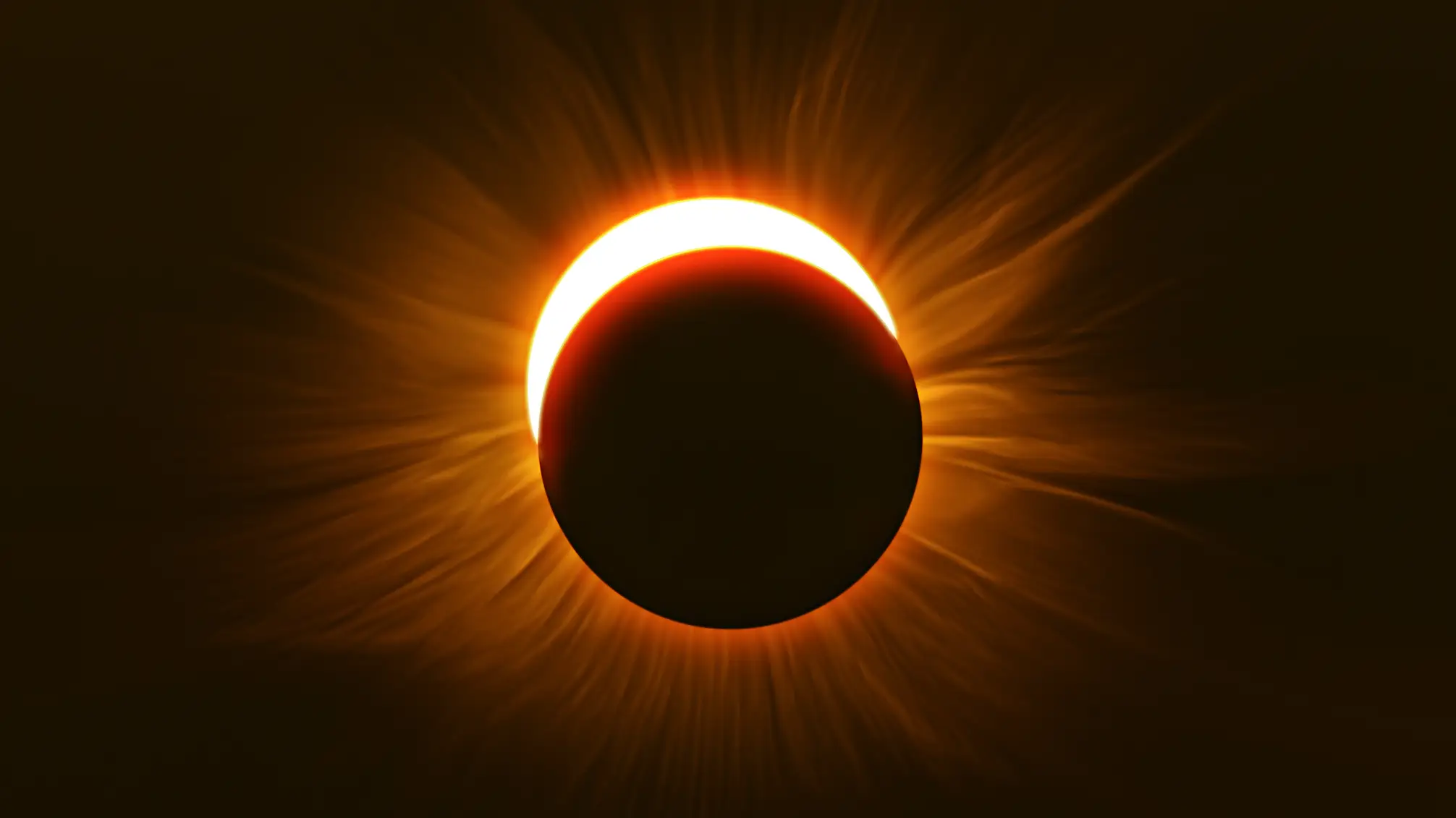
Solar Eclipse brings chilling prophecy from ancient mathematician who foretold 2008 financial crash

An equation by an ancient mathematician and astrologer gives the total solar eclipse a far deeper meaning, offering worrying predictions for the future.
If you'd thought you'd had enough history for one week after finally getting round to watching The Odyssey, think again.
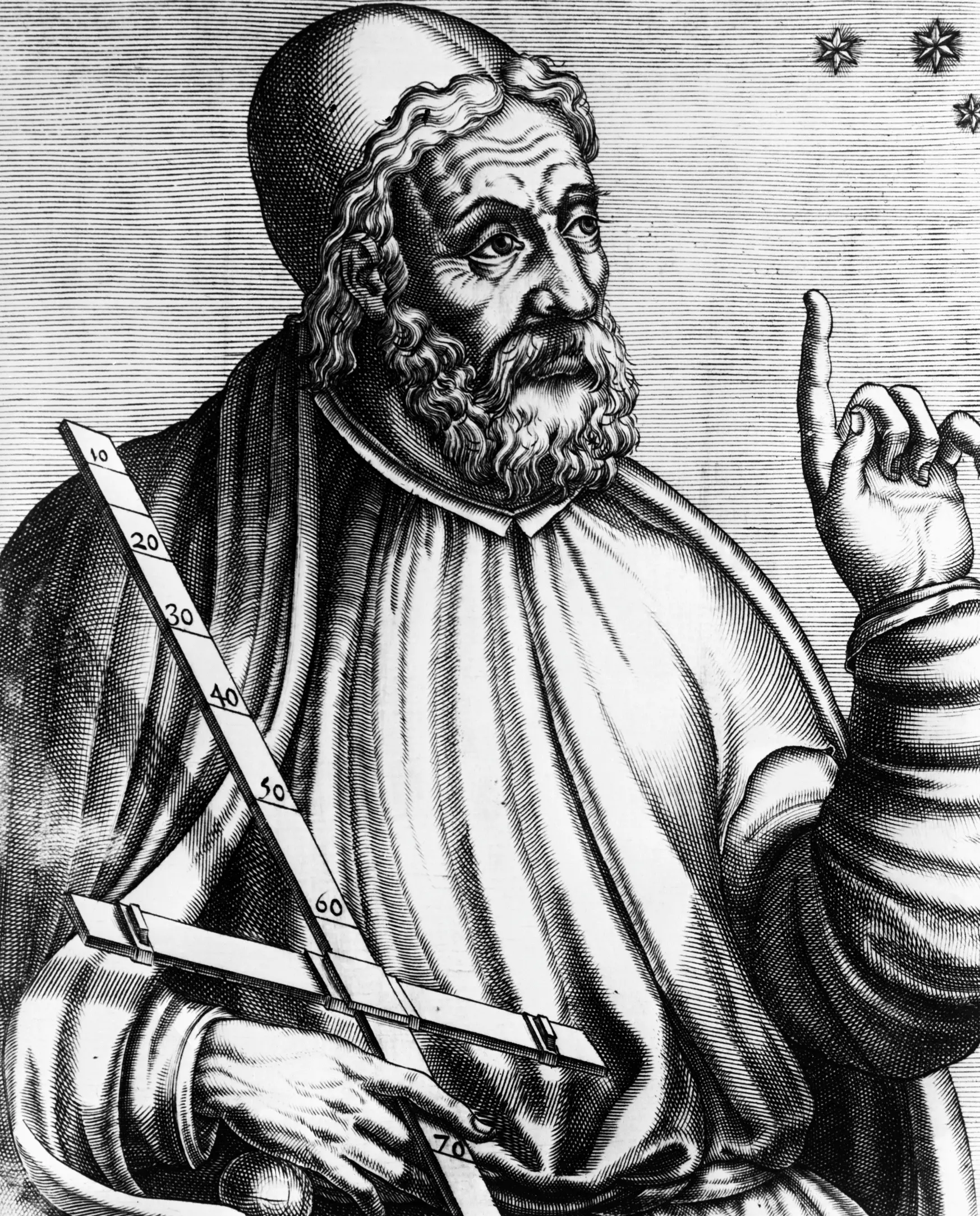
An astrology Instagram account - named Astrology Brother - is raising awareness of a Roman astrologer and mathematician from 150AD named Claudius Ptolemy.
Why? Well, you may find it interesting to know how Ptolemy 'gave the rule that turns a eclipse into a timeline'.
Advert
And ahead of the total solar eclipse which is set to take place later today (August 12), the equation formed by the 'legendary Hellenistic astrologer' - essentially, a practitioner of the earliest form of astrology - has been used to foretell the future.
Apparently it's not the first time the equation has been used either, 'the last time this exact eclipse' took place, it being used to predict The Bankruptcy of the Lehman Brothers on September 15, 2008 - which remains the largest corporate bankruptcy filing in the US.
How does Ptolemy's equation work?
In Tetrabiblos, Book II, Chapter 6, Ptolemy gives an astronomical rule for determining the duration of an eclipse's predicted effects.
Essentially, when it comes to a solar eclipse, 'one hour of' obscuration 'equals one year of consequence'.
For a lunar eclipse, one hour of obscuration equals one month of predicted effect.
For the solar eclipse set to take place later today, the page says 'from first contact to last,' it runs 'two hours over its path' which means two years of effects - from August 2026 to late 2028.
This is called the 'fuse,' however, 'a fuse has a detonation point,' it adds.
And this leads to Ptolemy's 'second rule' - 'where the eclipse stands in the sky names the moment of peak effect'.
Indeed, Ptolemy theen uses the eclipse's position relative to the eastern horizon, Midheaven, or western horizon to judge when the effect begins and when it comes most intense.
The Sun is expected to set while 'still eclipsed,' over Spain.
"A setting eclipse strikes in months eight through 12,' the page continues, noting to 'mark' April to August 2027.
But what is foretold to happen during this so-called 'detonation window'?
What Ptolemy's equation predicts will happen?
According to the page: "Mars fallen in Cancer, out of bounds, square Neptune: Covert conflict at sea e.g. cables, pipelines, Arctic routes.
"Mercury opposite Pluto: Secrets forced into light. Expect a government to fall in Iberia by summer 2027.
"Grey-zone strikes in the North Atlantic.
"And inside Russia, the ground this eclipse crosses every return, a shake-up at the very top."
If you get what any of that means, congratulations.
And if astrology and star signs isn't really for you and you simply want to live in the present, understand what the eclipse is without all the astrological info and not worry too much about the future?
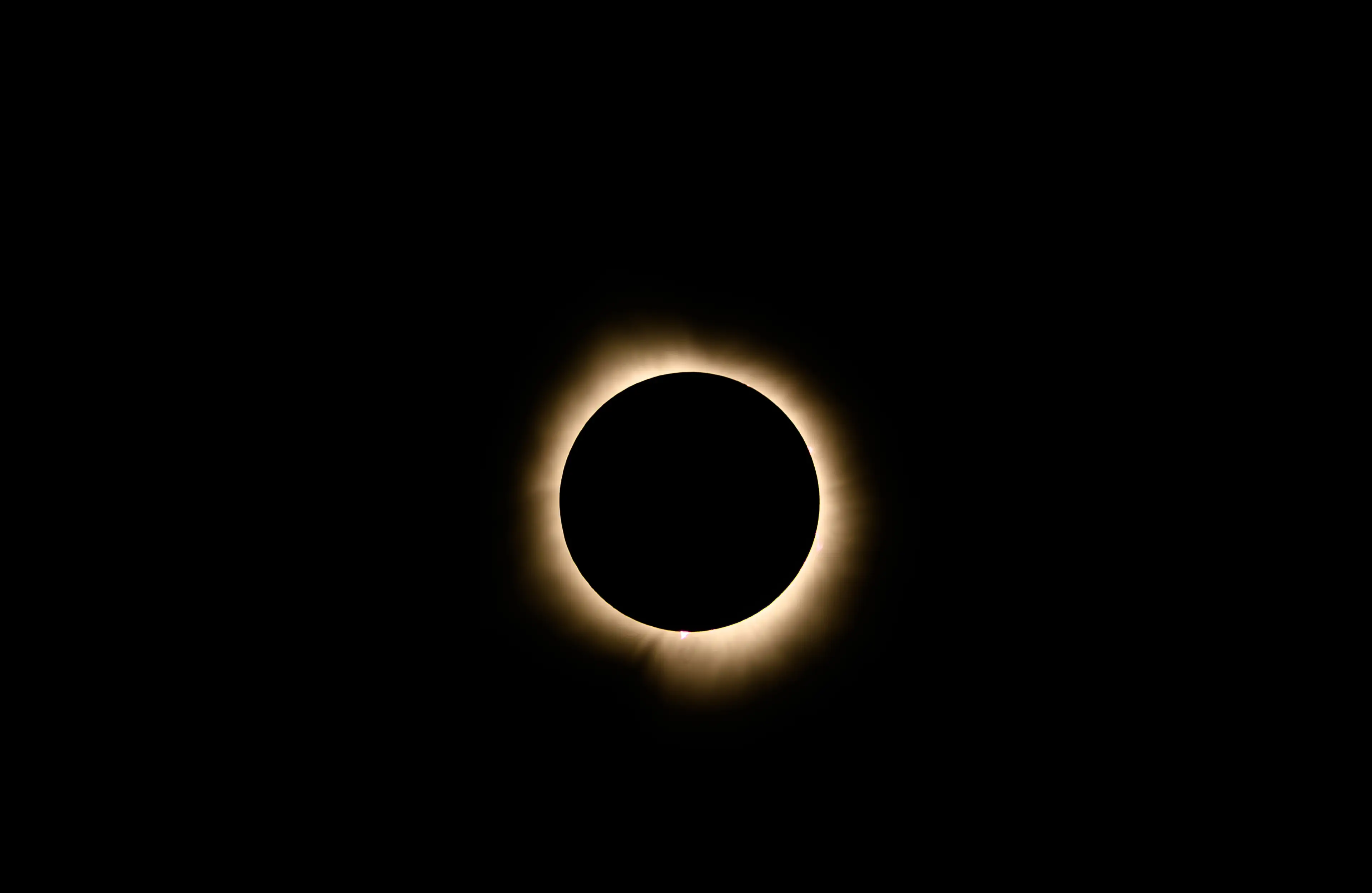
What is a solar eclipse?
A solar eclipse is when the Moon passes in front of the Sun, blocking out its light. There are several reasons why this doesn’t happen very often.
Firstly, the Moon and the Sun need to be on the same side of the Earth. In other words, the Moon needs to be in the daytime sky, i.e. a New Moon.
The Moon’s orbit also doesn’t line up with the Earth’s - it’s tilted by about five degrees. This means that usually the Moon passes over or under rather than in front of the Sun.
In fact, solar eclipses only occur twice a year, about every 173 days, in what are called eclipse seasons. Each eclipse season lasts about 35 days.
Many solar eclipses pass unnoticed.
This is because the Moon only casts a small shadow on the Earth, known as the path of totality.
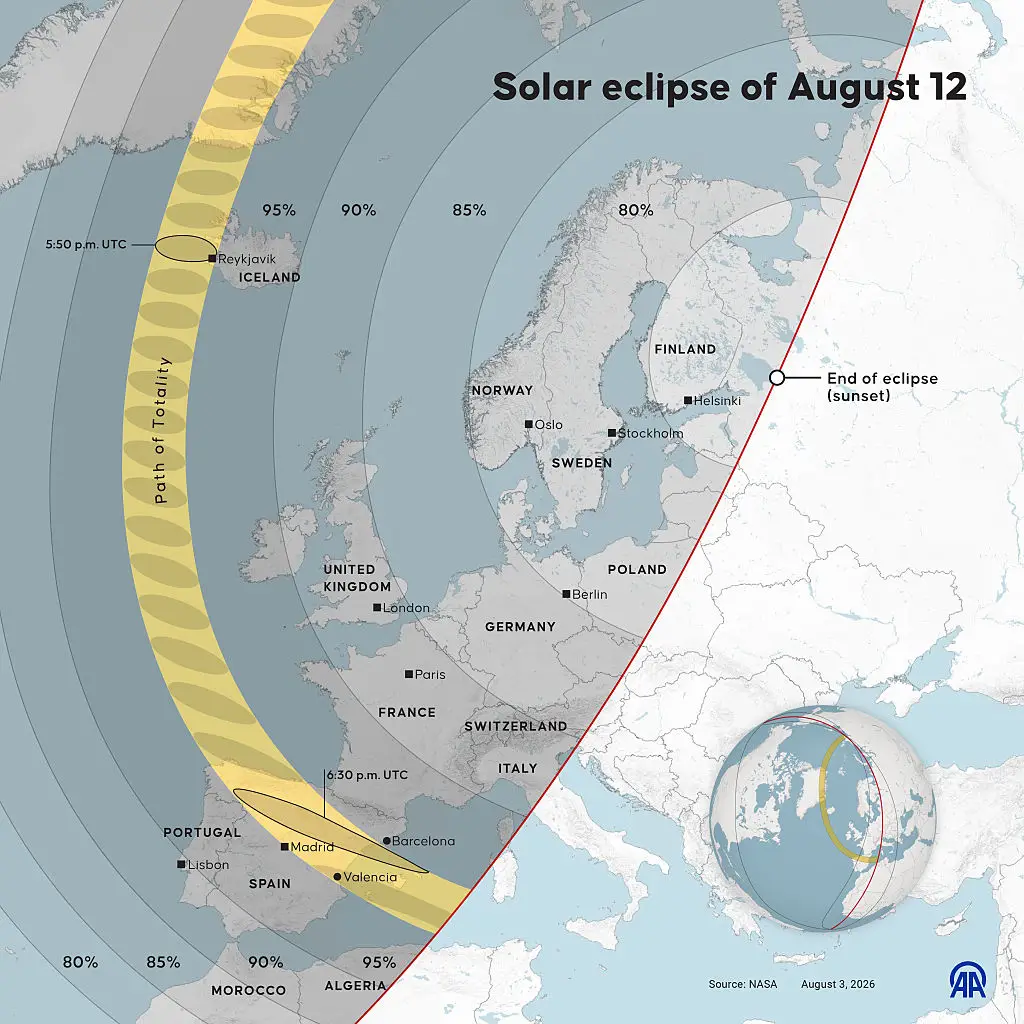
You need to be directly in the path of totality to see a full eclipse, and nearby to catch a partial eclipse.
But make sure to view it safely.
How to watch a solar eclipse safely
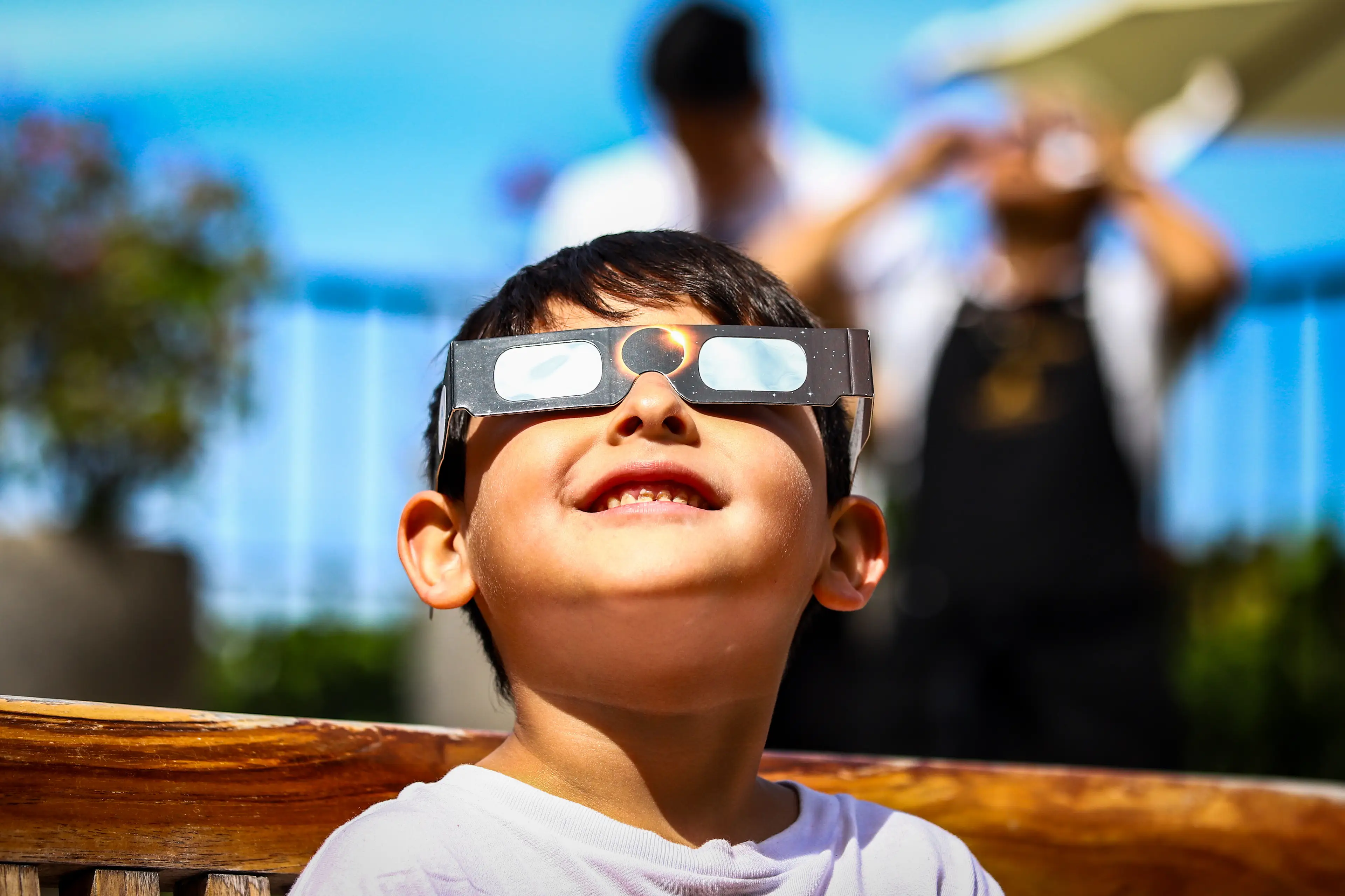
When watching a partial or annular solar eclipse directly with your eyes, you must look through safe solar viewing glasses, which are known as 'eclipse glasses', or a safe handheld solar viewer at all times.
Eclipse glasses are not regular sunglasses; regular sunglasses, no matter how dark, are not safe for viewing the Sun.
Always make sure to inspect your eclipse glasses or handheld viewer before use; if torn, scratched, or otherwise damaged, discard the device.
Never look at the Sun through a camera lens, telescope, binoculars, or any other optical device while wearing eclipse glasses or using a handheld solar viewer - the concentrated solar rays will burn through the filter and cause serious eye injury.
Of course, if you do not have eclipse glasses or a handheld solar viewer, you can use an indirect viewing method, which usually consists of a pinhole projector. This has a small opening and projects an image of the Sun onto a nearby surface.
With the Sun at your back, you can then safely view the projected image.
What happens if you look at a solar eclipse
As millions around the world catch a glimpse of the partial solar eclipse, it's certainly worth noting down how dangerous is can be to look directly at it.
You wouldn't look directly into the Sun, right? Well, the same applies to a solar eclipse.
Experts over at NASA have broken down exactly why you shouldn't look directly at one without specialized eye protection, and what exactly happens if you do.
Viewing any part of the Sun directly, or through a camera lens, binoculars, or a telescope without a special-purpose solar filter secured over the front of the optics will instantly cause severe eye injury.
Seema Eye Care Center explains how directly making contact with the Sun during an eclipse can damage the retina - the part of the eye that senses light and helps us see.
The damage, called 'solar retinopathy', can happen very quickly and is often painless, so a person might not even realize it’s happening.
Symptoms of solar retinopathy include:
- Blurry vision
- Blind spots
- Permanent vision loss
So make sure to pop on those special shades!
 Poppy Bilderbeck