Papua New Guinea's 'Skeleton Tribe' have a chilling reason for painting their bodies black and white

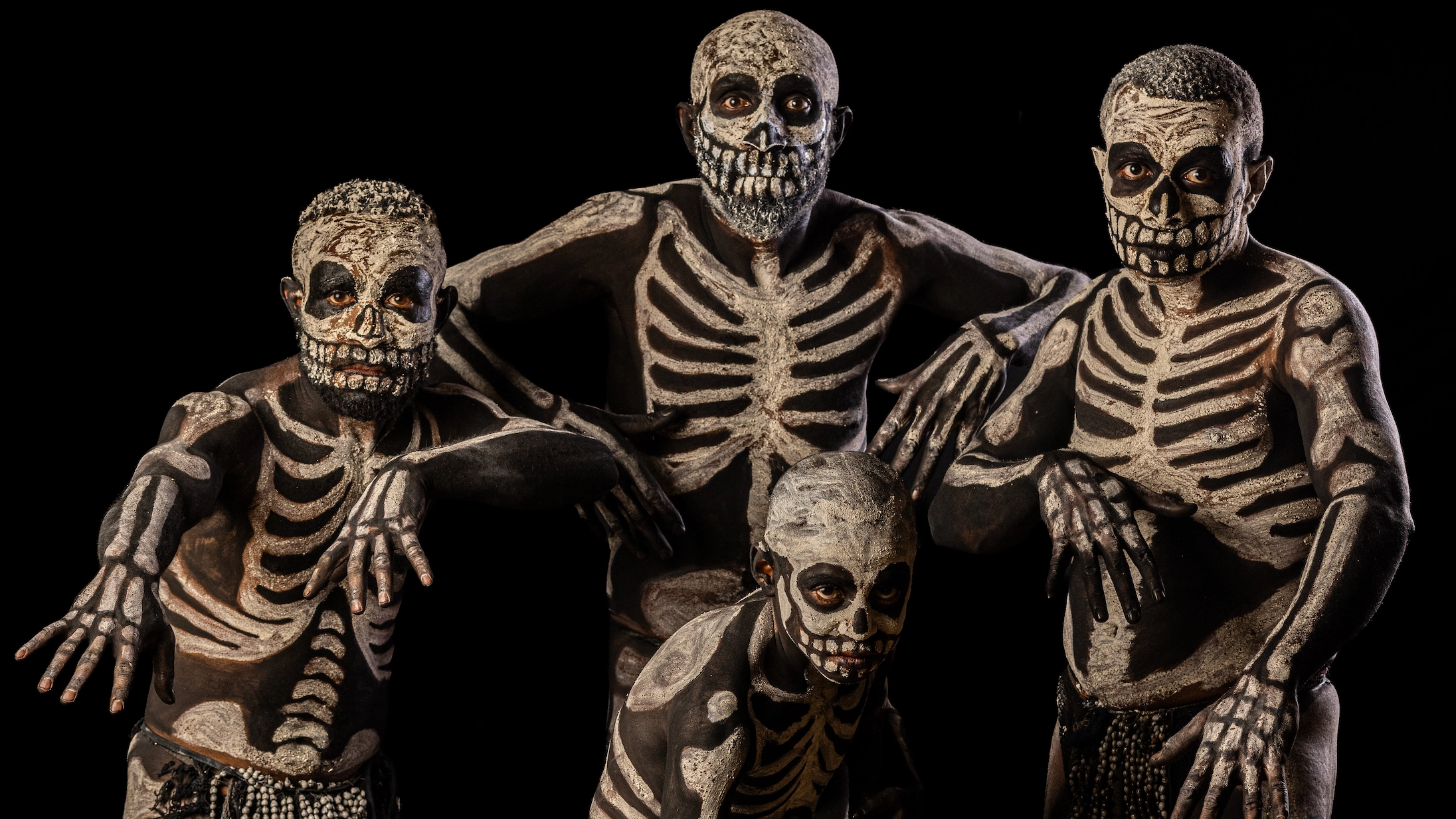
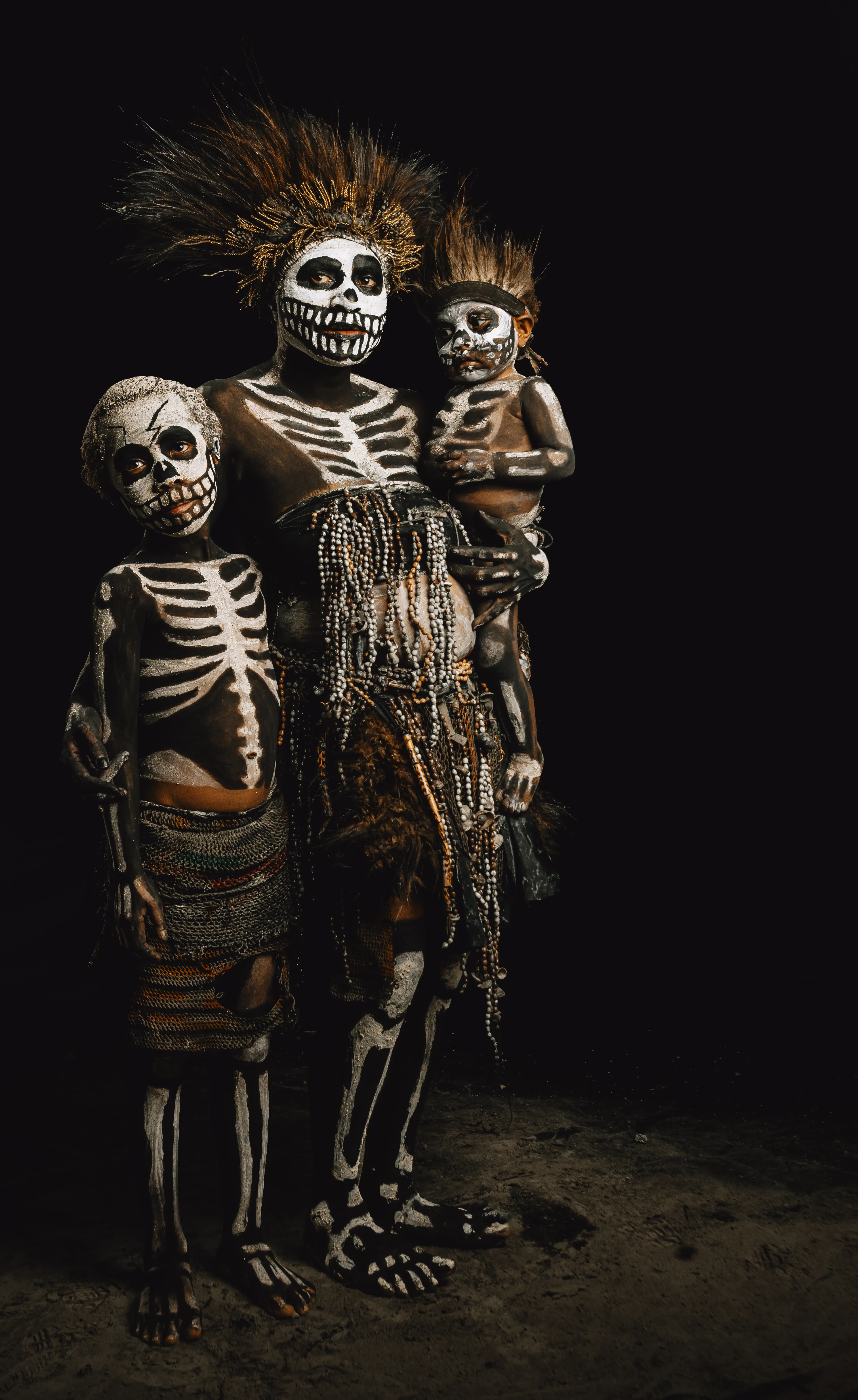
Members of the Skeleton Tribe in Papua New Guinea's Chimbu Province cover themselves in a dazzling black and white ash and the reasons they do it might surprise you.
The striking designs have won a huge following online, but their origin is not what some outsiders first believed.
"The Skeleton Tribe did not originally paint themselves to frighten enemy tribes or other people," said David Dennis, a photographer and founder of Tribes of Papua New Guinea who says he has spent around a decade working with the community.
Advert
Instead, they paint themselves to recreate a legend about a monster said to have lived in a mountain cave more than 200 years ago.
According to Dennis, the story passed down through the tribe begins with people from the valley vanishing while out hunting or gathering food in the forest.
A group of warriors headed into the mountains to investigate and found the monster's cave.
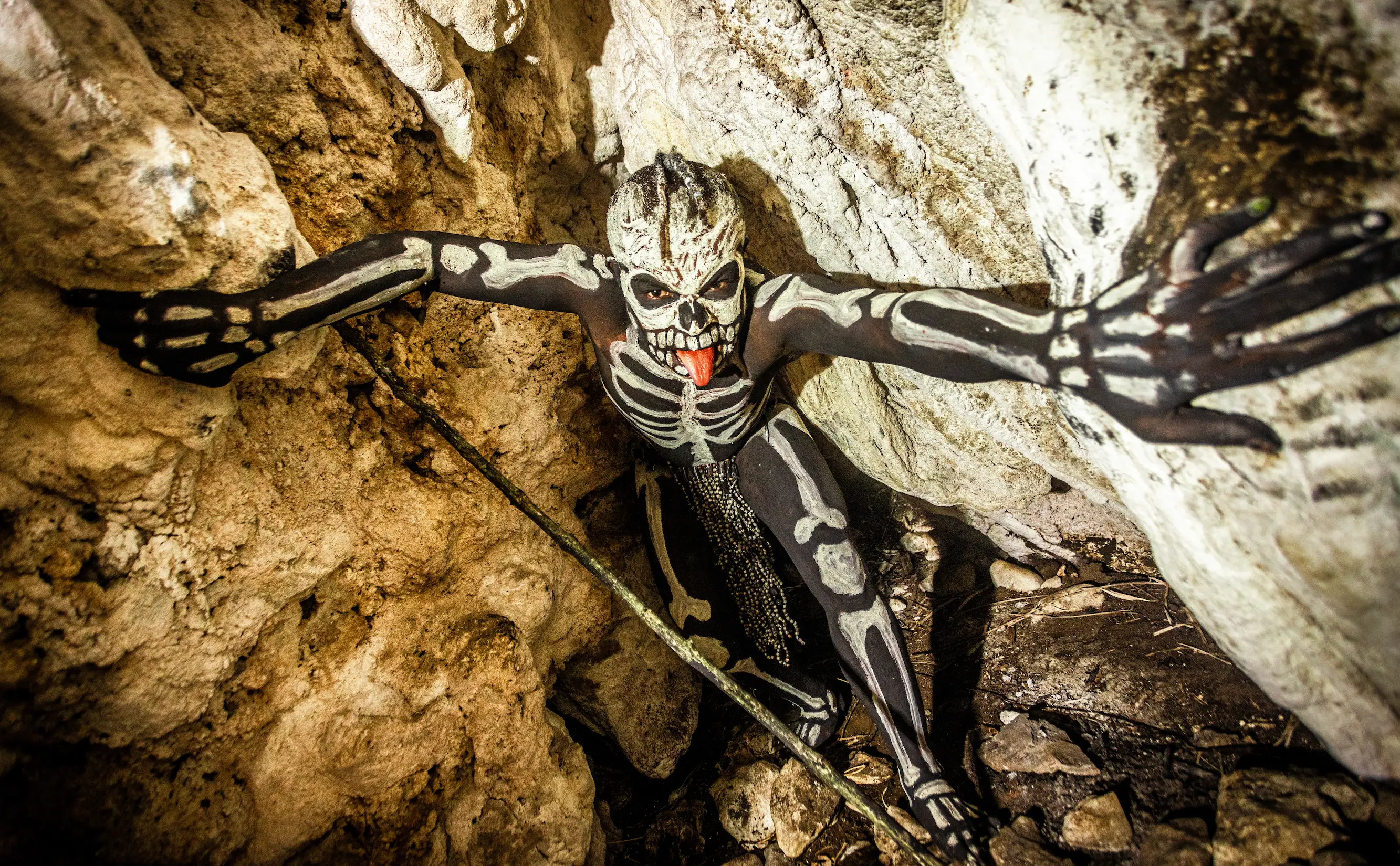
Human skeletons were scattered near the entrance. To get close without being spotted, the warriors covered their bodies in black ash and used clay to paint white bones onto their skin.
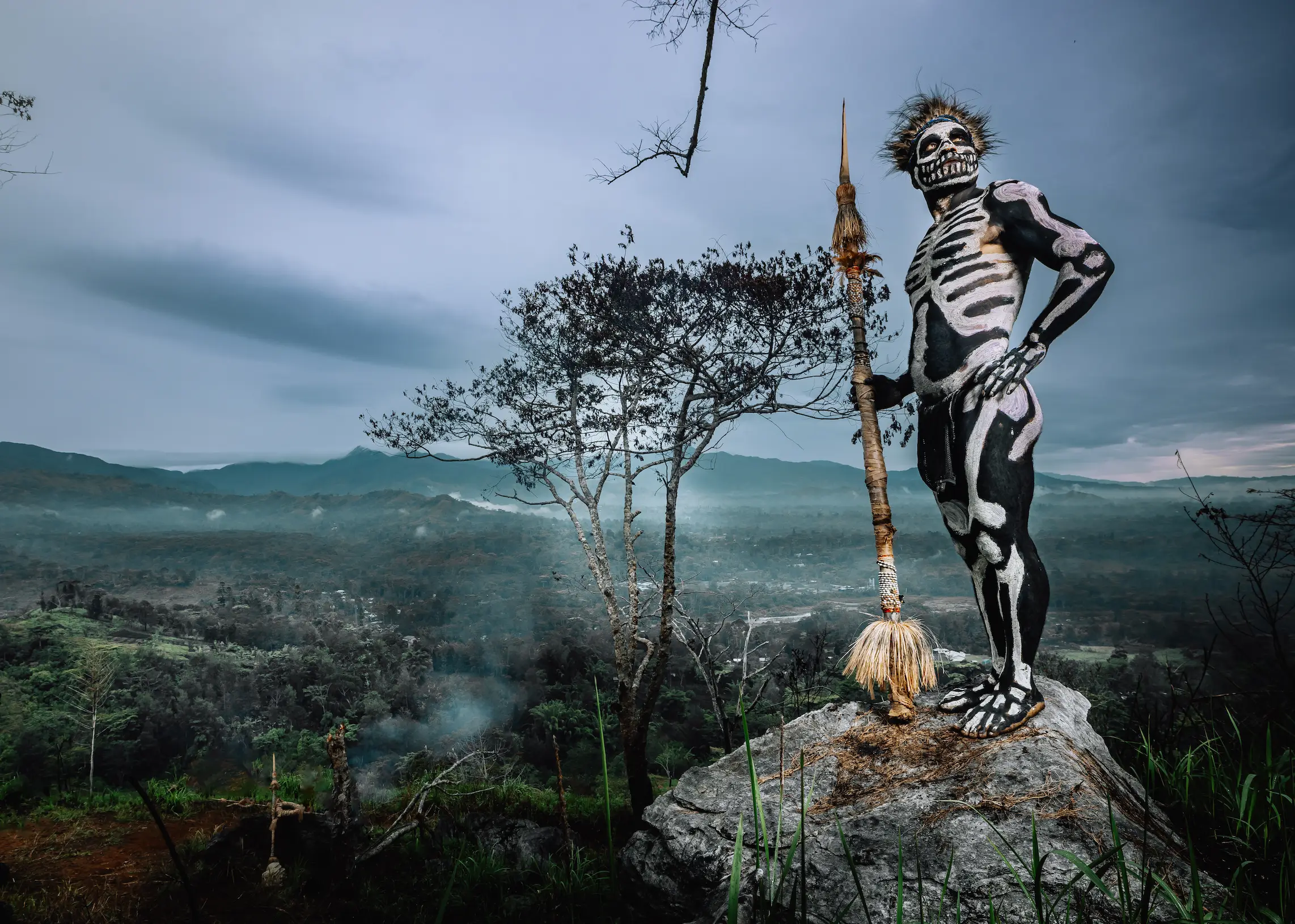
When the monster emerged, they rose from their hiding places, attacked by surprise and killed it before returning to their village.
Dennis said the paint is 'not simply a costume' but part of a performance that brings the legend back to life.
The story was handed down orally through generations, while the tribe's modern cultural performance began developing in the 1970s.
How did the Skeleton Tribe get its name?
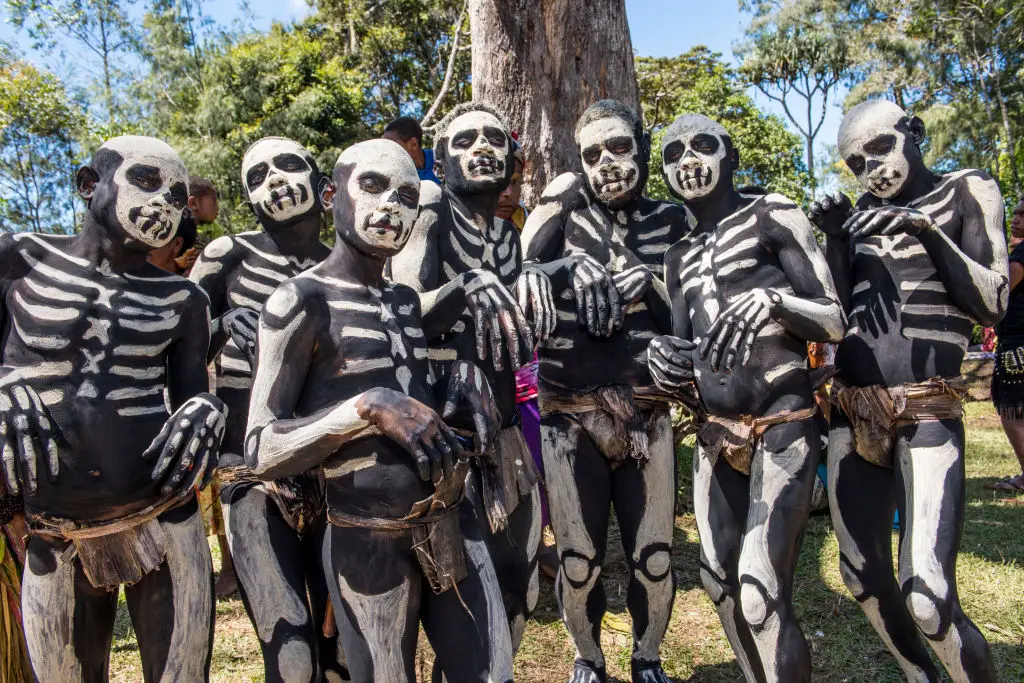
The name comes from the skeleton-like body paintings used to act out the legend. Dennis said the tribe's chief, Alphonse, told him his father and grandfather had painted relatively simple, rough representations of human bones onto their bodies.
That changed in the 1970s, when Alphonse obtained a medical book from missionaries that included an illustration of a human skeleton. After studying it, he began experimenting with more detailed, anatomically recognizable bone patterns and gradually refined them into the designs visitors see today. Around the same time, the first tourists began arriving to watch the performances.
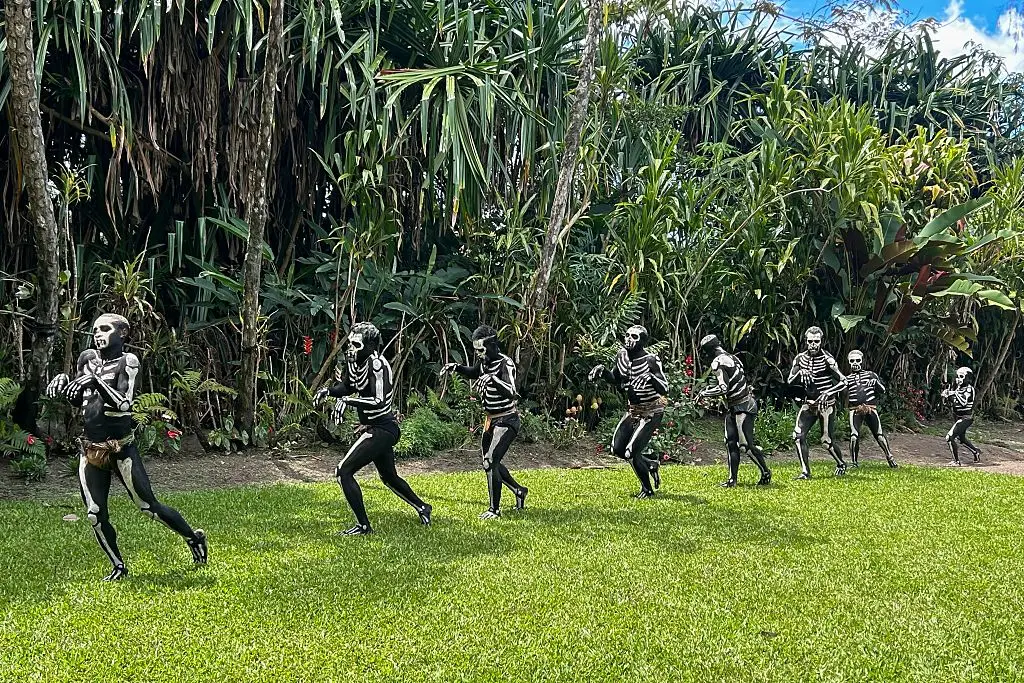
Dennis said the paintings became more detailed over time, but their purpose stayed the same: keeping the ancestral legend alive for future generations.
The cave tied to the story is still there, although Dennis said the human bones once found inside have disappeared. Local people told him they had been taken away over the years. During his second visit, he arranged a photography session inside the cave with tribe members in their black-and-white paint.
Can you visit the Skeleton Tribe in Papua New Guinea?
Dennis said that when he first visited, the community received perhaps 20 visitors a year. Together, they developed the Skeleton Tribe Eco Lodge so people could stay in the village. He said social media has since made the tribe increasingly famous, with many visitors hoping for photos or selfies.
A half-day visit includes the performance recreating the legend, while longer stays at the lodge offer the chance to learn how people make fire, prepare food, grow crops and use bows and arrows.
Dennis said four cultural eco-lodges have now been developed with local communities in the Highlands. He also wants to dispel two myths.
People do not wear traditional costumes and body paint every day, he said, as these are generally saved for occasions such as weddings, celebrations and festivals known as sing-sings.
Nor, he insisted, are the performances fake, saying many traditions existed long before tourists arrived and some were practised before Christian missionaries reached the communities.
 Thomas Bamford-Sidwell