unilad homepage
  • News
    • UK News
    • US News
    • World News
    • Crime
    • Health
    • Money
    • Sport
    • Travel
  • Film and TV
    • Netflix
  • Music
  • Tech
  • Features
  • Celebrity
  • Politics
  • Advertise
  • Terms
  • Privacy & Cookies
  • LADbible Group
  • LADbible
  • SPORTbible
  • GAMINGbible
  • Tyla
  • UNILAD Tech
  • FOODbible
  • License Our Content
  • About Us & Contact
  • Jobs
  • Latest
  • Archive
  • Topics A-Z
  • Authors
Facebook
Instagram
X
Threads
TikTok
YouTube
Submit Your Content
Shroud of Turin could actually be Jesus's burial cloth, new study finds

Home> News> World News

Published 17:21 22 Aug 2024 GMT+1

Shroud of Turin could actually be Jesus's burial cloth, new study finds

New findings say the Turin Shroud has likely existed since before Jesus Christ's death.

Dylan Murray

Dylan Murray

google discoverFollow us on Google Discover
Featured Image Credit: Bettmann / Contributor/Photo12/Universal Images Group via Getty Images
Dylan Murray
Dylan Murray

Advert

Advert

Advert

Seeing as it took place over 2,000 years ago, artifacts that can be traced to Jesus Christ’s life and death are scarce and fascinating to come by.

Similarly, due to how long ago Jesus walked the Earth, small details surrounding his death are often disputed in the modern day by believers and nonbelievers alike.

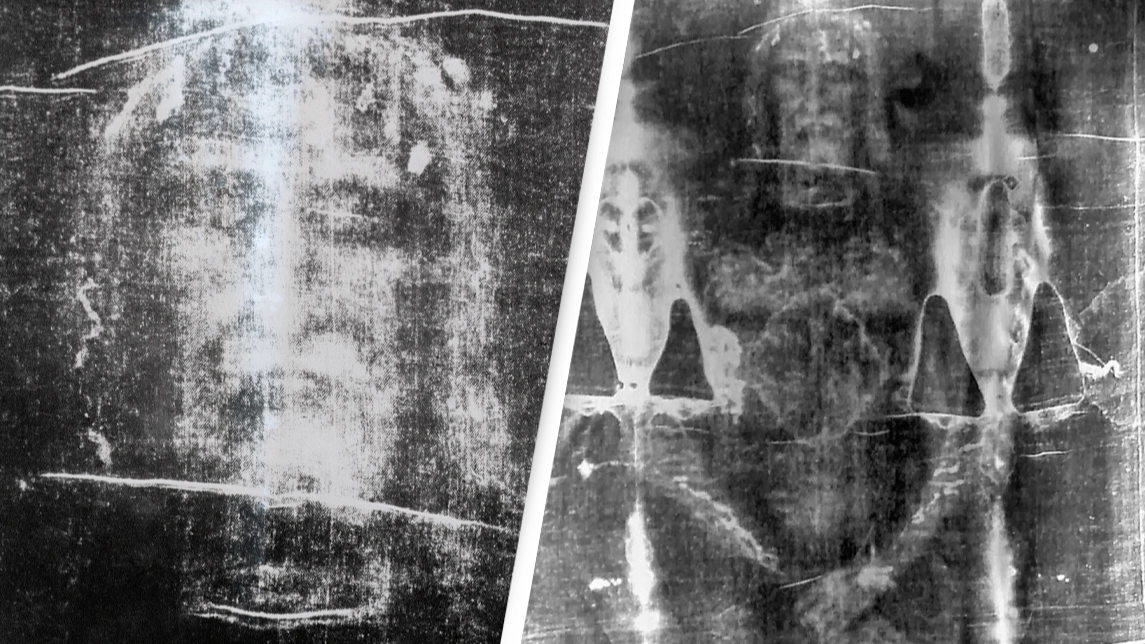
While these disputes come through in big and small ways, one of the most aggressively contested debates is whether the infamous Turin Shroud - currently on display at the Cathedral of St. John the Baptist in Turin, Italy - was the burial cloth of Jesus Christ when he died 2,000 years ago.

The shroud, which was first discovered in the late 14th century, has been subject to scrutiny since that initial discovery, with many believing that the theory Jesus Christ wore it was ridiculous and false.

Advert
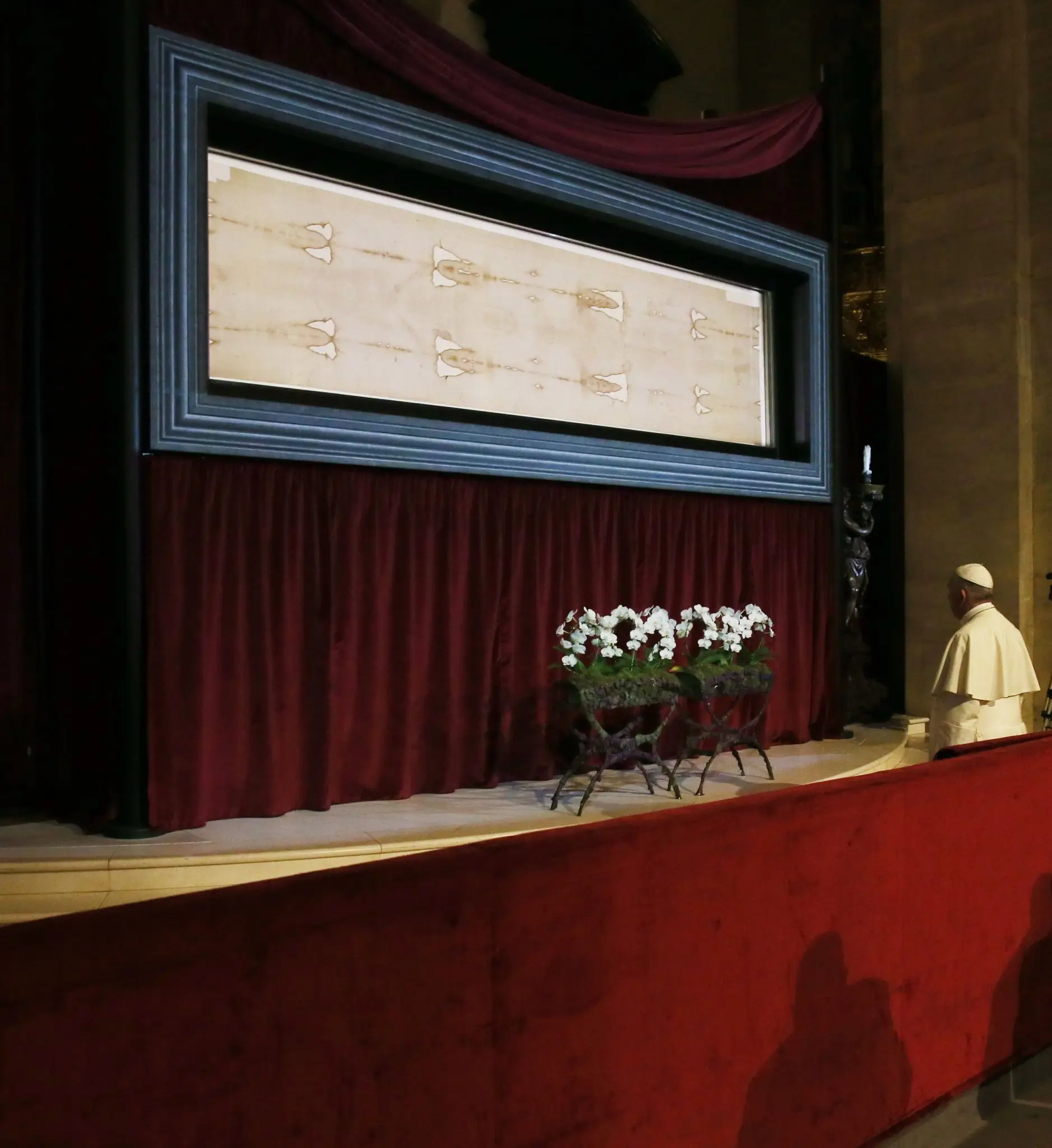
The Turin Shroud is currently being preserved at the Cathedral of St. John the Baptist in Turin, Italy. (Grzegorz Galazka/Archivio Grzegorz Galazka/Mondadori Portfolio via Getty Images)

Up until recently, many people even believed that the cloth was made during the Middle Ages, with previous studies placing its creation anywhere between 1260 and 1390 AD, centuries after the Common Era began.

However, a recent study has shown results that are contradictory to those of its predecessors.

The new study, which was published in Heritage, a public journal that covers heritage science, says that the Turin Shroud’s history would theoretically coincide with the theory that it was adorned by Jesus Christ two millennia ago.

The study utilized X-ray technology to identify that the majority of the cloth’s aging took place before its discovery by the church in 1390 AD, suggesting that it likely existed for far longer than a century before that point, as was suggested by previous studies.

Instead, the 2000-year mark was deemed to be more accurate, giving believers that the shroud was Jesus Christ’s burial cloth more standing scientifically.
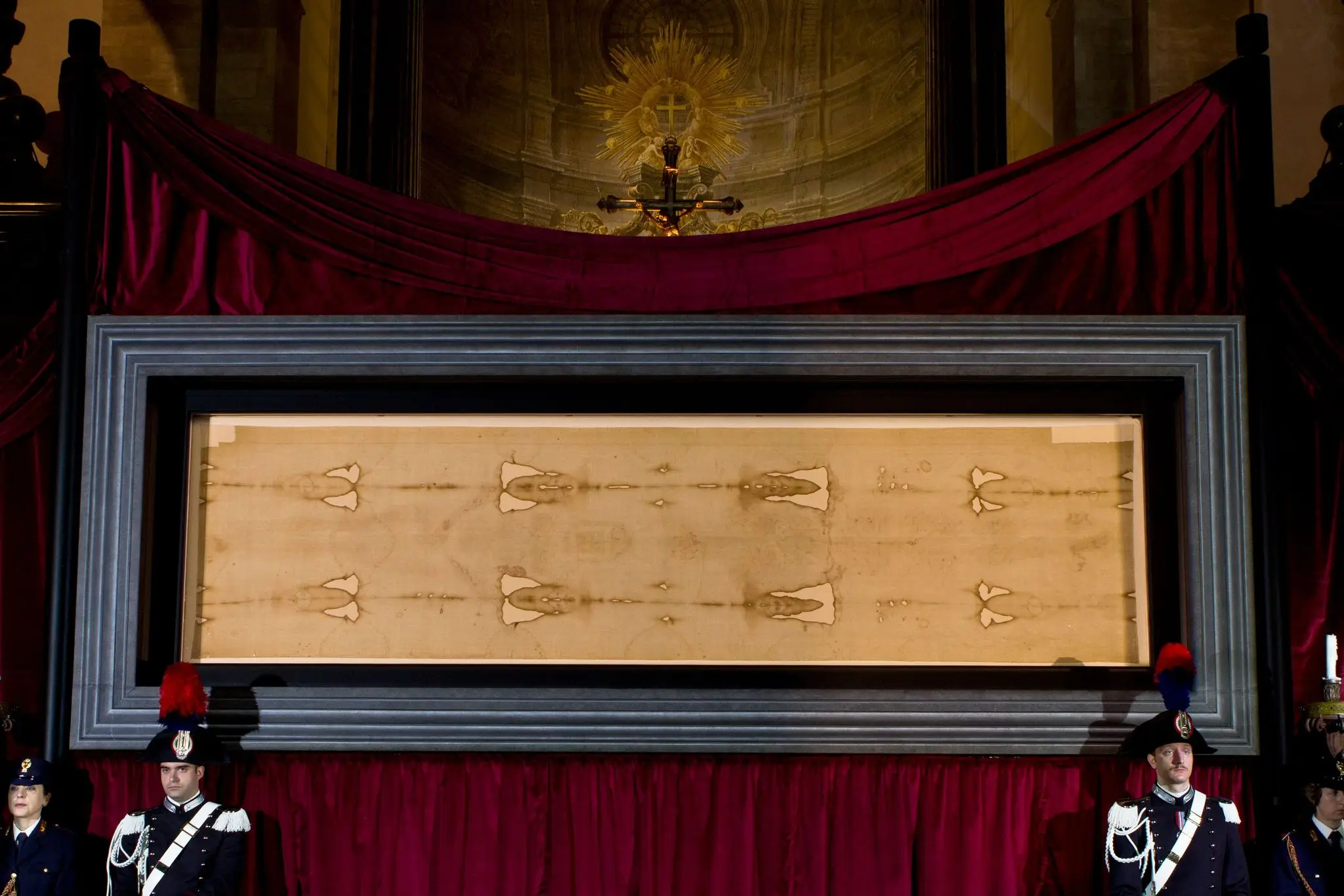
The Turin Shroud is believed by many to be the death cloth of Jesus Christ. (Marco Destefanis/Pacific Press/LightRocket via Getty Images)

However, the study does admit that they cannot say without a shadow of a doubt that the shroud’s timeline matches up with Jesus Christ’s death, noting that there are a few caveats to their findings.

Most notably, due to not knowing what could’ve happened to the cloth throughout the centuries before it was discovered and preserved by the church in 1390 AD. Most importantly, whether or not the cloth was kept at roughly 22C and with an average humidity of 55 percent for the 1300 years prior to its discovery would make or break the study’s findings.

To identify whether that was the case, the researchers would need a larger sample of the cloth than the 0.5 mm × 1 mm sample they used in this study.

The study itself concluded: “A more accurate and systematic X-ray investigation of more samples taken from the TS fabric would be mandatory to confirm the conclusions of our study."

  • New study finds this specific way of cooking could actually be shortening your life
  • New study finds millions of people could have aggressive deadly disease without even knowing
  • Study warns of surprising impact Ozempic could have on married couples
  • Study finds doing this one thing whilst sleeping could be a sign of a dangerous health condition

Choose your content:

9 hours ago
10 hours ago
11 hours ago
  • Getty Stock Images
    9 hours ago

    Baby born at 22 weeks makes history as hospital’s youngest survivor

    Baby Talia’s mum called her 129-day NICU journey a 'testimony of faith, hope & miracles'

    News
  • Instagram/@astro_christina
    10 hours ago

    Artemis II astronaut shows off surprising impact of 10 days in space as she struggles to walk in video update

    Christina Koch is still recovering from the Artemis II mission, which took the crew further into space than any human has ever been

    News
  • Getty stock image
    10 hours ago

    Cruise ship doctor explains onboard 'bread and butter' illness

    The doctor took to Reddit to answer questions about their role on a cruise ship

    News
  • Facebook/Volo Museum
    11 hours ago

    Titanic exhibit floods on anniversary of sinking, sparking 'paranormal' rumor

    The Volo Museum got a surprise on April 15 at its Chicago location

    News