Groundbreaking study finds these two simple supplements could fight brain cancer

Researchers suggest that mixing two common supplements could help fight off one of the deadliest forms of brain cancer. Here’s everything you need to know.
According to a study published by the Council for Responsible Nutrition (CRN), around three-quarters of all Americans take dietary supplements, with some of the most popular being magnesium, vitamin C, calcium, and iron.
The industry, which was estimated to be worth $189.23 billion in 2024, is projected to be a sizeable $402.20bn by the time 2034 swings around.
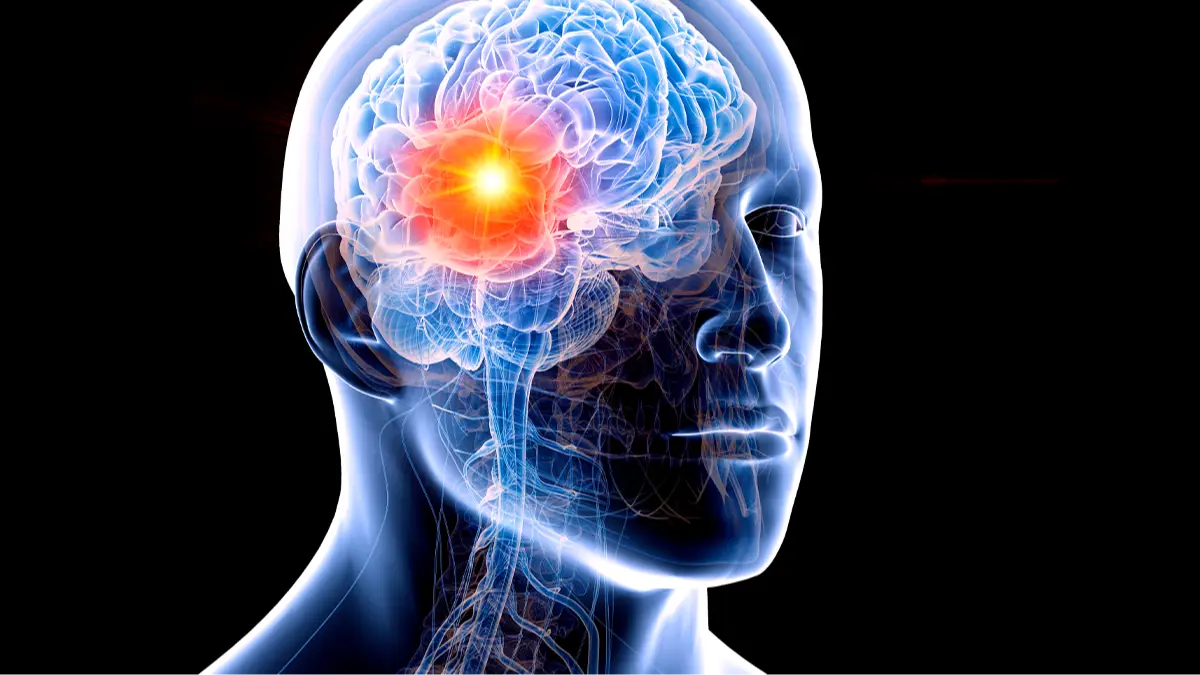
It turns out two supplements that people take to support energy production, immune function, and for heart-protective effects may work together to beat glioblastoma (GBM), the most common type of primary brain tumour.
Advert
Experts at the Glioblastoma Research Organisation say that the median survival rate for those diagnosed with GBM is just 14.6 months, making it a devastating and aggressive.
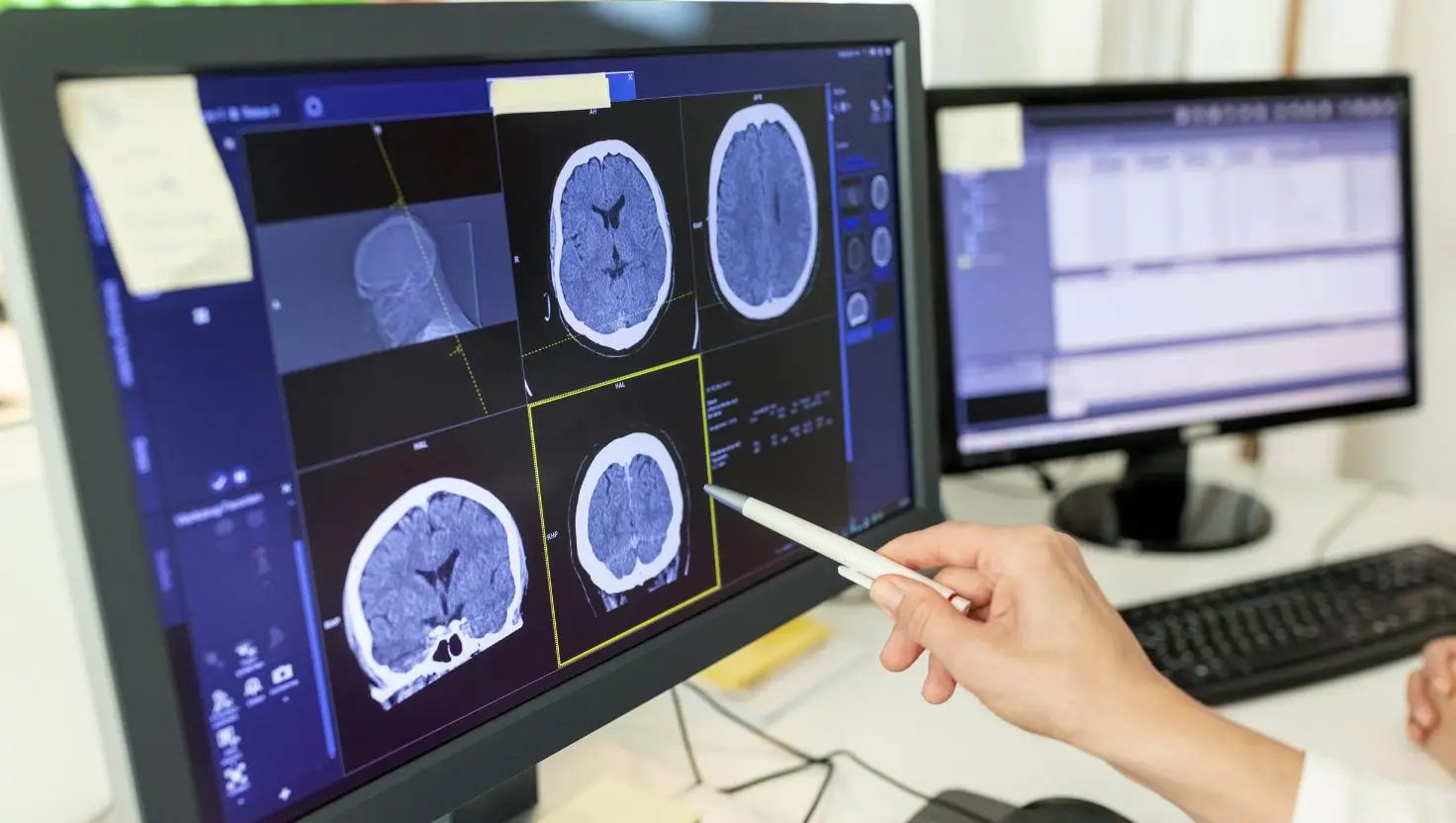
But scientists at the Advanced Center for Treatment, Research and Education in Cancer (ACTREC) in Mumbai, India, believe that combining two supplements together can ‘dramatically weaken’ GBM.
The New York Post reported that this research challenges the long-held belief that cancer must be attacked rather than healed.
Published in BJC Reports, the study saw scientists gathering 20 GBM patients who were already scheduled for brain surgery, asking half of them to take a concoction of copper and resveratrol.
Doctors collected tumor tissue from all participants, including the 10 who received no supplements.
After studying the tissue, the researchers observed significant changes in the treated tumours, including the near-complete eradication of DNA fragments that trigger inflammation.

Sharp reductions in several markers of tumor aggressiveness, cancer biomarkers, and immune-checkpoint signals were also present in the findings.
“These results suggest that a simple, inexpensive, and non-toxic nutraceutical tablet potentially has the power to heal glioblastoma," said Dr. Indraneel Mittra, a researcher and professor at ACTREC, in a statement.
“We have been trying to kill cancer cells for 2,500 years, since the time of the ancient Greeks, without success,” she continued. “Maybe it is time to look at cancer treatment differently and work toward healing tumors rather than annihilating them.
“I believe we may be on the brink of transforming the way cancer is treated.”
Despite the success of the copper-resveratrol cocktail, the experts have noted several limitations of the study.
Firstly, the study’s sample size was too small.
Secondly, it was limited to short-term effects, with a longer period of time needed to prove that the supplements could be a so-called ‘miracle cure’.
“The public should understand that ours is only a first step, and our findings are based on a relatively small number of patients, which needs replication in larger patient cohorts,” Mittra said.
The public health researcher warned supplement takers not to immediately add copper and resveratrol to their diet, however.
“There may be minimal benefit unless the controlled formulation we designed for our study is used,” he explained.
In a statement, ACTREC has said that the tablets are ‘not a substitute for established cancer treatments like surgery, radiotherapy, chemotherapy, hormone therapy and targeted therapy’.
“[These] have been conclusively proven to provide benefits and result in cures in a substantial proportion of patients,” it added.
Topics: Cancer, India, Science, World News, Health
 Ella Scott