
Nipah virus expert shares truth on whether it could be next Covid as virus has concerning fatality rate

A Nipah virus expert has weighed in on whether the disease could become another Covid-style pandemic, as airports begin screening travelers following reported cases in India.
If you'd never heard of the Nipah virus before, then chances are you have now.
Airports in Thailand, Taiwan and Nepal have begun screening for the disease after cases were reported in West Bengal, India.
The Indian government initially disclosed five known cases of Nipah virus, but after further testing clarified the total number was actually two.
Advert
It is believed that two nurses on duty at a private hospital together in late December both fell unwell and were admitted to intensive care in early January.
One was reportedly in critical condition.
Nipah virus is a deadly disease that is typically transmitted from bats to humans - so it's a zoonotic disease similar to the coronavirus.
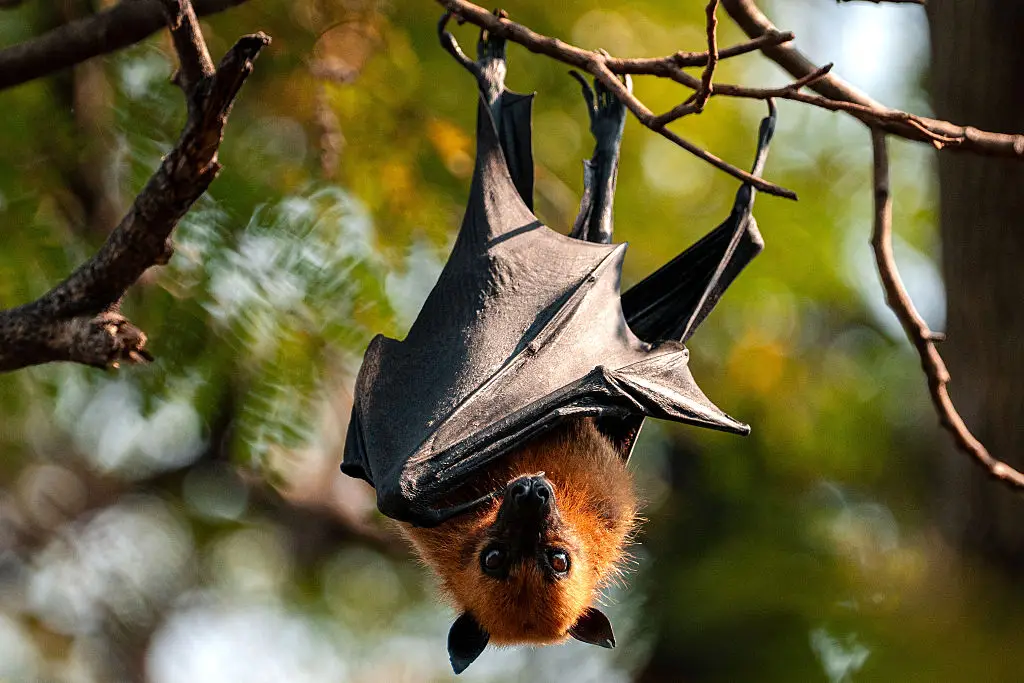
In parts of India and Bangladesh, 'spillover' infections are most commonly linked to people drinking raw date palm sap.
The seasonal delicacy is collected from trees in winter and usually drank during the coldest months, but can become contaminated by bats.
Doctor Emily Gurley, Professor of Epidemiology of Infectious Diseases at Johns Hopkins University, told UNILAD: "The colder the winter, the more spillovers typically occur."
Nipah virus typically can cause a sudden on-set of flu-like symptoms, including a fever, headache, muscle pain and fatigue.
In severe cases, the virus can affect the brain and lungs, leading to death.
What's even more concerning is that there are currently no cures or medications to treat Nipah virus.
Dr Gurley adds that the fatality rate in patients who contract the disease from bats is 90 percent, while human-to-human transmission carries a fatality rate of between 40 and 50 percent.
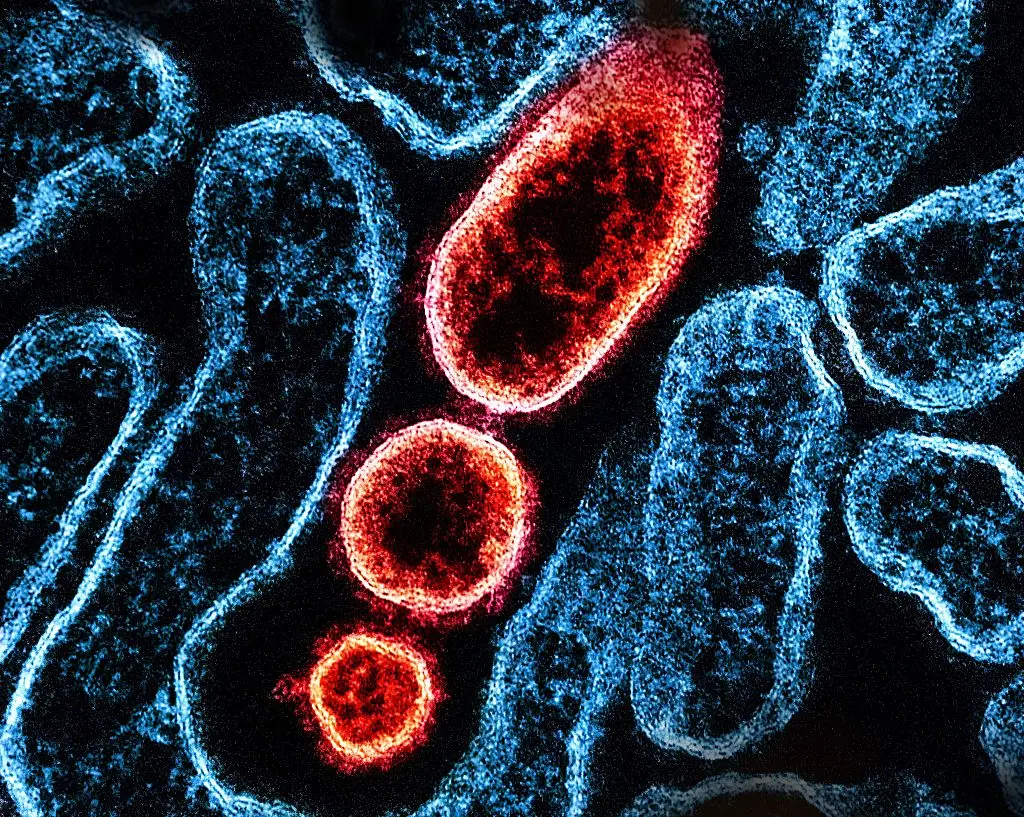
Dr Gurley, who serves on the World Health Organization’s Nipah Virus Taskforce, told UNILAD that despite the concern, the virus is very unlikely to cause a global pandemic.
“If this is like past Nipah outbreaks, then no - the virus just isn’t very transmissible,” she said.
Since Nipah was first identified in 1998, data shows that on average each infected person passes the virus to just 0.3 other people, Dr Gurley added.
"In most cases, patients don’t infect anyone else at all."

In comparison, the estimated infection rate for coronavirus in the US is between 0.95 and 1.43, the CDC reports.
“Sometimes you do see variation, where one person infects multiple others, and that’s when larger outbreaks happen,” she explains. “But typically it returns to the average, and the outbreak ends. That’s what we’ve always seen.”
However Dr Gurley notes there could be an exception to the rule: "[That is] unless there's something very different about this virus that makes it more transmissible."
But she concluded that we 'don't have any evidence that that's true for now,' adding: "What we've observed is not outside of the ordinary, but again, it's something that we should pay close attention to."
Topics: Health, World News, India
 Ellie Kemp