
Safest place to be in case of drone strike as CIA reveals three tourist hotspots Russia is targeting

Anyone traveling to Spain, France or Italy in the coming months may want to take note of official guidance on what to do if a drone strike happens nearby.
It comes after a reported CIA intelligence assessment named the three countries as potential targets in a Russian drone operation, according to Spanish newspaper El Mundo.
The claims have not been independently verified, but they've already caused concern among European governments, with Lithuania's Ministry of Defence reportedly among those briefed on the alleged plans.
A source close to Lithuania's Ministry of Defence told El Mundo that drones could reportedly be launched from ships in the Mediterranean, allowing them to reach targets without crossing a land border.
Advert
Officials reportedly believe they could be used to start fires, damage infrastructure or force the temporary closure of a port or airport.
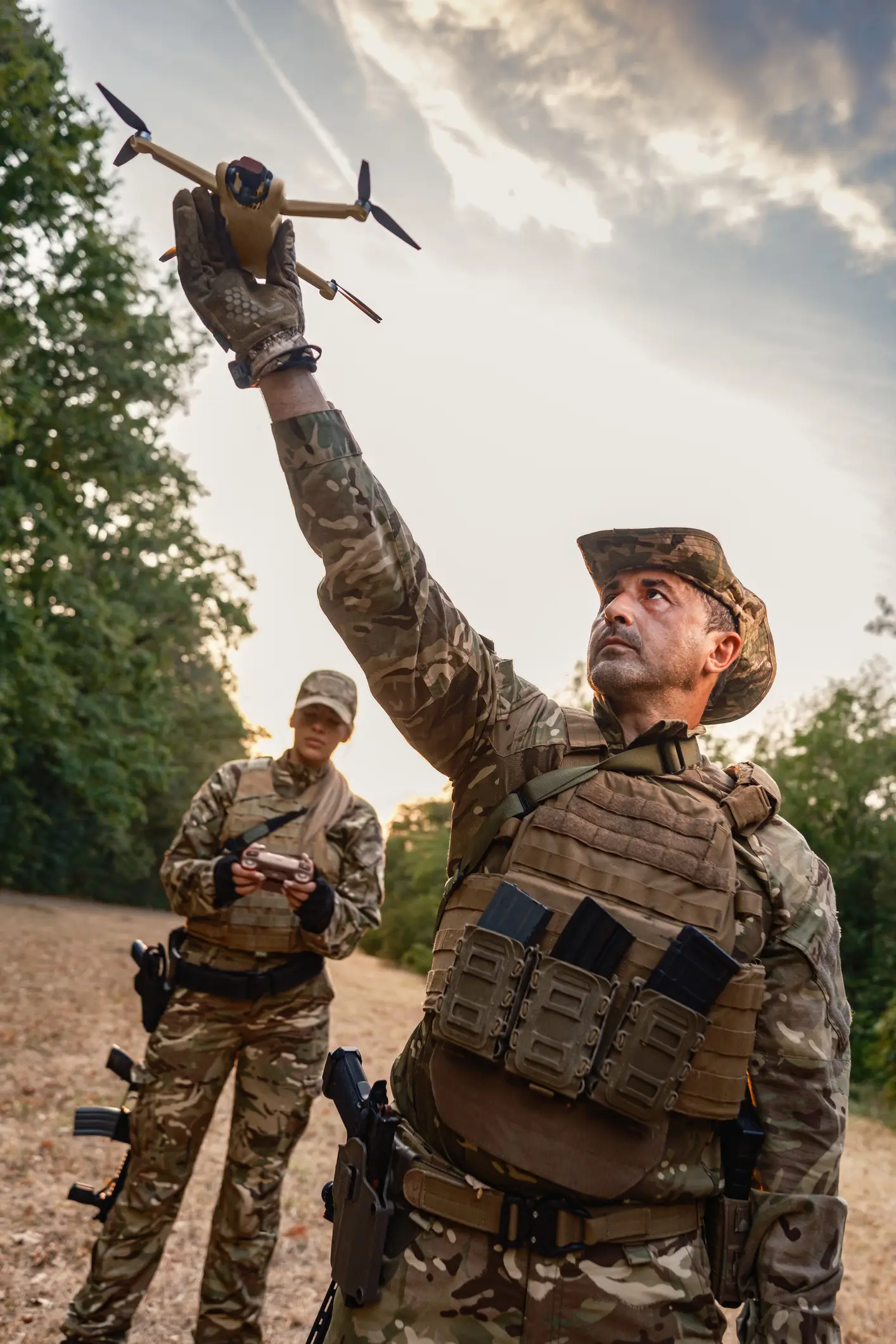
Where is the safest place to shelter during a drone strike?
According to World Health Organisation's guidance on protection from aerial attacks, the safest places to shelter are underground, in basements or in subway tunnels, ideally near walls with no windows or glass.
People should avoid leaning directly against a solid wall, since the shockwave from a blast can cause injury even without contact.
Anyone caught outside should head for the nearest building, and if no underground option is available, the lowest part of that building is the next safest, away from windows.
If no building is nearby, the WHO advises finding the lowest area of ground, such as a ditch, and lying flat on the face with the head covered by the arms, since debris from an explosion tends to travel upward.
Covering exposed skin with any non-flammable material, closing the eyes to keep out debris, and keeping the mouth slightly open to protect the lungs from blast pressure are also recommended.
The guidance suggests identifying the safest room in the home in advance, usually a windowless, solidly built space such as a bathroom, and keeping water, food and an emergency plan ready.
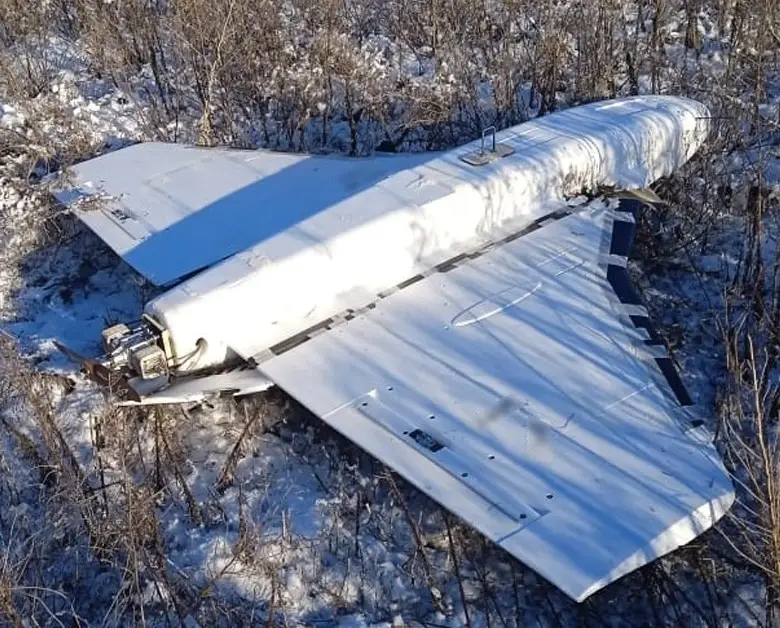
The device at the centre of the warning is the Gerbera, a small drone that has become a regular feature of Russia's war in Ukraine.
Per the alleged assessment, it can carry an explosive payload of around four to five kilograms, has a range of up to 600 kilometers (372 miles), and can travel at roughly 160 kilometers per hour (99 mph).
The timing has raised questions about motive.
Spain, France and Italy are all due to hold elections or political campaigns in 2027, and El Mundo noted that public opposition to continued support for Ukraine in those countries could give Russia an opening to exploit discontent. The report also linked the alleged warning to CIA Director John Ratcliffe's visit to Moscow in late August.
 Thomas Bamford