‘He grabbed me by the hair and dragged me towards a pool of water’: Woman who claims she lived with monkeys recalls the extraordinary moment one saved her life

A woman who claims she spent years living among monkeys in the Colombian rainforest has recalled the extraordinary moment one animal appeared to save her life after she became seriously ill.
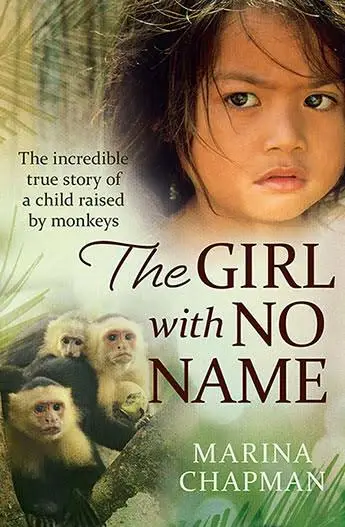
Marina Chapman, who says she was kidnapped as a young child and abandoned in the jungle, has previously described how she learned to survive by observing a troop of capuchin monkeys.
In her 2013 memoir, The Girl With No Name, co-written with her daughter, Marina recounts how she gradually adapted to life in the rainforest, learning to find food, climb trees and recognise the animals' different calls.
Advert
But one particularly remarkable memory involves an older monkey she named Grandpa, who she believes came to her rescue when she became desperately ill after eating poisonous berries.
Speaking to UNILAD, Marina recalled how she had been lying on the ground, feeling as though she was dying, when the animal approached her.
She said: "One time, I became very ill after eating some berries. I'd been watching the monkeys eat fruit and assumed the berries were safe.
"They were sweet and tasted delicious, so I ate far too many.
"A few hours later I felt terrible. Everything was spinning and I thought I was dying.
"I lay on the ground unable to move. That's when Grandpa approached me."
Marina explained that the older monkey grabbed her by the hair and dragged her away.
Initially, she was frightened by what was happening, but the encounter soon took an unexpected turn.
She continued: "He stared at me for a while, then grabbed my hair and dragged me towards a pool of water.
"At first I was frightened. He pushed my head towards the water several times and I struggled to breathe. Then I started vomiting. I was sick repeatedly, and afterwards I felt dramatically better.
"At the time, I didn't understand what he was doing. Looking back, it felt as though he somehow knew I needed to get the poison out of my system. That experience always stayed with me."
It was one of several encounters that Marina says shaped her relationship with the monkeys, who gradually became her companions during an otherwise lonely childhood.
Marina claims she was around four or five when she was taken from her home in Colombia.
Recalling the alleged kidnapping, she said: "I remember playing with other children in a garden when someone came up behind me and covered my face. There was a very strong smell and I suddenly felt incredibly sleepy.
"I could hear children crying behind me, but I couldn't move or do anything."
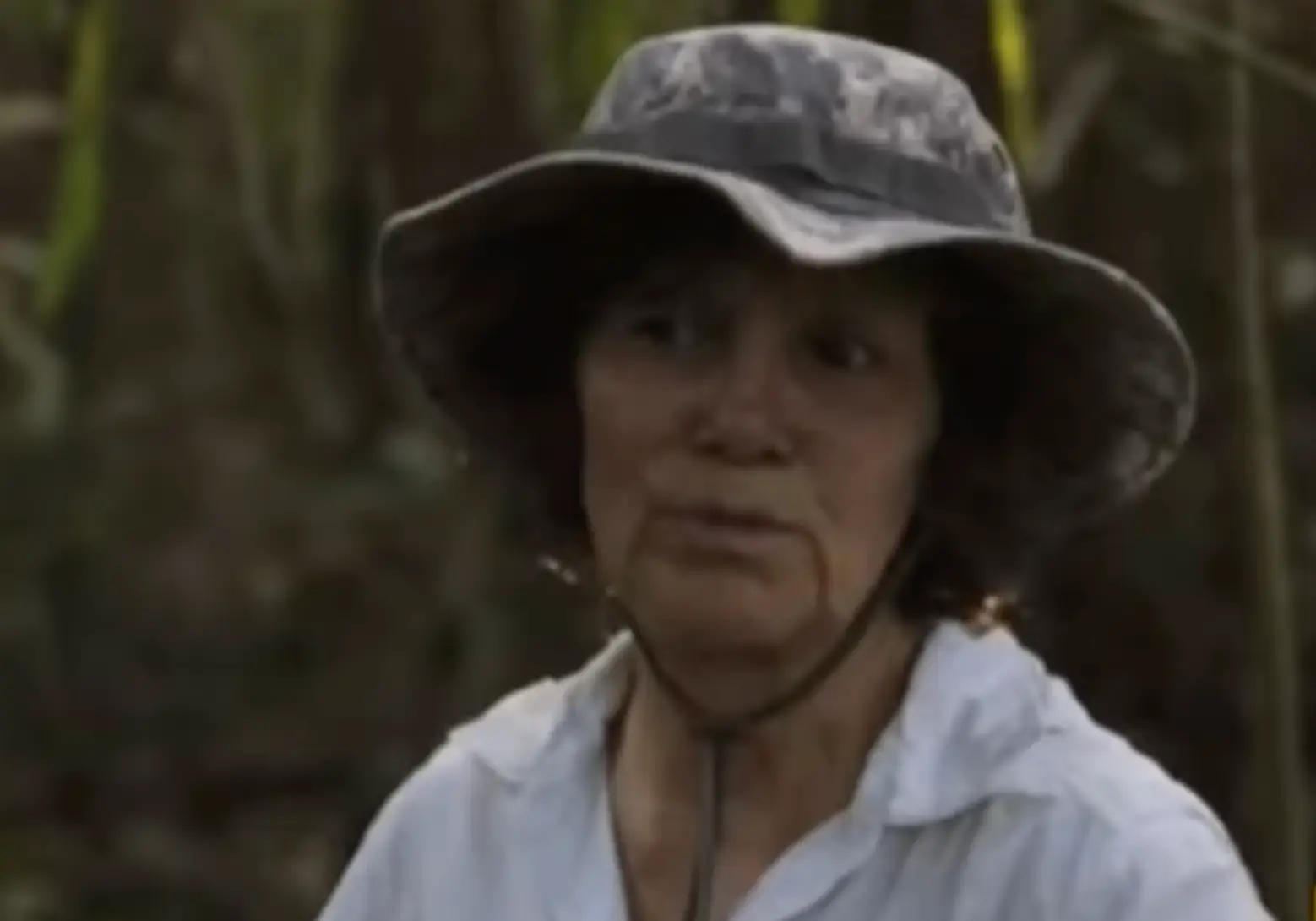
She remembers waking up in the rainforest, surrounded by unfamiliar noises and unable to see clearly.
"It was very dark and very noisy," she said. "There were lots of animals around and I was terrified. I had no idea what to do. I couldn't see anything.
"I was hoping the two men who had taken me away would come back for me, or that somebody would find me."
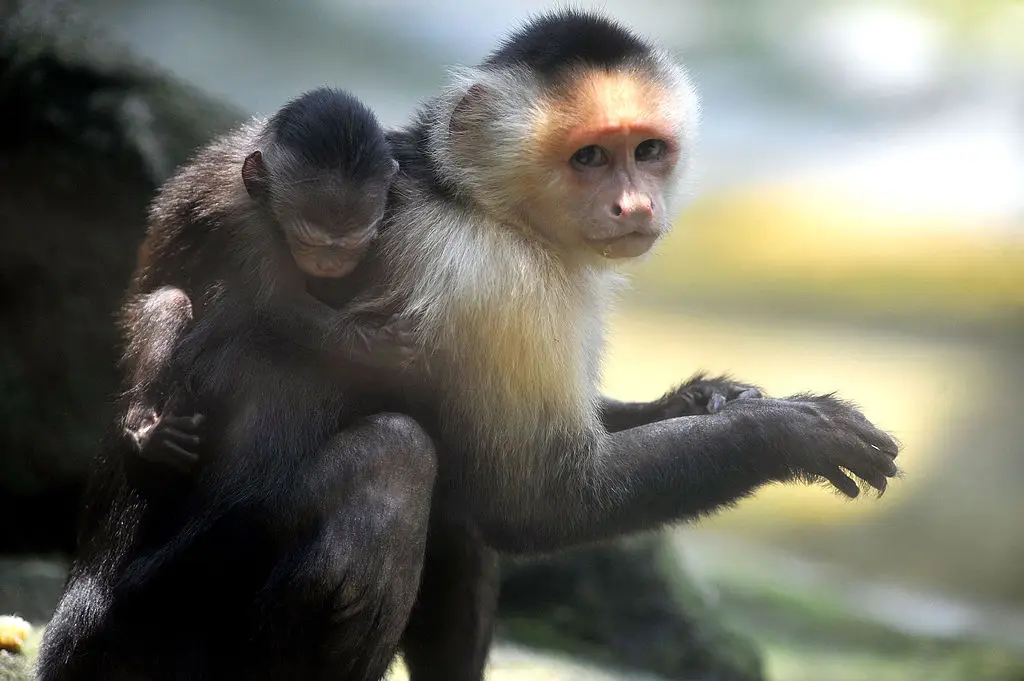
Marina says she eventually encountered a troop of capuchins, initially keeping her distance from the animals before gradually becoming more comfortable in their company.
She recalled how one monkey first approached her and began examining her face and hair. "Although it was quite small, it was surprisingly strong," she said.
"I wasn't frightened. In fact, I felt a little comforted because I'd been alone for so long. As a child, I'd always loved animals. They didn't harm me. They simply watched me."
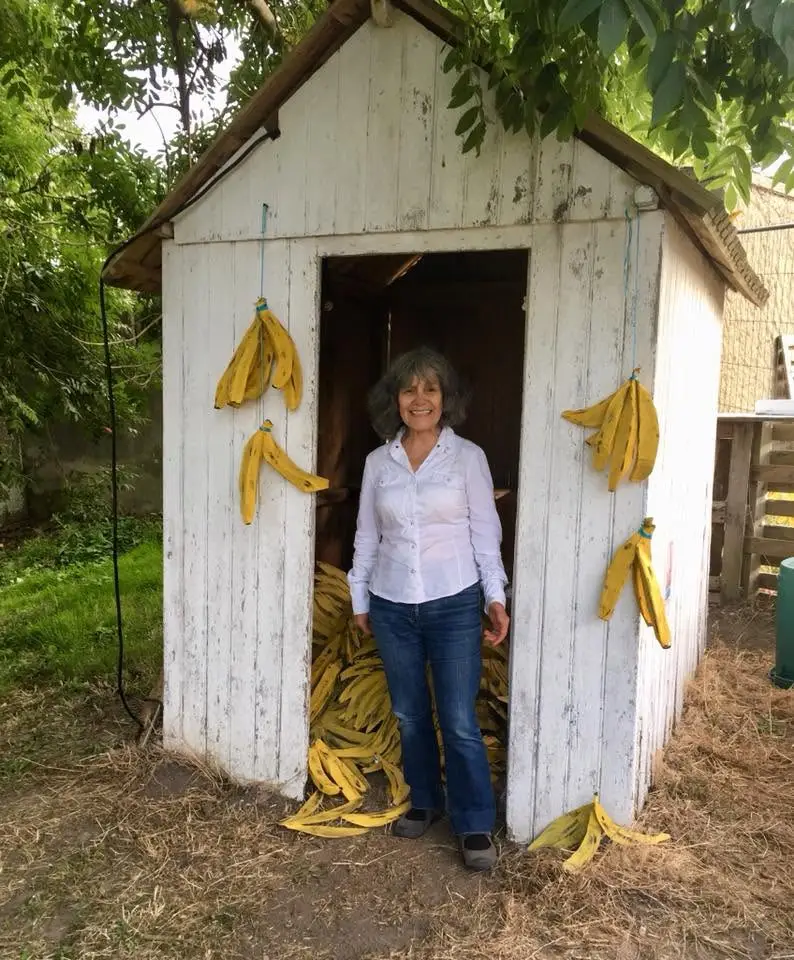
Hunger was one of her biggest challenges, and she remembers being overjoyed when the monkeys dropped pieces of fruit.
"Sometimes the monkeys would drop bananas and I'd quickly pick them up and eat them. To me, that felt like a feast."
She also says she discovered a nearby community of indigenous people, eventually realising that the monkeys were stealing fruit from them when they went to sleep.
Marina would watch the animals carefully, gradually learning where to find food and how to behave around them.
One of the most significant developments, she recalls, came when a younger monkey climbed onto her shoulder and began playing with her hair.
"That's when I realised they were grooming me," she explained.
"I had small insects around my ears and in my hair, and the monkeys would remove and eat them. As strange as it sounds, they were helping me."
The grooming became an important source of comfort, with Marina describing how the animals would sit beside her and spend time picking through her hair.
She also began recognising their different calls, learning which sounds indicated danger, food or the presence of another animal.
"I became familiar with their different calls," she said.
"Over time, I realised certain sounds meant danger, while others meant food or that another animal was nearby."
Marina says she gradually became more confident climbing trees, copying the monkeys' movements and even learning how they constructed shelters from branches.
However, life in the rainforest was far from easy.
She remembers insects crawling into her ears and nose while she slept, and admits she frequently fell from trees while trying to find somewhere comfortable to rest.
"I wasn't very good at sleeping in trees," she said. "I often fell and hurt myself."
Despite the difficulties, Marina says she eventually became so accustomed to her surroundings that she began to lose her grasp of human language.
Asked how long she believes she spent in the jungle, she admitted that even she cannot be certain.
"I was close to being a teenager when I was found, so we estimate it was around nine years, perhaps ten.
"Medical experts examined indicators such as my hair growth and development, but nobody can be certain."
Her recollection of the time spent with the animals is complicated by the different accounts of the duration of her alleged jungle childhood, with her memoir and subsequent reports offering varying estimates.
Eventually, Marina says hunters found her and took her away from the forest.
Far from being relieved, however, she remembers feeling devastated at having to leave the only world she had known.
"I actually miss the jungle," she said. "When hunters eventually took me away, I was devastated. I know that probably sounds strange, but by then the jungle was all I knew.
"I remember being put into a vehicle and being forced to stay seated. I felt trapped and frightened.
"Part of me wanted to escape and go back."
Her return to human society presented a completely different set of challenges.
Marina says she struggled with everyday activities that other people would take for granted, including opening doors, sitting at a table and using cutlery.
"I didn't know how to behave in human society anymore," she explained. "Learning those things was very difficult.
"People often stared at me or made fun of me because I behaved differently."
Her memoir also describes a deeply difficult period after leaving the jungle, during which she claims she was taken into prostitution before eventually escaping and finding safety with a woman who helped her rebuild her life.
Eventually, Marina made her way to England, initially expecting her stay to last just three months.
She said that she travelled with a Colombian family for whom she worked, helping to look after their children.
"I never imagined I'd end up staying," she said.
But while in England, she met her future husband, John Chapman, and the pair went on to build a life together in West Yorkshire.
Marina says she has now been married for nearly 50 years. "I've lost count, if I'm honest!" she joked.
The couple went on to raise two daughters, and although Marina adapted to life in England, she says some of the habits she developed in the jungle never completely disappeared.
Her love of animals and the outdoors remained, with her family previously describing her enthusiasm for climbing trees and making monkey noises.
When asked what she still misses most about her unusual childhood, Marina's answer was revealing.
"I miss the honesty of animals," she said. "With animals, you generally know where you stand. People can be difficult to understand sometimes, but animals are straightforward. Their behaviour makes sense."
Marina's extraordinary account has attracted significant public attention since the publication of her memoir, although aspects of her story have also been questioned by researchers and journalists.
Nevertheless, for Marina, the memories of her time in the rainforest remain deeply happy memories for her.
Topics: Animals, Life, World News
 Thomas Bamford